Introduction
Feeling energetic throughout the day depends on several factors, and the food we eat is one of them. Our bodies need fuel to move, think, work, exercise, and carry out essential internal processes. The quality and combination of foods in our meals can influence how well our bodies meet these demands.
A nourishing eating pattern does not depend on one special food or drink. Instead, it involves getting a useful mixture of carbohydrates, protein, fats, vitamins, minerals, and fluids from different sources.
How Food Supplies Energy
After we eat, digestion breaks food into smaller components that the body can absorb and use. Carbohydrates, fats, and proteins each have distinct nutritional functions.
Carbohydrates can provide readily available fuel for daily activities. Fat contains a high amount of energy and also has important structural and regulatory functions. Protein is primarily needed for building and maintaining body structures, while the body can draw on it as a fuel source under certain conditions.
The body constantly adjusts the way it uses these nutrients according to factors such as activity, food intake, and energy requirements.
1. Select Fiber-Rich Carbohydrate Sources
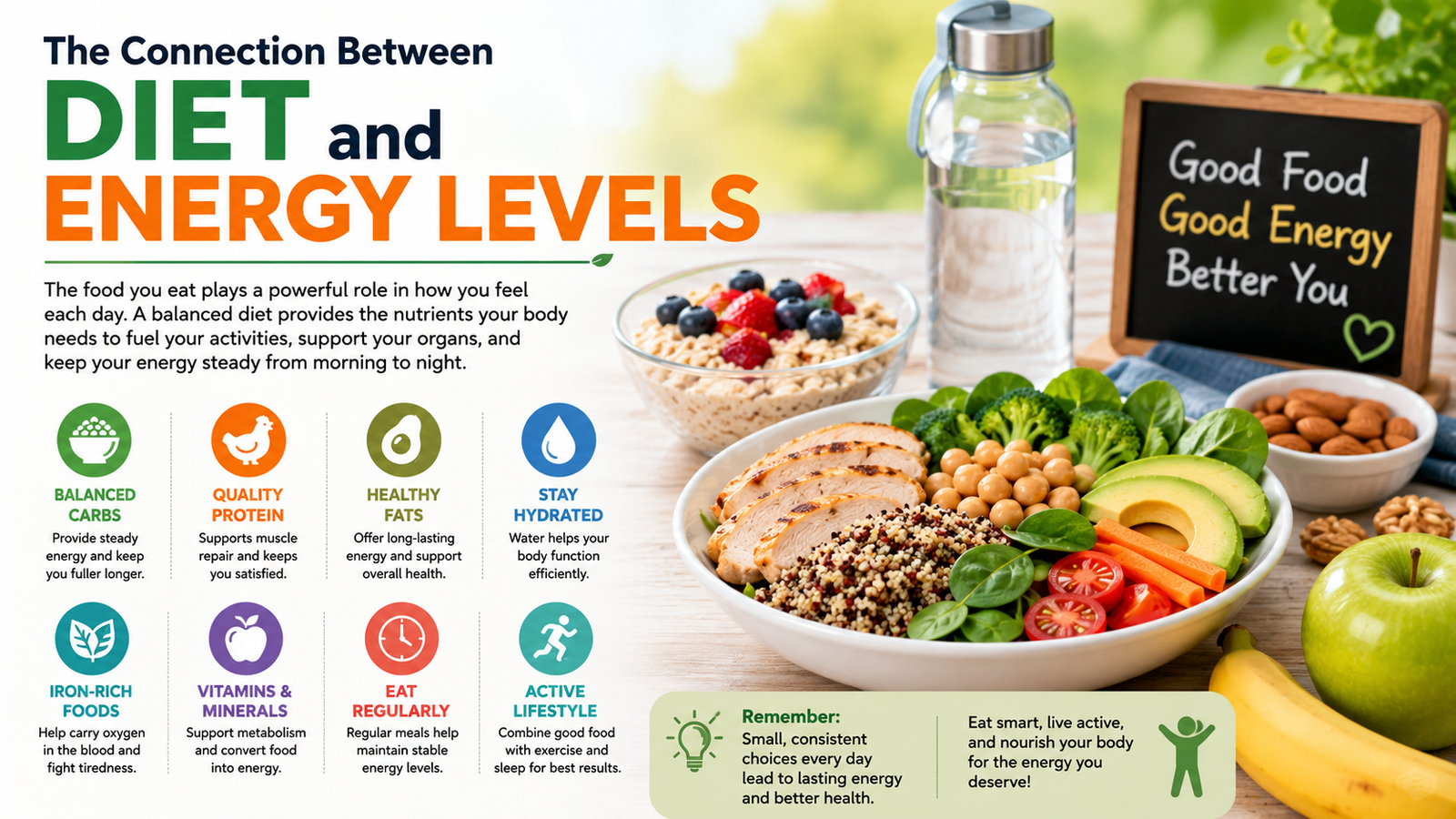
Carbohydrates are found in many foods, but their nutritional value can differ considerably. Oats, beans, lentils, whole grains, vegetables, and fruits can provide carbohydrates along with fiber and other nutrients.
Fiber generally takes longer to digest than highly refined carbohydrates. Including fiber-rich choices in meals may therefore help with fullness and contribute to a more consistent eating pattern.
2. Add a Suitable Protein Source
Protein contributes to the upkeep of muscles and other body structures and helps make meals more satisfying. Eggs, lentils, beans, yogurt, fish, tofu, poultry, and nuts are examples of foods that can contribute protein.
Pairing a protein-rich food with vegetables and a carbohydrate source can create a more nutritionally varied meal.
3. Include Beneficial Sources of Fat
Fat is an important dietary nutrient and serves as a concentrated source of fuel. It also assists with the absorption of vitamins that dissolve in fat.
Nuts, seeds, avocados, olives, and certain plant-based oils can supply unsaturated fats. Including suitable portions of these foods can add both nutrition and variety to everyday meals.
4. Build Meals With Different Nutrient Sources
Instead of filling your plate with only one type of food, combine several food groups whenever possible. For example, a meal could contain vegetables, a grain or other carbohydrate source, a protein-rich food, and a small portion of healthy fat.
Such combinations can increase the range of nutrients available from a single meal and make the meal more satisfying.
5. Keep Fluids in Your Daily Routine
Water is essential for normal body functions, and inadequate fluid intake can sometimes be associated with tiredness or difficulty concentrating.
Keep water accessible during the day and drink according to your body’s needs. Fluid requirements are not identical for everyone and can change with temperature, exercise, age, and other individual factors.
6. Be Mindful of Sugary Foods and Drinks
Sweetened beverages, sweets, and other sugary products can provide carbohydrates rapidly, but they may offer relatively little nutritional variety.
Rather than making sugary products the main way you obtain energy, consider nutrient-rich snacks such as fruit, yogurt, nuts, seeds, or roasted legumes when appropriate.
7. Find an Eating Schedule That Suits You
Some people feel uncomfortable or distracted when they go many hours without eating. Having meals at reasonably predictable times can make it easier to maintain a regular intake of nutrients.
There is no single meal schedule that works for everyone. Your routine can depend on work, school, exercise, personal preference, and individual nutritional requirements.
8. Include Foods That Supply Iron
Iron helps form hemoglobin, a component of red blood cells responsible for carrying oxygen around the body. Not getting enough iron over time can lead to deficiency and may be associated with symptoms such as tiredness and weakness.
Lentils, beans, leafy greens, meat, seafood, eggs, and iron-fortified products are possible dietary sources. Anyone concerned about iron deficiency should consult a healthcare professional before using iron supplements.
9. Don’t Overlook Vitamins and Minerals
Vitamins and minerals do not directly provide calories, but they participate in numerous processes that allow the body to function normally. Several of them are involved in metabolic reactions that help cells make use of nutrients.
Eating a broad selection of vegetables, fruits, legumes, whole grains, nuts, seeds, dairy products or suitable alternatives, and other nutrient-dense foods can help increase dietary variety.
10. Look Beyond Food Alone
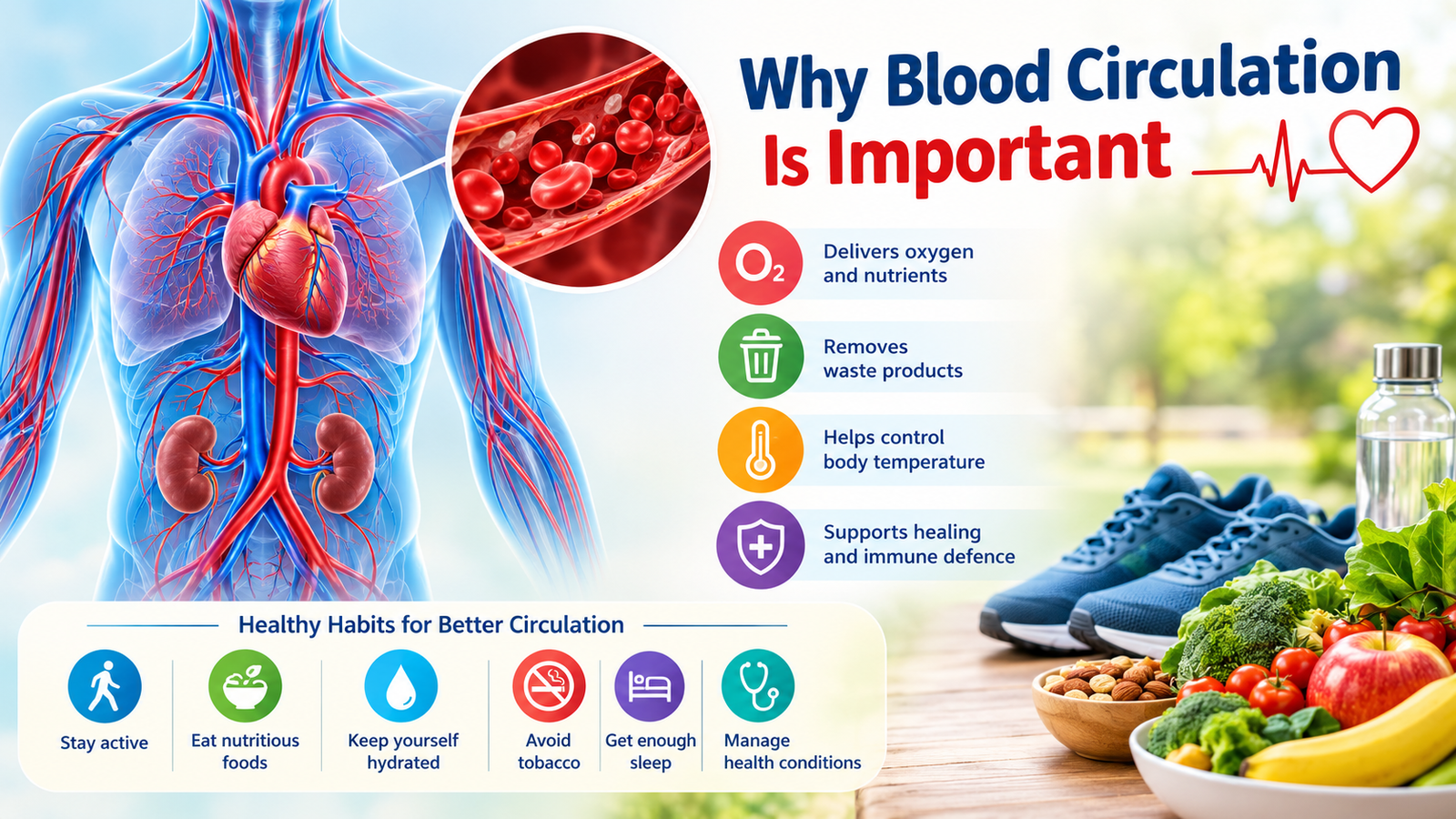
Your energy level is influenced by more than what appears on your plate. Sleep quality, physical activity, stress, hydration, and general health can all affect how alert or tired you feel.
A nutritious eating pattern is therefore most useful when combined with sufficient rest, regular movement, and other healthy daily habits.
Simple Habits That Can Support Daily Energy
You can make your meals more nourishing with a few straightforward habits:
- Add a variety of foods to your meals instead of repeatedly choosing the same ingredients.
- Give preference to foods that are closer to their natural form when practical.
- Include vegetables or fruit with your meals or snacks.
- Make room for a protein-containing food during main meals.
- Keep water available and drink regularly.
- Treat heavily sweetened foods and beverages as occasional choices.
- Avoid routinely missing meals if doing so makes you excessively hungry or tired.
- Rotate different food sources throughout the week to broaden your nutrient intake.
Conclusion
The relationship between diet and energy is based on the body’s need for fuel and nutrients to carry out everyday activities. Carbohydrates, fats, proteins, vitamins, minerals, and water all contribute in different ways to normal body functions.
Instead of relying on a quick-energy product, focus on nutritious food combinations, adequate fluids, sensible meal timing, and variety. When these habits are supported by enough sleep and regular physical activity, they can provide a strong foundation for feeling and functioning well throughout the day.
Verification Code: EN6K9TR42V