Introduction
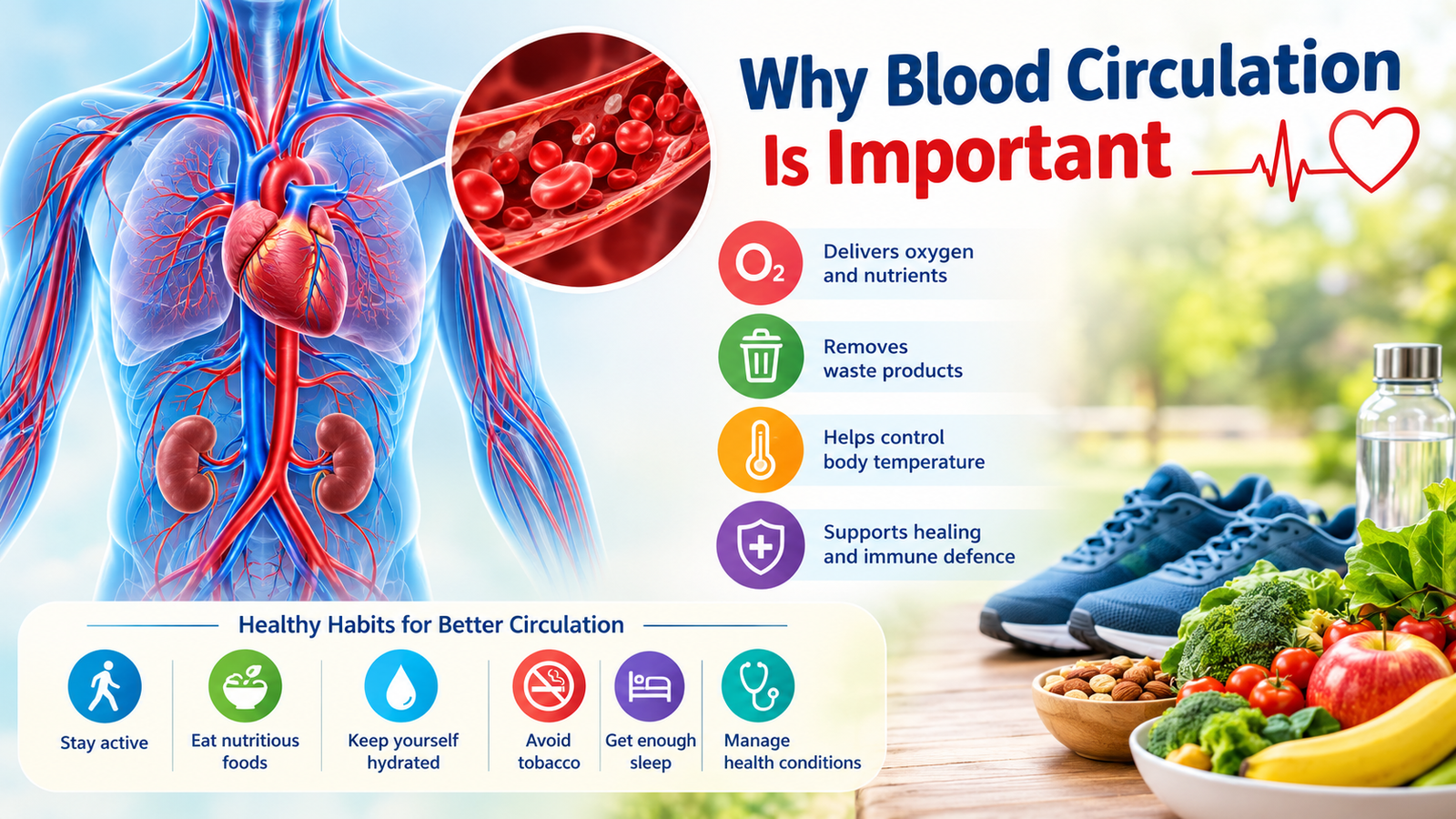
Your body continues working even when you are sitting quietly or sleeping. The heart keeps beating, the brain remains active, and organs need a constant supply of oxygen and nutrients. Blood circulation makes this possible by moving blood through a network of blood vessels that reaches almost every part of the body.
Although circulation usually happens without conscious effort, its quality plays an important role in everyday health. Understanding this process can help you recognize why movement, heart health, and certain daily habits matter.
1. How Blood Travels Through the Body
Blood circulation involves the heart, blood, and blood vessels working together.
The heart acts as a muscular pump. It sends oxygen-poor blood to the lungs, where the blood releases carbon dioxide and receives oxygen. The oxygen-rich blood then returns to the heart and is pumped to the rest of the body.
Arteries carry blood away from the heart, while veins return blood toward it. Tiny vessels called capillaries allow oxygen, nutrients, and other substances to move between the blood and surrounding tissues.
This continuous journey helps maintain the conditions that cells need to function.
2. Delivering Oxygen and Nutrients
Every living cell requires energy to perform its particular job. Most cells use oxygen to produce energy efficiently, while nutrients from food provide the raw materials needed for normal activity and tissue maintenance.
Red blood cells contain hemoglobin, a protein that carries much of the oxygen transported in the blood.
When circulation is severely reduced in a particular area, the affected tissues may not receive enough oxygen. This can interfere with their function and, in serious cases, cause tissue damage.
Healthy circulation therefore supports activities ranging from walking and thinking to digestion and tissue repair.
3. Removing Waste Products
The body produces waste as cells carry out their normal activities. Carbon dioxide is one such waste product.
Blood collects carbon dioxide from tissues and carries it to the lungs for removal through breathing. The blood also transports other waste substances to organs such as the kidneys, which filter waste from the bloodstream.
These processes work together to maintain the body’s internal chemical balance.
Blood circulation does not remove every waste product by itself. Instead, it connects tissues with the organs responsible for processing and eliminating different substances.
4. Helping the Body Control Temperature
Have you noticed that your face may become warm during exercise or that your hands feel cooler in cold weather?
Changes in blood flow help the body respond to its surroundings. When the body needs to release excess heat, blood vessels near the skin can widen, allowing more heat to escape. In cold conditions, these vessels may narrow to reduce heat loss.
This adjustment helps the body maintain a suitable internal temperature.
However, persistently cold hands or feet can have several causes. Temperature alone cannot determine whether someone has a circulation problem.
5. Supporting Healing and Immune Defence
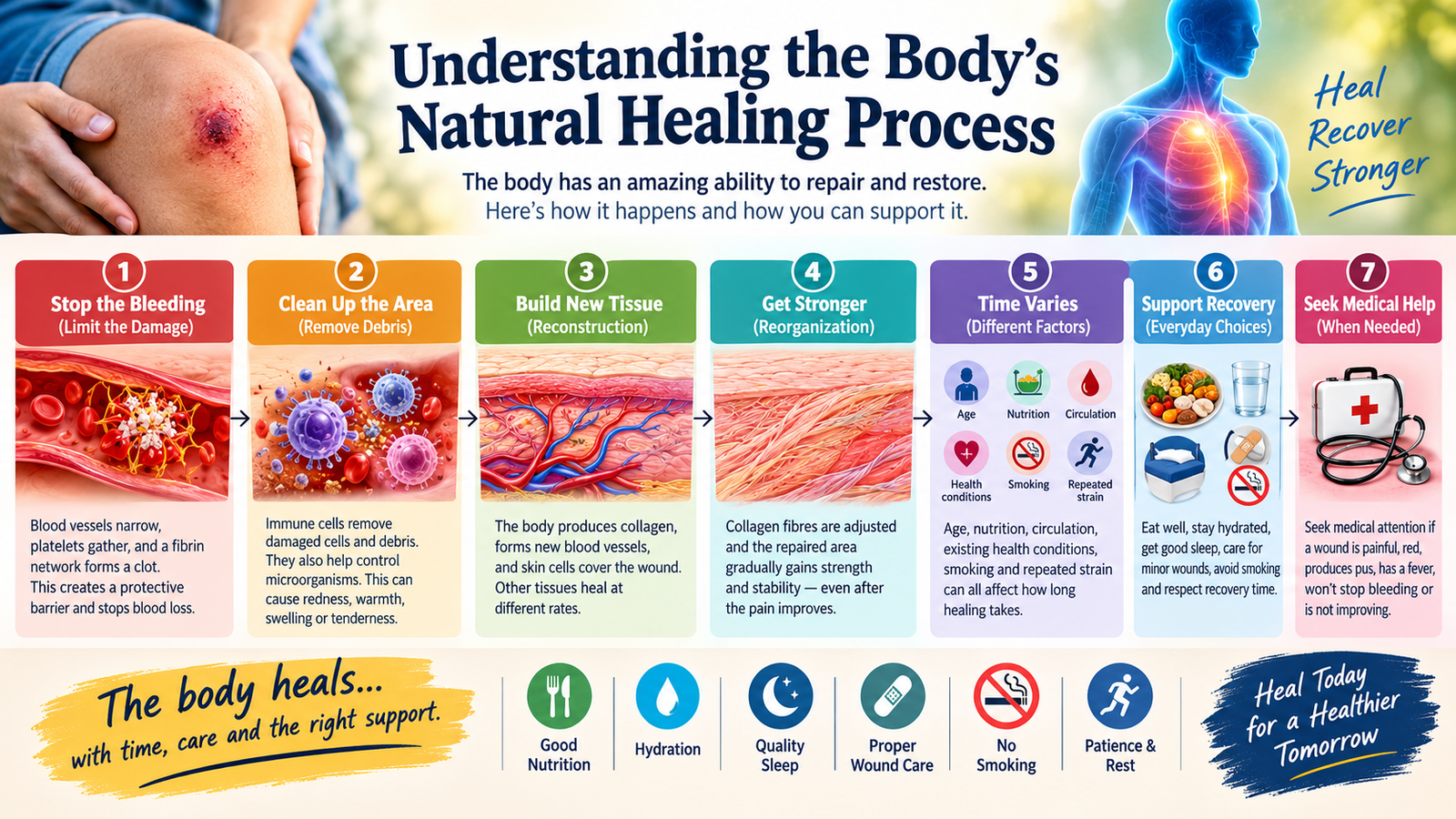
When the skin is injured, blood flow helps deliver substances needed for the healing process. Platelets contribute to clot formation, reducing blood loss from damaged vessels.
Blood also carries white blood cells and other components of the immune system. These help the body identify and respond to infections and tissue injury.
Adequate blood supply is particularly important when damaged tissues need oxygen and nutrients to recover. Conditions that restrict circulation can sometimes delay wound healing.
A wound that remains open, becomes increasingly red or swollen, produces pus, or develops worsening pain should be assessed by a healthcare professional.
6. Everyday Habits That Support Circulation
You do not need an elaborate routine to support cardiovascular health. Consistent habits can make a meaningful difference over time.
Move throughout the day: Walking and other suitable physical activities help maintain cardiovascular fitness. If you sit for long periods, take regular movement breaks.
Choose balanced meals: Include vegetables, fruits, whole grains, pulses, nuts, and suitable protein sources. Limit excessive salt and foods high in trans fats.
Drink enough fluids: Adequate hydration supports normal blood volume. Individual needs vary with activity, climate, and medical conditions.
Avoid smoking: Tobacco damages blood vessels and increases the risk of cardiovascular disease.
Manage existing health conditions: High blood pressure, diabetes, and abnormal cholesterol levels can damage blood vessels over time. Follow your healthcare professional’s treatment advice.
Prioritize sleep: Regular, sufficient sleep supports overall cardiovascular health and general well-being.
These habits support circulation but cannot replace treatment for an existing vascular or heart condition.
7. When Should You Seek Medical Help?
Certain symptoms deserve medical attention, particularly when they are new, persistent, or getting worse.
Arrange a medical appointment if you experience repeated numbness, pain in your legs while walking that improves with rest, persistent swelling, or wounds that heal unusually slowly.
Seek emergency medical care for sudden chest pain, severe breathing difficulty, sudden weakness on one side of the body, or sudden difficulty speaking.
Sudden pain and swelling in one leg, especially with warmth or redness, also require prompt medical assessment because they can indicate a blood clot.
Do not assume that every symptom is caused by poor circulation. A healthcare professional can assess the possible causes and recommend appropriate tests when necessary.
Conclusion
Blood circulation is an essential process that connects the heart, lungs, blood vessels, and body tissues. It delivers oxygen and nutrients, transports waste products, helps regulate temperature, and supports immune activity and healing.
Although this system works automatically, daily choices influence long-term cardiovascular health. Regular movement, balanced nutrition, avoiding tobacco, and managing medical conditions can help protect the heart and blood vessels.
Paying attention to unusual symptoms and seeking timely medical advice are equally important steps toward maintaining good health.
Verification Code: B8K4R2M9X7