Introduction
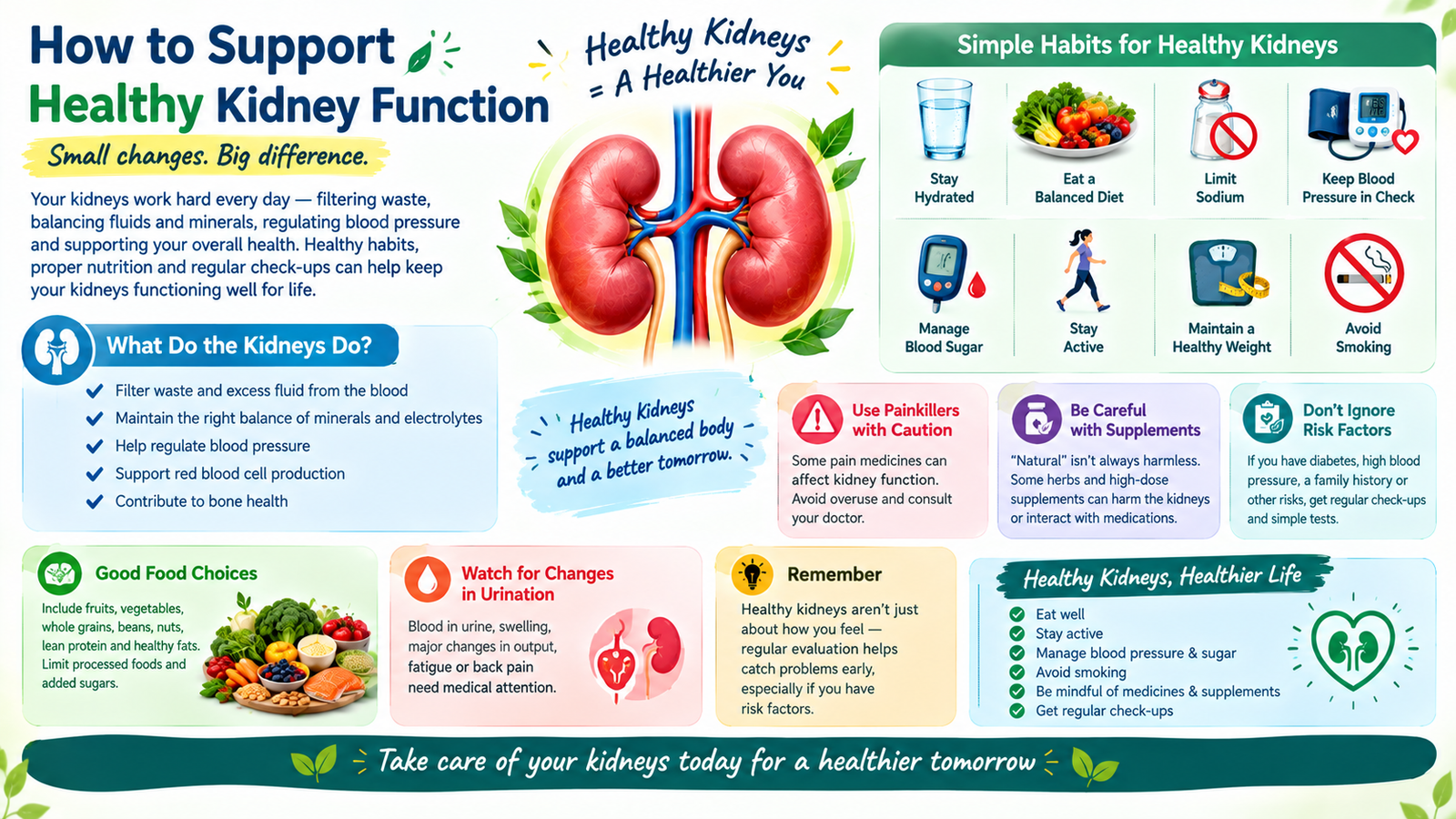
Your kidneys work quietly in the background from morning to night. These two organs clean the bloodstream, remove unwanted substances, help control the body’s fluid levels, and participate in several processes that keep the internal environment stable.
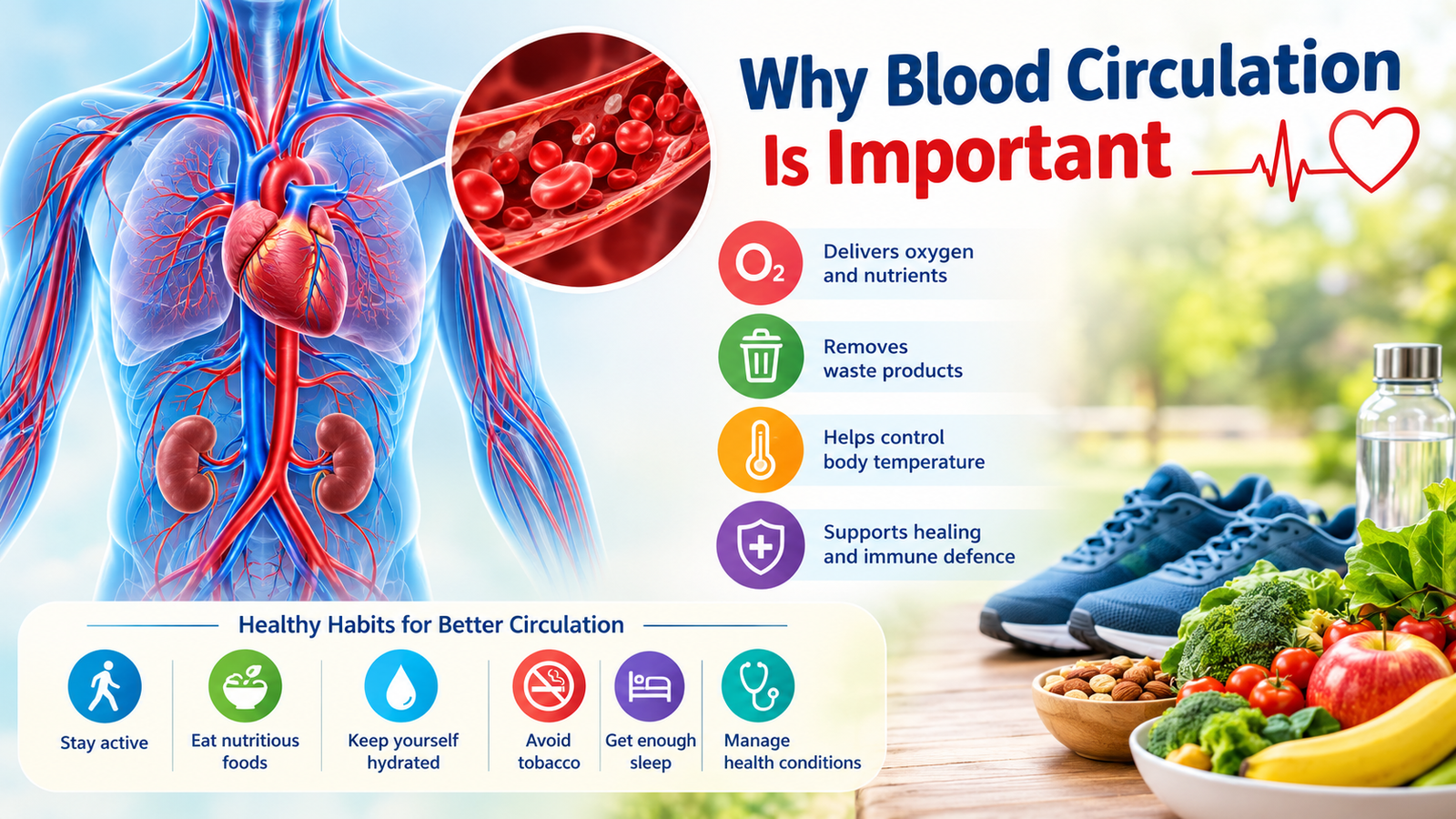
Kidney care is not based on one special food or a single daily habit. Instead, it is influenced by a combination of nutrition, physical activity, blood pressure, blood sugar, medication use, and general lifestyle choices. Building sensible habits over time can help protect kidney health.
Understanding the Work of the Kidneys
The kidneys continuously process blood and separate substances that the body needs from waste products that should leave through urine. They also help maintain appropriate levels of water and minerals.
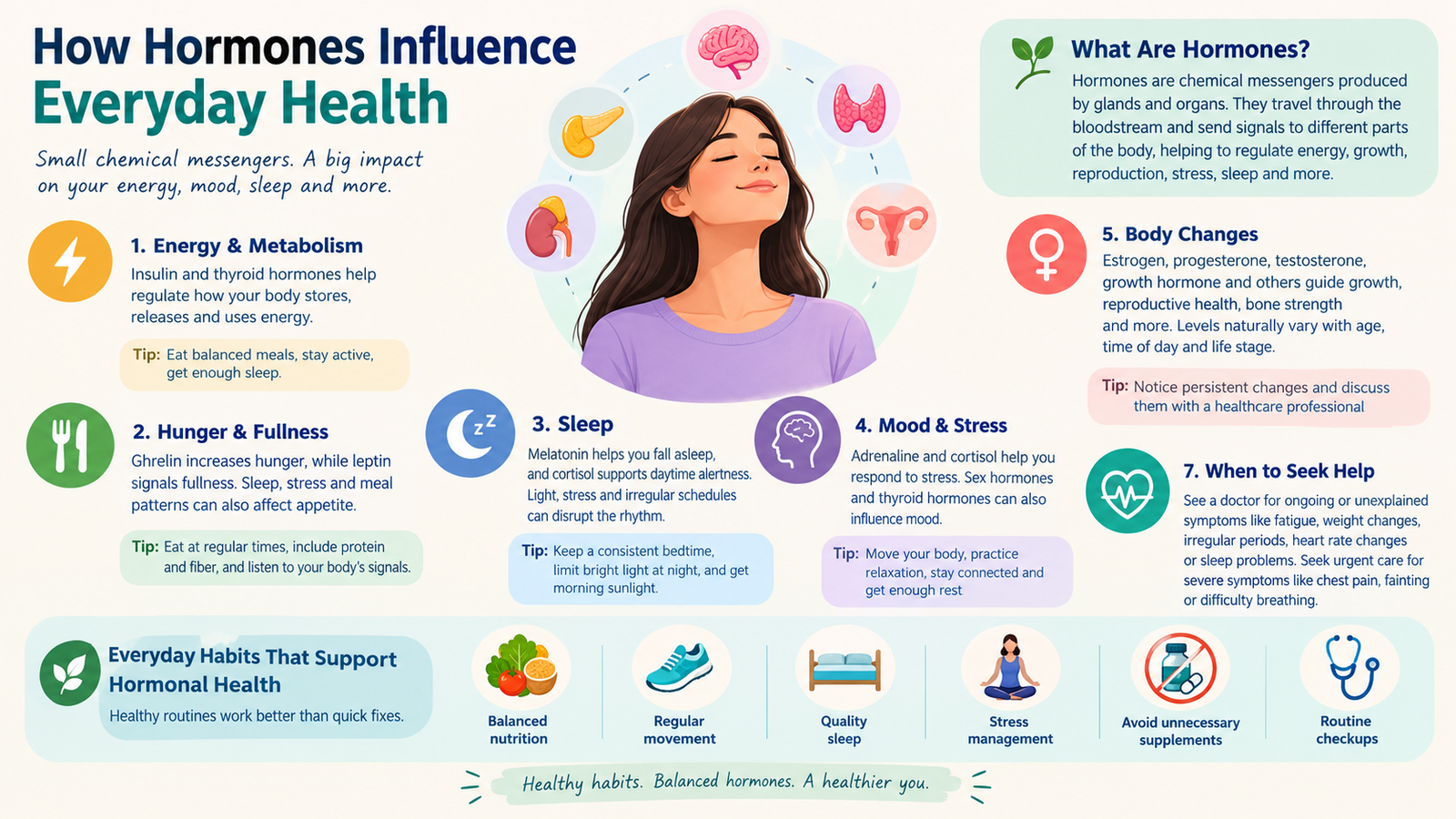
Their work is connected with blood pressure regulation and the production of substances involved in red blood cell formation and bone health. Because the kidneys have so many responsibilities, looking after them is an important part of maintaining overall wellness.
1. Drink Fluids According to Your Needs
Adequate fluid intake allows the kidneys to produce urine and remove waste effectively. Instead of following a fixed amount of water for everyone, pay attention to thirst and your surroundings.
Hot weather, exercise, and heavy sweating can increase fluid requirements. On the other hand, people with certain medical conditions may be advised to restrict fluids. Anyone with a kidney or heart condition should follow their healthcare professional’s individual recommendations.
2. Build Meals Around Nutritious Foods
The quality of your everyday meals can influence many factors connected with kidney health.
Try to include a mixture of vegetables, fruits, whole grains, legumes, suitable protein sources, and healthy fats. At the same time, reduce your dependence on heavily processed foods that may contain substantial amounts of salt, sugar, and unhealthy fats.
A varied eating pattern is generally more useful than concentrating on one so-called “kidney cleansing” food.
3. Be Mindful of Salt
Frequent consumption of very salty foods can contribute to higher blood pressure in some people. Persistently elevated blood pressure can place strain on the small blood vessels responsible for kidney filtration.
Cooking more meals at home can make it easier to control the amount of salt added to food. Herbs, spices, garlic, ginger, lemon, and other seasonings can provide flavor without relying entirely on salt.
4. Keep Blood Pressure Under Control
High blood pressure may cause kidney damage gradually, even when a person does not notice obvious symptoms.
Regular blood pressure checks can help identify a problem early. Staying active, eating sensibly, maintaining an appropriate body weight, limiting excess sodium, and taking prescribed medication correctly can all contribute to better blood pressure management.
5. Pay Attention to Blood Sugar
Blood vessels throughout the body can be affected by prolonged high blood glucose. The kidneys contain an extensive network of tiny blood vessels, making long-term blood sugar management particularly important for people with diabetes.
Following a recommended diabetes-care plan and attending routine medical appointments can help reduce the risk of complications.
6. Make Movement Part of Your Routine
Physical activity benefits circulation, cardiovascular health, body weight, and metabolic health. These effects can indirectly help reduce several factors associated with kidney disease.
You do not need an intense exercise program to become more active. Walking, cycling, swimming, household activities, stretching, and appropriate strength exercises can all contribute to an active lifestyle.
The key is finding activities that you can perform regularly.
7. Use Pain Medicines Carefully
Some commonly used pain medicines, particularly certain NSAIDs, can affect the kidneys when taken too frequently, at excessive doses, or in certain health conditions.
This does not mean that everyone must avoid these medicines. Instead, follow dosage instructions and seek professional advice if you need pain medication regularly.
People with existing kidney problems should be especially careful about self-medicating.
8. Avoid Tobacco
Smoking affects blood vessels and circulation throughout the body. Since healthy blood flow is important for kidney function, avoiding tobacco is another positive step for long-term health.
Stopping smoking can also benefit the heart, lungs, and other organs, making it an important overall lifestyle improvement.
9. Be Cautious With Supplements
Herbal products and nutritional supplements are not automatically harmless simply because they are marketed as natural.
Some products may interact with medicines or place additional stress on the kidneys. High-dose supplements can also be unnecessary when a person already receives adequate nutrients from food.
Before starting a new supplement, particularly if you have an existing health condition or take regular medication, discuss it with a healthcare professional.
10. Maintain a Healthy Body Weight
Excess body weight can increase the likelihood of developing conditions such as high blood pressure and type 2 diabetes. These conditions are among the factors associated with long-term kidney problems.
Rather than following extreme diets, focus on gradual and sustainable improvements in food choices and physical activity.
11. Know Your Personal Risk
Kidney problems can sometimes progress without obvious early warning signs. People with diabetes, high blood pressure, cardiovascular disease, a family history of kidney disease, or previous kidney problems may require closer monitoring.
Routine blood and urine testing, when recommended by a healthcare professional, can provide useful information about kidney health.
12. Don’t Ignore Unusual Changes
Certain changes deserve medical attention, particularly when they persist. These can include blood appearing in the urine, unusual swelling, significant changes in urine production, unexplained tiredness, or persistent pain around the side or back.
Such symptoms can have many possible causes, so they should not automatically be assumed to indicate kidney disease. Professional evaluation can help identify the underlying reason.
Everyday Kidney-Friendly Habits
Protecting kidney health can be incorporated into an ordinary routine:
- Drink fluids appropriately for your individual needs.
- Eat a varied diet with plenty of nutritious foods.
- Avoid excessive salt.
- Stay physically active.
- Monitor blood pressure when appropriate.
- Keep blood sugar under control if you have diabetes.
- Avoid smoking.
- Use medicines according to professional guidance.
- Be careful with unverified supplements.
- Attend recommended health screenings.
Conclusion
Kidney health is closely connected with many everyday aspects of wellness. The kidneys depend on healthy circulation, appropriate fluid balance, good nutrition, and proper management of conditions that can affect them.
There is no single habit that guarantees perfect kidney health. A consistent combination of sensible eating, regular movement, appropriate hydration, responsible medication use, and routine medical care offers a more practical approach.
People with kidney disease or significant risk factors should follow individualized medical advice rather than relying on general wellness recommendations.
Verification Code: KD7Q4XM82LP