Introduction
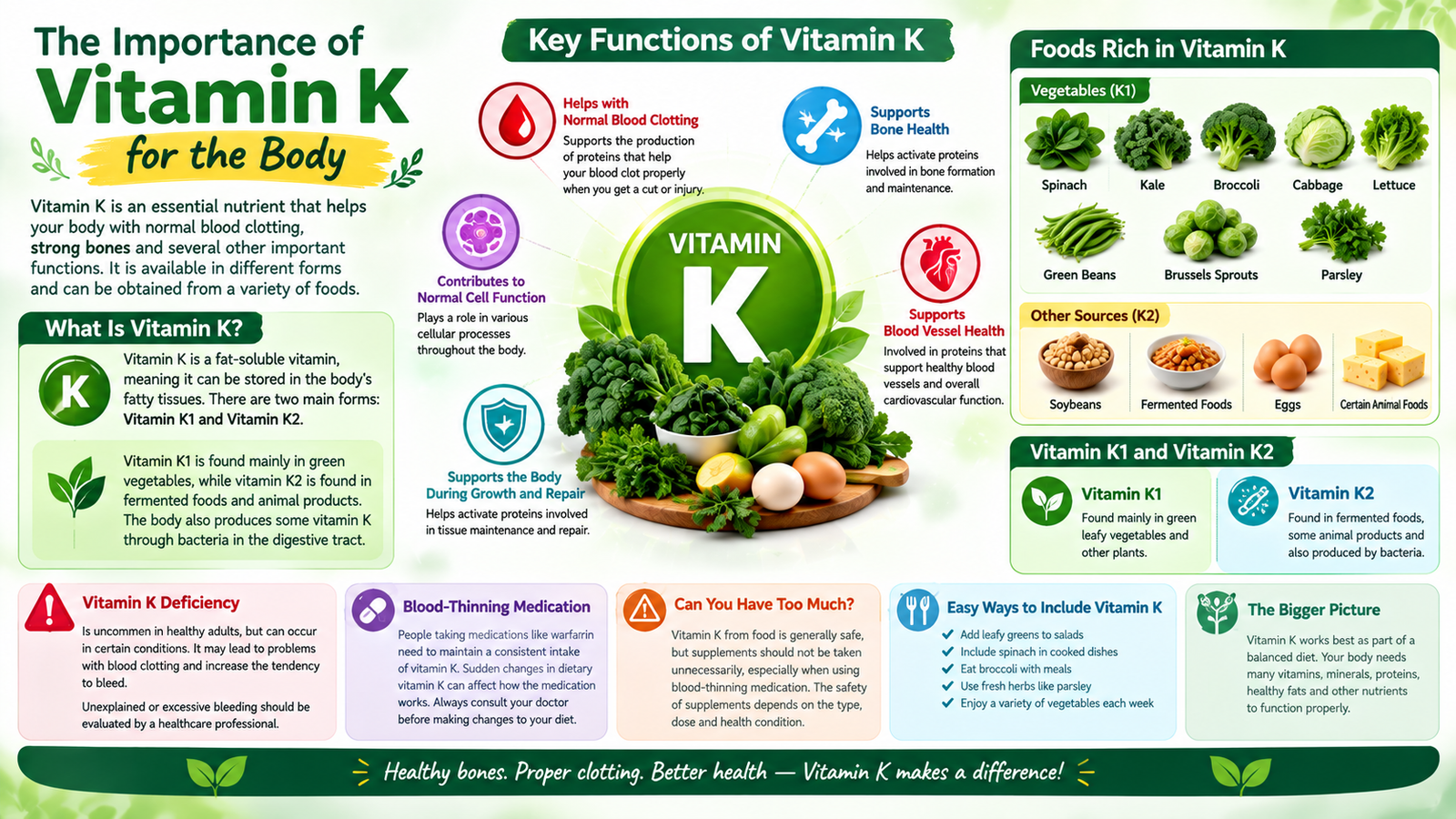
Vitamin K is an essential nutrient that the body uses for several important processes. It is especially known for its role in normal blood clotting, but its functions extend to maintaining healthy bones and supporting other cellular activities.
Vitamin K is available in different forms and can be obtained from a variety of foods. Including vegetables and other nutrient-rich foods in your regular diet can help provide this important vitamin.
What Is Vitamin K?
Vitamin K is a fat-soluble vitamin, meaning it can be stored in the body’s fatty tissues. The two main dietary forms are vitamin K1 and vitamin K2.
Vitamin K1 is found mainly in green vegetables, while vitamin K2 occurs in certain fermented foods and animal-derived products. The body also produces some vitamin K through bacteria in the digestive tract, although dietary sources remain important.
1. Helps With Normal Blood Clotting
One of vitamin K’s most important functions is helping the body produce proteins involved in blood clotting.
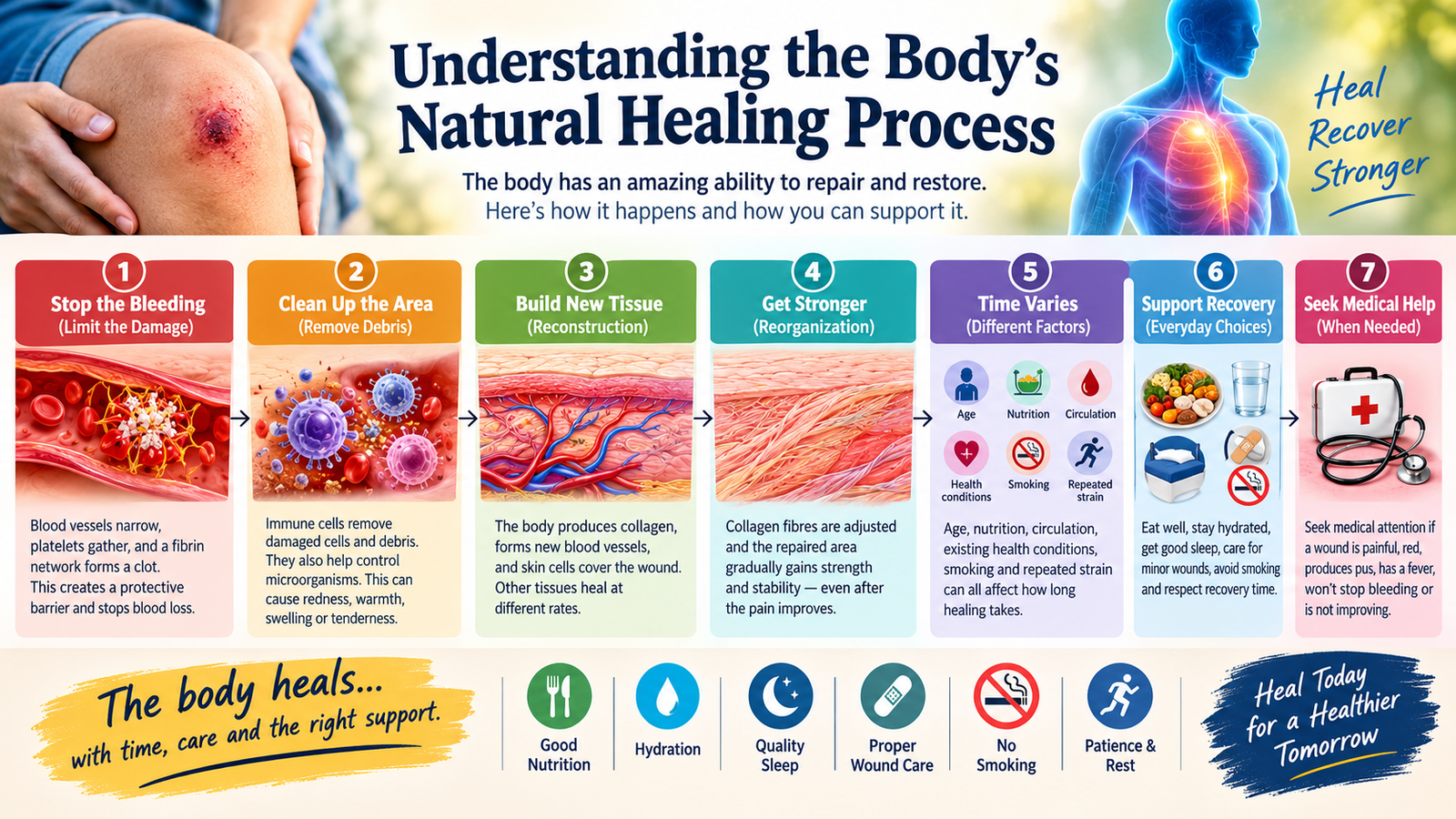
When you experience a cut or injury, the body needs to control bleeding. Vitamin K contributes to the activation of several clotting proteins that help this process occur normally.
Without sufficient vitamin K, the body’s ability to form clots can be affected.
2. Supports Bone Health
Vitamin K is involved in the production and activation of proteins associated with bones. These proteins help participate in processes related to bone formation and maintenance.
Healthy bones depend on much more than one nutrient. Adequate calcium, vitamin D, protein, physical activity, and overall good nutrition are also important.
3. Contributes to Normal Cell Function
Vitamin K participates in biological processes involving specific proteins found throughout the body. These activities contribute to normal cellular functions.
This demonstrates why vitamins needed in relatively small quantities can still have important roles in maintaining the body’s systems.
4. Plays a Role in Blood Vessel Health
Some vitamin K-dependent proteins are involved in tissues such as blood vessels. Research continues to examine the broader relationship between vitamin K and cardiovascular health.
However, vitamin K should not be considered a treatment for heart or blood vessel conditions. Maintaining an overall balanced diet remains more important than concentrating on one nutrient.
5. Supports the Body During Growth and Repair
The body constantly replaces old cells and maintains tissues. Vitamin K contributes to the activation of proteins involved in several of these processes.
Obtaining enough vitamin K as part of a varied diet can therefore support normal maintenance of body tissues.
Foods Rich in Vitamin K
Many nutritious foods provide vitamin K. Some good sources include:
- Spinach
- Kale
- Broccoli
- Cabbage
- Lettuce
- Green beans
- Brussels sprouts
- Parsley
- Soybeans
- Certain fermented foods
- Eggs and some animal-derived foods
Dark green leafy vegetables are particularly useful sources of vitamin K1.
Vitamin K1 and Vitamin K2
Although both forms belong to the vitamin K family, they come from somewhat different dietary sources.
Vitamin K1 is abundant in green leafy vegetables and other plants.
Vitamin K2 includes several related compounds found in fermented foods and certain animal products. Some forms are also produced by bacteria.
Both contribute to the body’s vitamin K activity.
What Happens if You Don’t Get Enough Vitamin K?
Vitamin K deficiency is uncommon in healthy adults who eat a varied diet. However, it can occur in certain situations, including problems that interfere with fat absorption or some medical conditions.
Inadequate vitamin K can interfere with normal blood clotting and may increase the tendency to bleed.
Unexplained or excessive bleeding should always be evaluated by a healthcare professional rather than treated with vitamin supplements without identifying the cause.
Vitamin K and Blood-Thinning Medication
People taking certain anticoagulant medications need to pay particular attention to vitamin K intake.
For example, warfarin works by interfering with vitamin K-dependent clotting processes. Large or sudden changes in dietary vitamin K intake can affect how the medication works.
People taking warfarin should not suddenly eliminate or dramatically increase vitamin K-rich foods without discussing dietary changes with their healthcare professional. Consistency is often important for medication management.
Can You Have Too Much Vitamin K?
Vitamin K obtained naturally from foods is generally well tolerated. However, supplements should not be taken unnecessarily, particularly by people taking medications that affect blood clotting.
The safety of supplements can depend on the type, dose, health condition, and medications being used. Professional guidance is advisable before starting high-dose vitamin K supplements.
Simple Ways to Include Vitamin K in Your Diet
Adding vitamin K-rich foods to everyday meals does not require major changes.
You can add leafy greens to salads, include spinach in cooked dishes, eat broccoli with lunch or dinner, or use fresh herbs such as parsley to add flavor to meals.
Combining different vegetables throughout the week provides vitamin K along with fiber, minerals, and other beneficial plant compounds.
A Balanced Diet Matters
Vitamin K works as part of a larger nutritional picture. The body needs many vitamins, minerals, proteins, healthy fats, and other nutrients to function properly.
Instead of focusing exclusively on vitamin K, aim for a varied eating pattern that includes vegetables, fruits, whole grains, legumes, protein-rich foods, and other nutritious choices suited to your dietary needs.
Conclusion
Vitamin K is an essential nutrient with important responsibilities in the body. It helps support normal blood clotting and contributes to processes associated with healthy bones, cells, and other tissues.
Green leafy vegetables are among the best dietary sources, while other foods can provide different forms of vitamin K. Most healthy people can obtain sufficient amounts through a varied diet.
If you take anticoagulant medication or have a condition affecting nutrient absorption, your vitamin K needs may require individual guidance. In general, maintaining a consistent, balanced diet is a practical way to support adequate vitamin K intake and overall health.
Verification Code: VK8Q5XM42LR