Introduction
Breathing happens so naturally that it is easy to forget how much work the respiratory system performs every minute. The lungs bring oxygen into the bloodstream, remove carbon dioxide, and help the body maintain the right chemical balance. They also have protective mechanisms that filter and clear many particles from the air we breathe.
Lung function is influenced by age, genetics, environment, existing health conditions, and lifestyle. While not every risk can be controlled, several everyday choices can help maintain respiratory health and reduce unnecessary strain on the lungs.
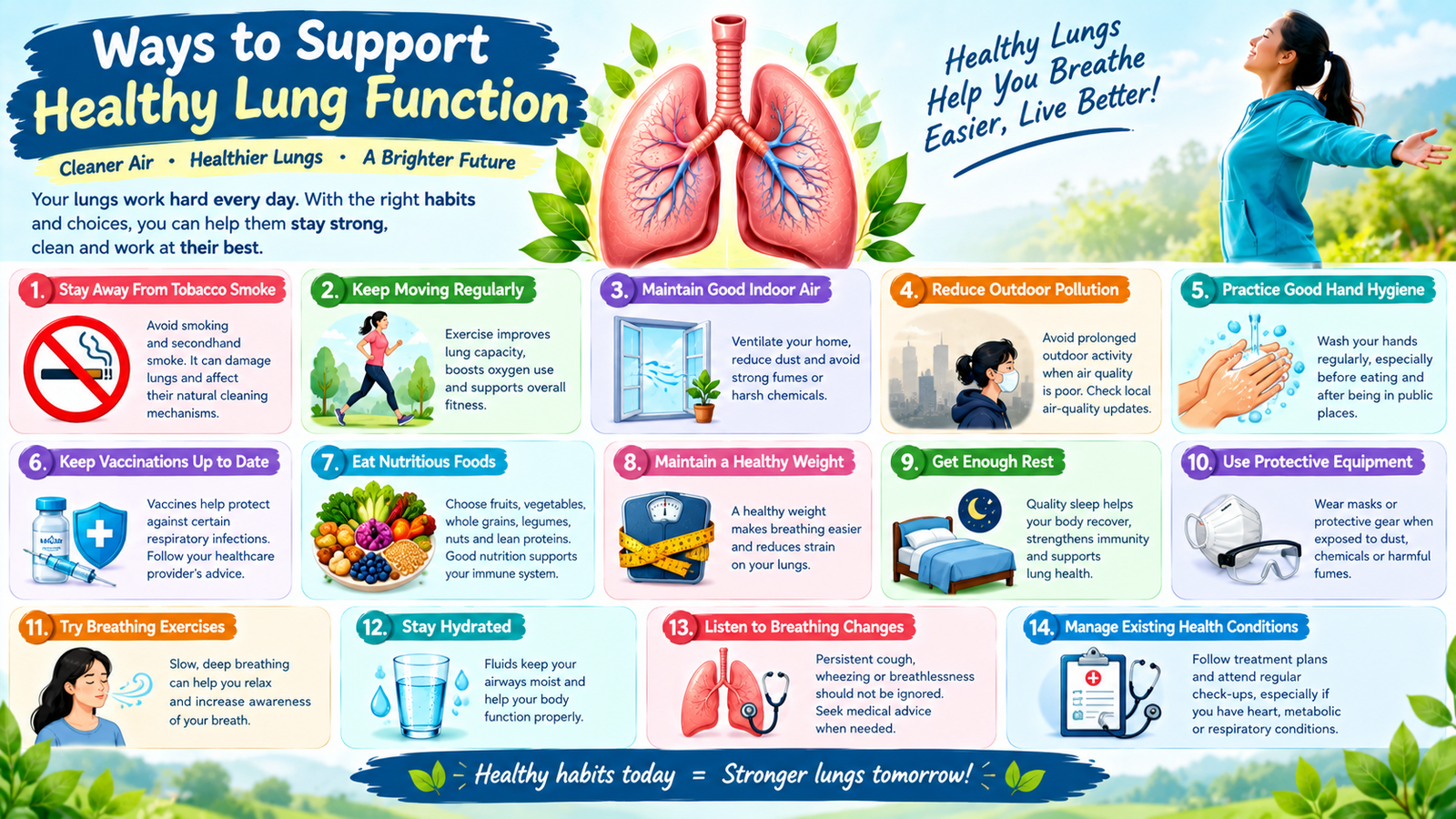
1. Stay Away From Tobacco Smoke
Smoking is one of the most significant avoidable threats to lung health. Tobacco smoke contains substances that can irritate and damage respiratory tissues and may interfere with the lungs’ natural cleaning mechanisms.
Avoiding cigarettes, cigars, and other tobacco products is an important step toward protecting lung function. People who already smoke can benefit from quitting, even after years of smoking.
Secondhand smoke should also be avoided whenever possible.
2. Keep Moving Regularly
Physical activity makes the respiratory system work together with the heart and muscles. During exercise, the body needs more oxygen, so breathing naturally becomes deeper and faster.
Activities such as walking, cycling, swimming, dancing, or suitable strength exercises can improve overall fitness and help the body use oxygen efficiently.
You do not have to begin with demanding workouts. Starting with manageable activity and gradually increasing it can make exercise easier to maintain.
3. Pay Attention to Indoor Air
People spend a large portion of their day indoors, making indoor air quality relevant to respiratory wellness.
Regular ventilation can help refresh indoor air. Keeping excessive dust under control and avoiding unnecessary exposure to strong fumes can also be useful.
When using cleaning products, paints, or other substances that release fumes, follow the product’s safety directions and provide appropriate ventilation.
4. Reduce Exposure to Outdoor Pollution
Air pollution can contain fine particles and gases that irritate the respiratory tract. On days when pollution levels are particularly high, people who are sensitive to poor air quality may benefit from reducing prolonged outdoor exertion.
Local air-quality information can help guide decisions about outdoor activities, especially for individuals with existing respiratory conditions.
5. Practice Good Hand Hygiene
Some respiratory infections spread through contaminated hands and frequently touched surfaces.
Washing your hands with soap and water, particularly before eating and after being in public places, can reduce the opportunity for certain germs to spread.
Avoiding close contact with people who are actively ill when practical can provide another layer of protection.
6. Keep Recommended Vaccinations Up to Date
Some infections can cause significant respiratory illness. Vaccination can help protect against certain diseases and may be especially important for people who have particular health conditions or increased risk of complications.
Recommended vaccines vary according to age, health status, location, and other factors. Discuss your vaccination needs with a healthcare professional.
7. Maintain a Nutritious Diet
The lungs require energy and nutrients to perform their normal functions. A varied diet containing vegetables, fruits, whole grains, legumes, nuts, seeds, and appropriate protein sources supports overall health.
No individual food can “clean” the lungs. Instead, consistently choosing nutrient-rich foods is a more sensible approach.
Adequate nutrition also supports the immune system, which helps the body respond to respiratory infections.
8. Maintain a Healthy Weight
Body weight can influence breathing mechanics and overall physical fitness. Excess body weight may make some activities more physically demanding and can be associated with conditions that affect respiratory health.
If weight management is appropriate, gradual changes in eating habits and physical activity are generally more sustainable than extreme diets.
9. Give Your Body Enough Rest
Sleep provides an opportunity for the body to recover from daily demands. Poor sleep can affect energy, concentration, immune function, and overall well-being.
Creating a regular sleep schedule, maintaining a comfortable sleeping environment, and reducing unnecessary distractions before bedtime can support better rest.
People who regularly experience loud snoring, breathing pauses during sleep, or excessive daytime sleepiness should discuss these symptoms with a healthcare professional.
10. Use Protective Equipment When Necessary
Certain occupations and hobbies can expose people to dust, chemical vapors, smoke, or other airborne substances.
Appropriate respiratory protection and workplace safety procedures can reduce exposure. Protective equipment should be used according to the specific hazard and instructions provided.
Ignoring repeated exposure simply because symptoms are not immediately noticeable can allow respiratory irritation to continue unnoticed.
11. Practice Good Breathing Habits
For most healthy people, breathing does not require conscious control. However, slow and controlled breathing exercises can be useful for relaxation and may help people become more aware of their breathing patterns.
Breathing exercises should not replace medical treatment for respiratory diseases. Anyone who regularly experiences difficulty breathing should have the underlying cause assessed rather than relying solely on breathing techniques.
12. Stay Hydrated
Adequate fluid intake helps keep normal body functions running. Fluids also contribute to keeping airway secretions from becoming excessively thick.
Individual fluid requirements vary. People with certain medical conditions may have specific fluid recommendations, so they should follow professional advice rather than automatically increasing water intake.
13. Listen to Changes in Your Breathing
A persistent cough, repeated wheezing, unexplained breathlessness, chest discomfort, or a noticeable decline in exercise tolerance should not simply be dismissed.
Respiratory symptoms can have many causes, ranging from temporary infections to chronic conditions. Medical assessment can help determine what is responsible and whether treatment is needed.
Coughing up blood or experiencing severe breathing difficulty requires prompt medical attention.
14. Manage Existing Health Conditions
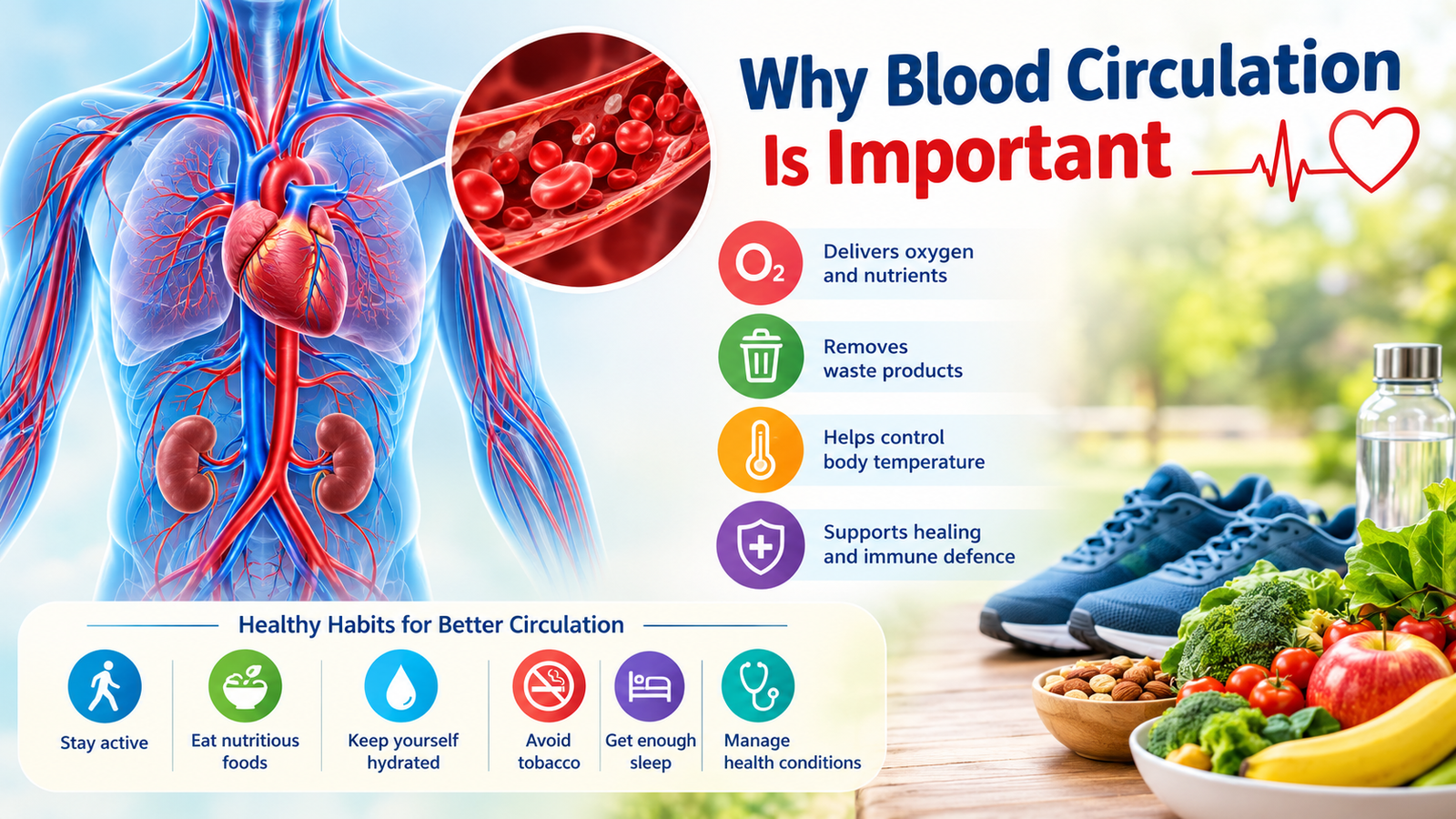
Conditions affecting the heart, blood vessels, metabolism, or respiratory system can influence breathing and lung health.
If you have a diagnosed respiratory condition, using prescribed medicines correctly and following your healthcare professional’s recommendations can help maintain better control.
Regular follow-up is particularly important when symptoms change or become more frequent.
A Simple Lung-Friendly Routine
Supporting lung health can become part of an ordinary day:
- Avoid tobacco and secondhand smoke.
- Stay physically active.
- Choose nutritious foods.
- Keep indoor spaces appropriately ventilated.
- Reduce exposure to pollutants and harmful fumes.
- Follow workplace safety precautions.
- Practice good hand hygiene.
- Keep recommended vaccinations current.
- Get adequate sleep.
- Seek medical advice for persistent respiratory symptoms.
Conclusion
Healthy lung function depends on more than simply taking deep breaths. The respiratory system is affected by the air we inhale, our activity level, nutrition, infections, sleep, body weight, and exposure to smoke or chemicals.
There is no single exercise, food, or supplement that guarantees strong lungs. A combination of sensible habits offers a more practical approach.
Avoiding tobacco smoke, remaining active, maintaining good nutrition, protecting yourself from harmful airborne substances, and paying attention to persistent breathing changes can all contribute to long-term respiratory wellness.
Verification Code: LF9Q6XM38RT