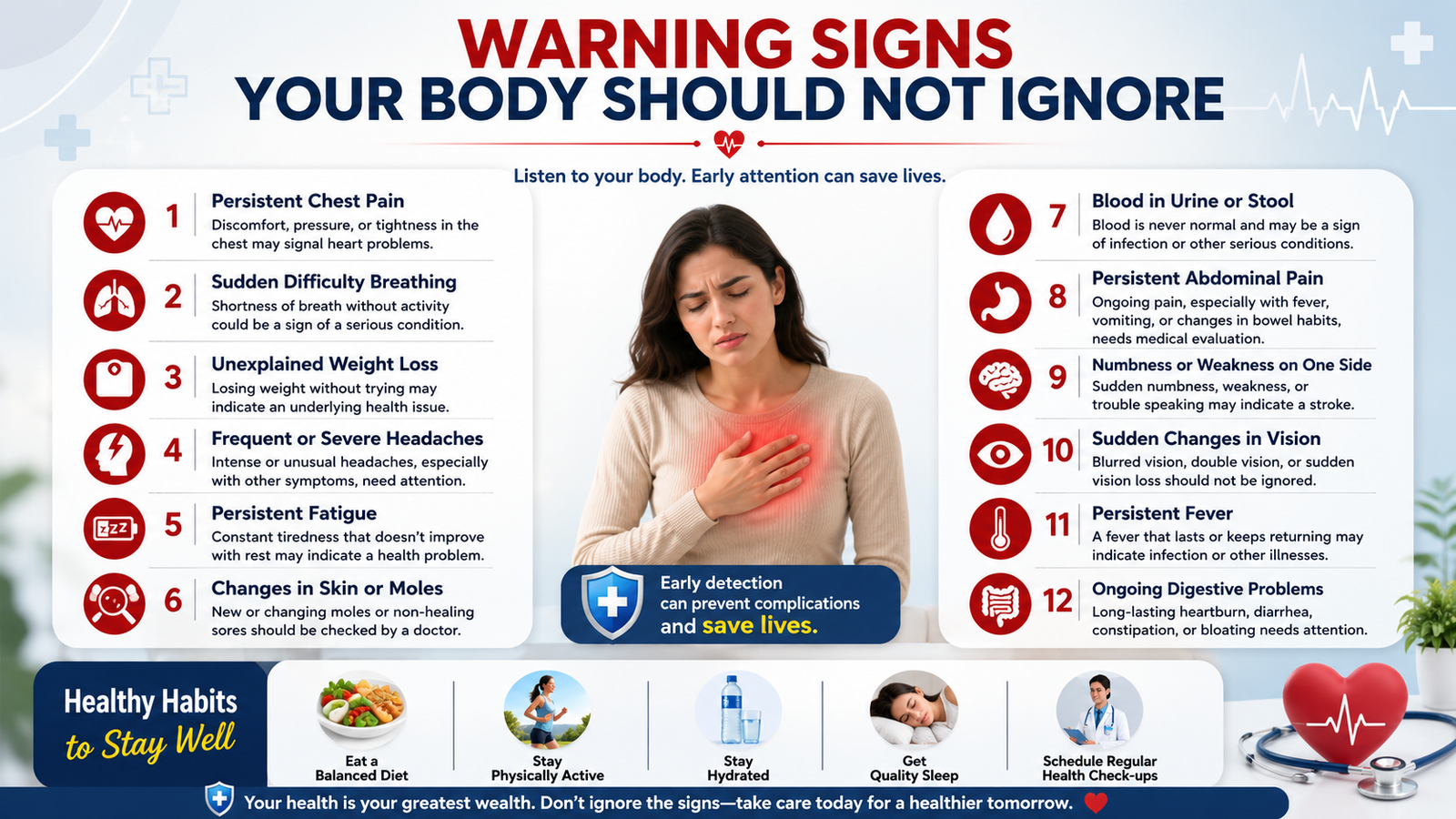
Introduction
Our bodies constantly communicate through different signs and symptoms. While some minor discomforts may disappear on their own, certain warning signs should never be ignored because they can indicate an underlying health problem that requires medical attention. Recognizing these symptoms early can help prevent complications, improve treatment outcomes, and protect your overall well-being.
Understanding what your body is trying to tell you allows you to make informed decisions about your health. Paying attention to unusual or persistent changes is an important step toward maintaining a healthy life.
1. Persistent Chest Pain
Chest pain should always be taken seriously, especially if it feels like pressure, tightness, squeezing, or heaviness. Pain that spreads to the shoulders, neck, jaw, or arms, particularly when accompanied by shortness of breath, sweating, or nausea, may indicate a serious heart-related condition.
Even if the discomfort seems mild, seeking prompt medical evaluation is essential to determine the cause.
2. Sudden Difficulty Breathing
Unexpected shortness of breath or difficulty breathing without physical exertion should never be ignored. It may result from respiratory infections, asthma, allergic reactions, heart conditions, or other medical emergencies.
If breathing problems are severe or occur suddenly, immediate medical care is necessary.
3. Unexplained Weight Loss
Losing weight without changes in diet or physical activity can sometimes signal an underlying medical condition. Digestive disorders, hormonal imbalances, chronic infections, or certain diseases may contribute to unexpected weight loss.
A healthcare professional can help identify the cause through appropriate evaluation.
4. Frequent or Severe Headaches
Occasional headaches are common, but headaches that become unusually severe, occur frequently, or appear suddenly deserve medical attention. If headaches are accompanied by blurred vision, confusion, weakness, speech difficulties, or loss of consciousness, emergency evaluation is recommended.
Monitoring changes in headache patterns can help healthcare providers determine the underlying cause.
5. Persistent Fatigue
Feeling tired after a busy day is normal, but ongoing fatigue that does not improve with adequate rest may indicate nutritional deficiencies, thyroid disorders, anemia, sleep disorders, or other health conditions.
Persistent exhaustion should be discussed with a healthcare provider, especially if it affects daily activities.
6. Changes in Skin or Moles
The skin often reflects overall health. New moles or changes in the size, shape, color, or texture of existing moles should be examined by a medical professional. Persistent skin sores that do not heal also require attention.
Early evaluation can help identify potential skin conditions before they become more serious.
7. Blood in Urine or Stool
Blood in the urine or stool should never be considered normal. It may result from infections, hemorrhoids, kidney stones, digestive conditions, or other medical problems that require diagnosis.
Prompt medical assessment helps determine the cause and appropriate treatment.
8. Persistent Abdominal Pain
Occasional stomach discomfort may be harmless, but severe or ongoing abdominal pain should not be ignored. Pain that worsens over time or is associated with fever, vomiting, or changes in bowel habits may indicate conditions requiring medical care.
Timely diagnosis can prevent complications.
9. Numbness or Weakness on One Side of the Body
Sudden numbness, weakness, facial drooping, difficulty speaking, or loss of coordination may be signs of a stroke. These symptoms require immediate emergency medical attention.
Quick treatment can significantly improve recovery and reduce long-term complications.
10. Changes in Vision
Blurred vision, double vision, sudden vision loss, or flashes of light should be evaluated promptly. Vision changes may result from eye conditions, diabetes, high blood pressure, or neurological disorders.
Early treatment helps protect long-term eye health.
11. Persistent Fever
A fever that continues for several days or repeatedly returns may indicate an infection or another underlying medical condition. If fever is accompanied by severe symptoms such as difficulty breathing, confusion, or persistent vomiting, immediate medical care is recommended.
Ignoring prolonged fever may delay necessary treatment.
12. Ongoing Digestive Problems
Frequent heartburn, difficulty swallowing, persistent constipation, chronic diarrhea, or continuous bloating should not be overlooked. Long-lasting digestive symptoms may indicate gastrointestinal disorders that benefit from early diagnosis and management.
Seeking medical advice can improve comfort and prevent complications.
Tips for Monitoring Your Health
- Pay attention to new or unusual symptoms.
- Do not ignore symptoms that persist or worsen over time.
- Schedule regular health check-ups.
- Maintain a balanced diet and stay physically active.
- Get adequate sleep and manage stress effectively.
- Follow your healthcare provider’s recommendations for preventive screenings.
Conclusion
Your body often provides early warning signs when something is not right. Recognizing symptoms such as persistent chest pain, difficulty breathing, unexplained weight loss, severe headaches, unusual fatigue, changes in vision, or blood in urine or stool can lead to earlier diagnosis and better treatment outcomes.
Listening to your body and seeking timely medical advice when symptoms persist or become severe is one of the most important steps you can take to protect your long-term health. Regular preventive care, healthy lifestyle choices, and prompt attention to warning signs contribute to a healthier and more confident future.
Verification Code: WS7X5QN94LK

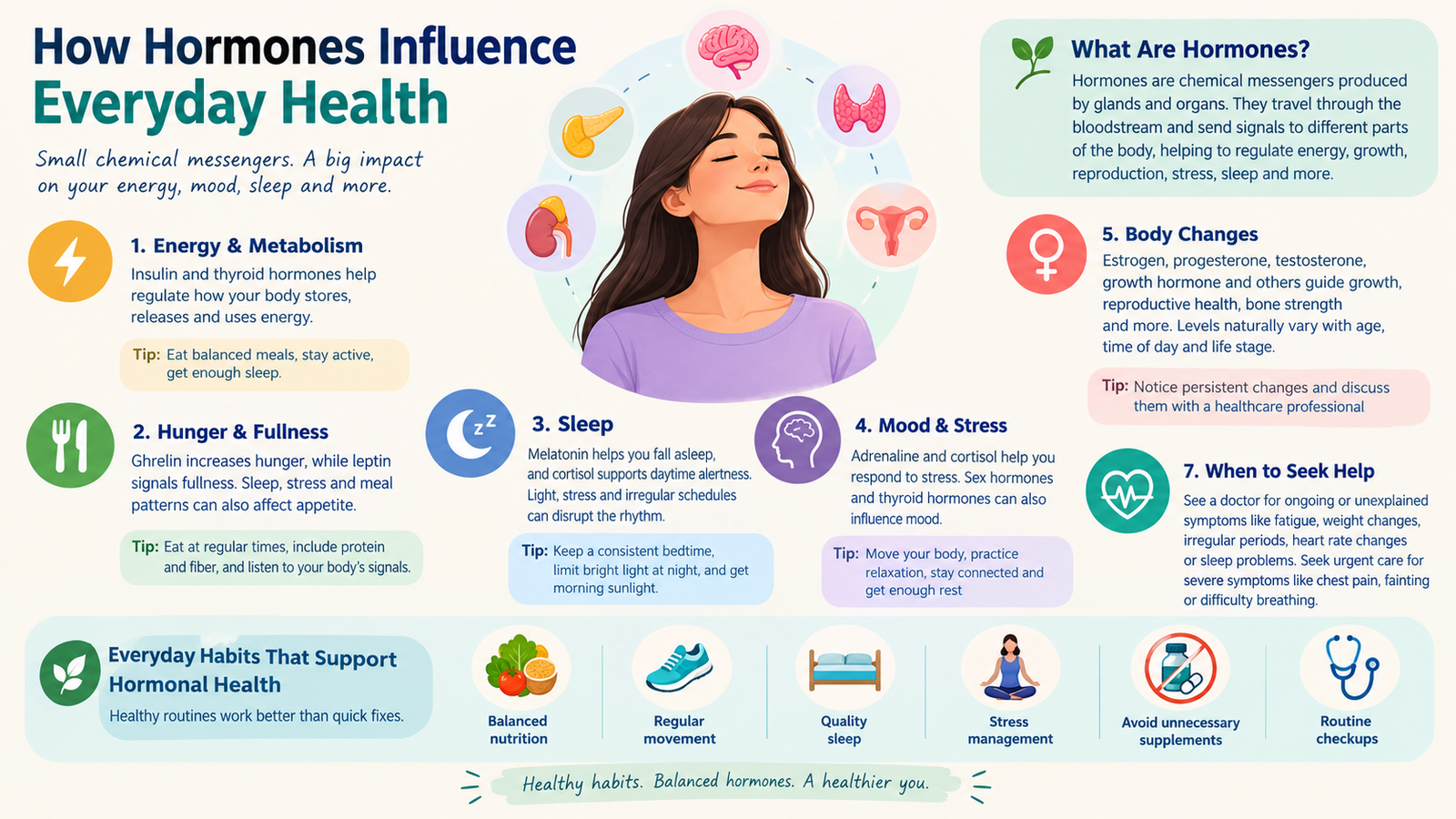
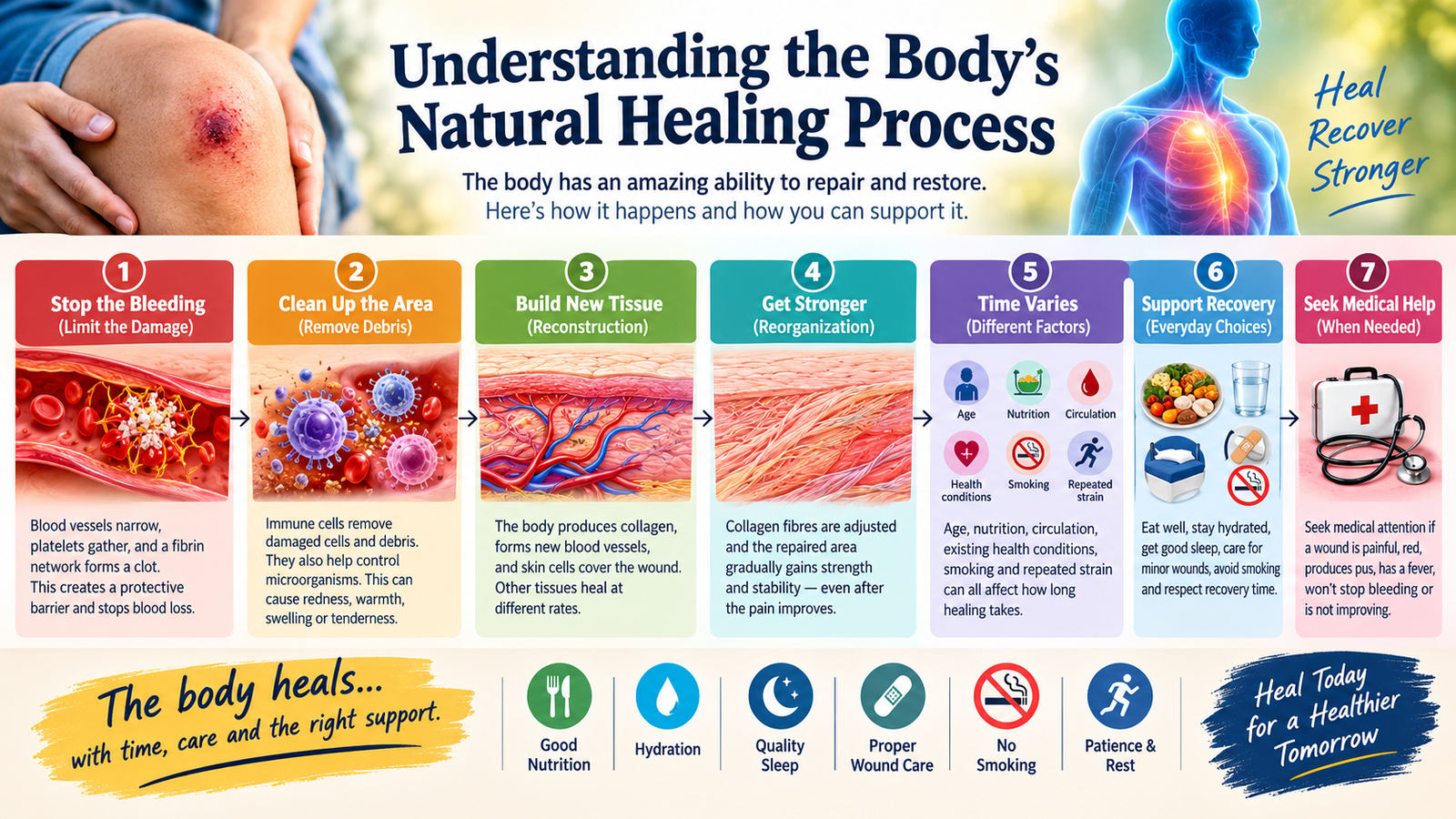
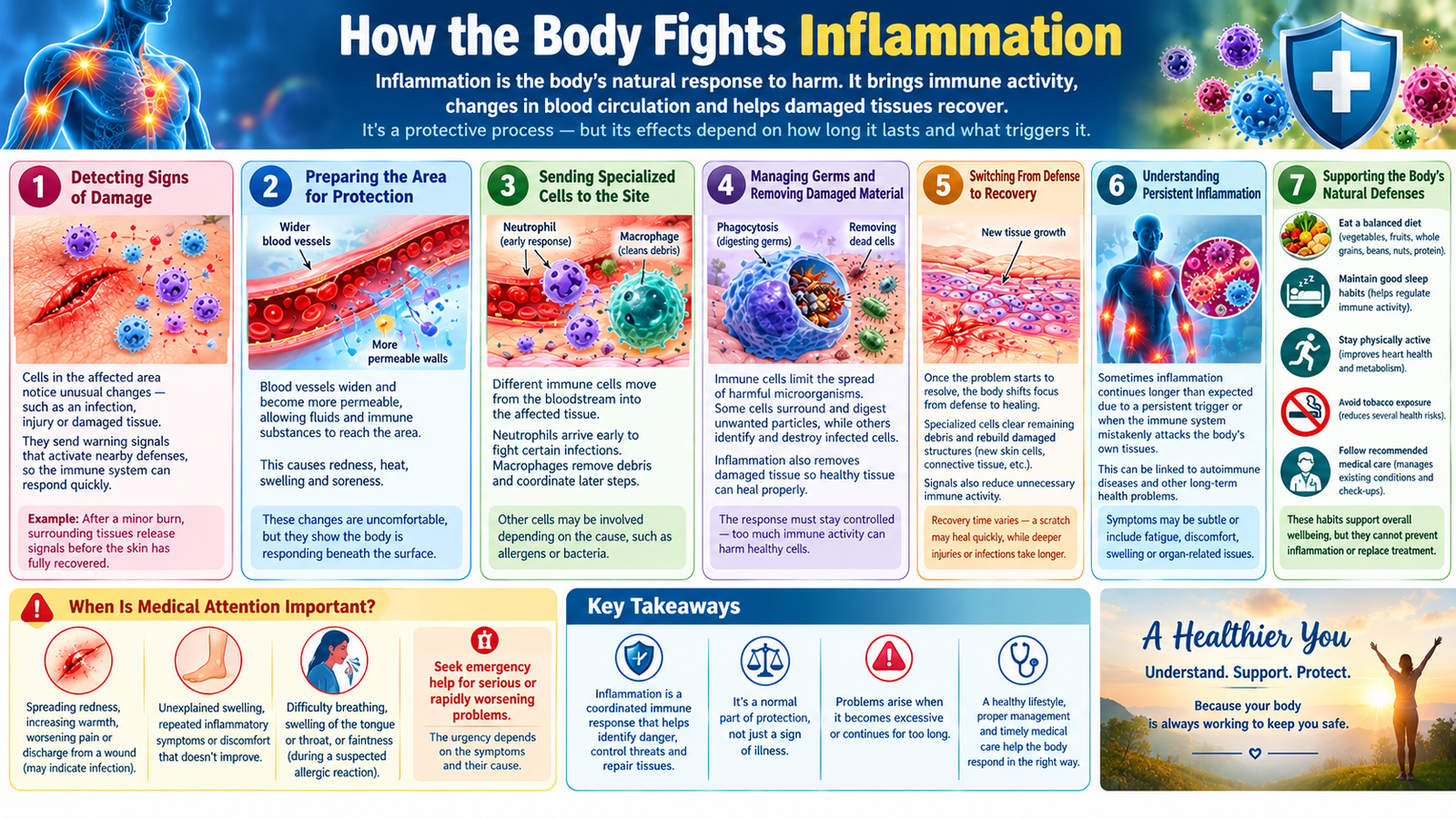
Very protective and good suggestions to be healthy
Osm