Introduction
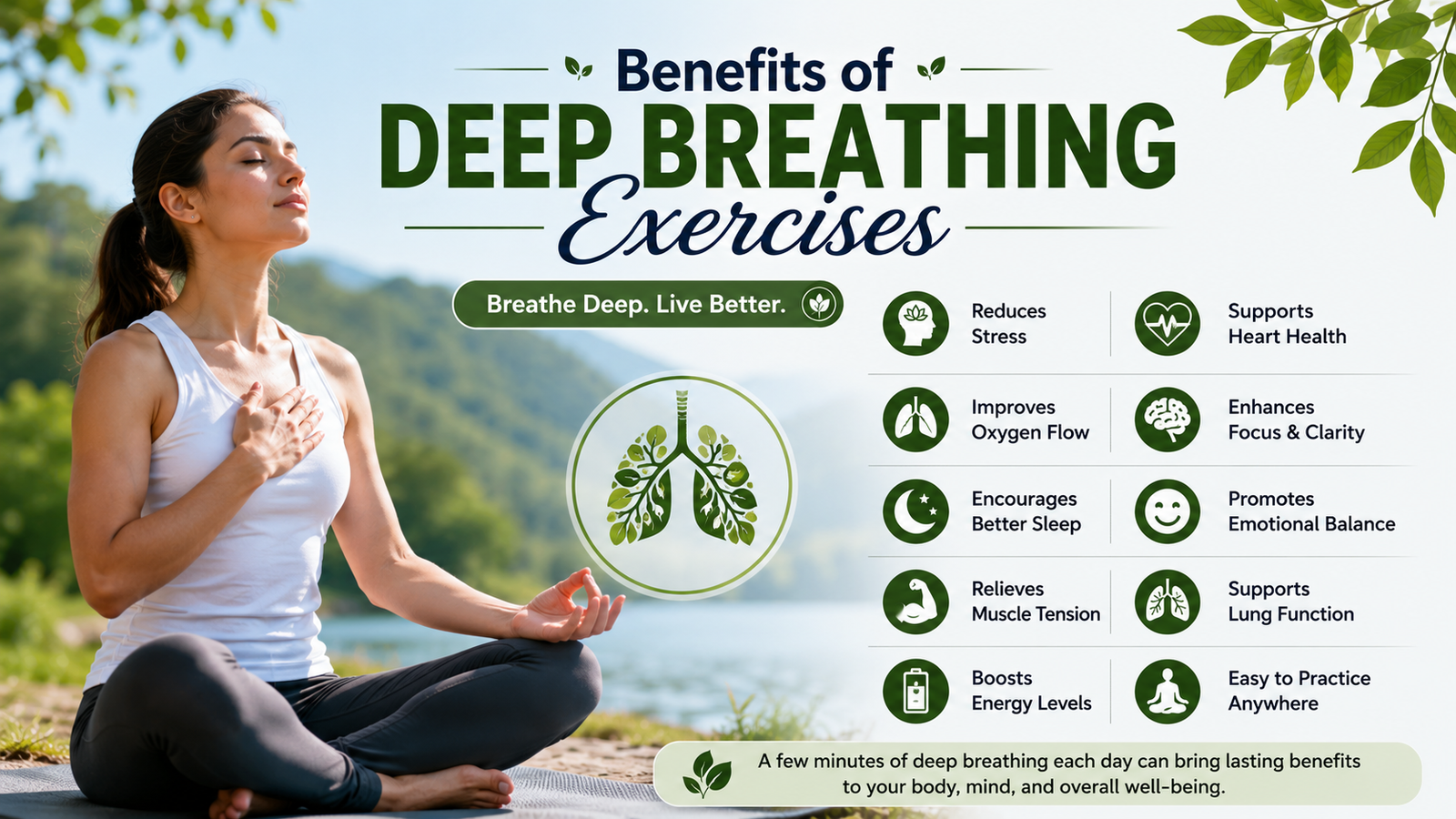
Breathing is something we do every moment without thinking, yet the way we breathe can have a significant impact on our overall health. Deep breathing exercises involve slow, controlled breaths that allow the lungs to expand fully and increase oxygen delivery throughout the body. Unlike shallow breathing, deep breathing helps activate the body’s natural relaxation response, making it a simple and effective practice for improving both physical and mental well-being.
Whether practiced for a few minutes each day or during stressful situations, deep breathing can become a valuable habit that supports long-term health.
1. Helps Reduce Stress
Deep breathing is one of the easiest ways to calm the mind during stressful moments. Slow, controlled breathing signals the nervous system to relax, helping reduce feelings of tension and emotional pressure.
Practicing deep breathing regularly can make it easier to manage everyday challenges with a calmer mindset.
2. Supports Better Heart Health
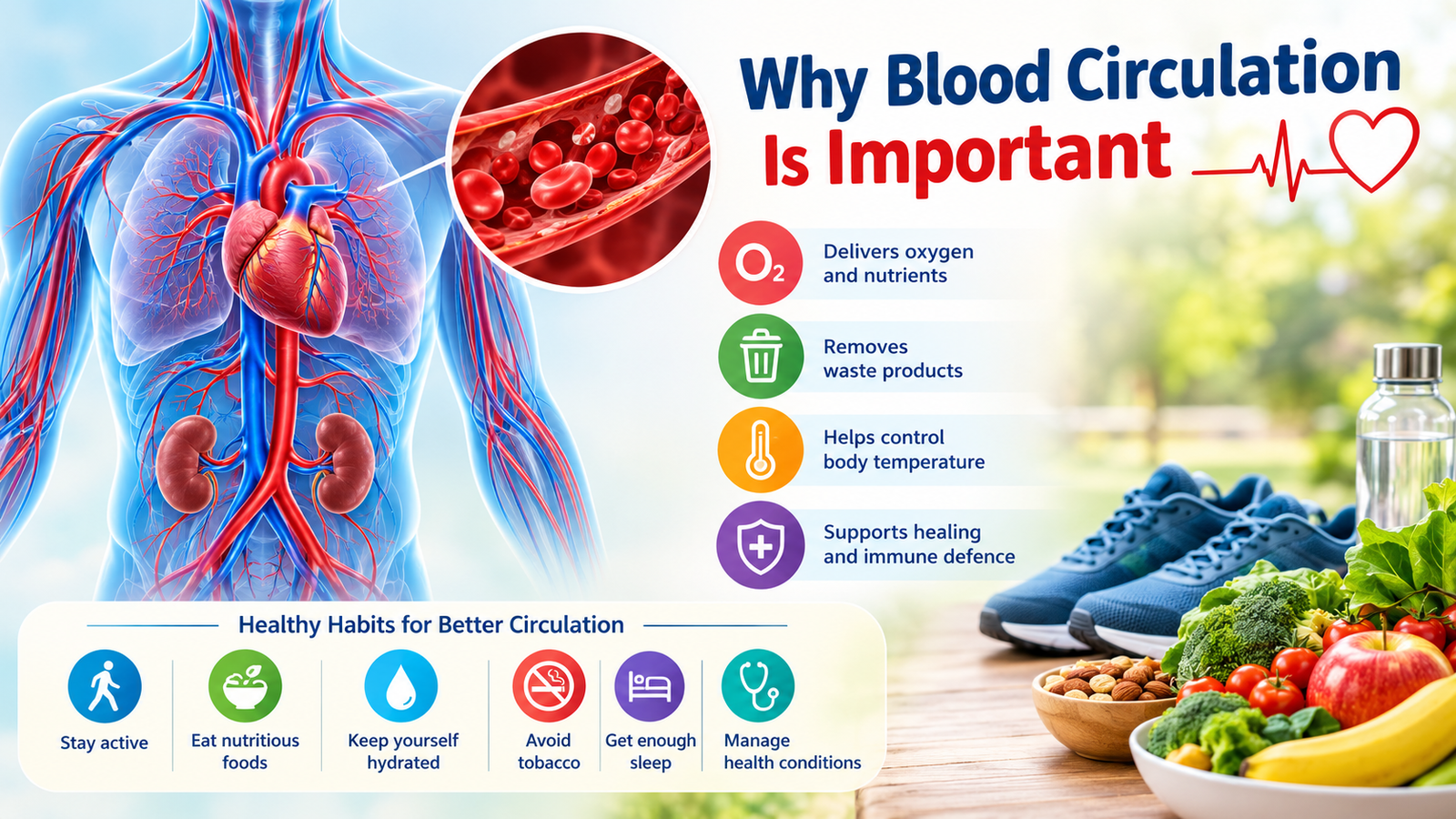
Controlled breathing may help maintain healthy blood circulation and support normal heart function. Relaxed breathing encourages the body to remain calm, which can contribute to healthy cardiovascular wellness when combined with an active lifestyle.
3. Improves Oxygen Supply
Deep breathing allows the lungs to fill more completely, increasing the amount of oxygen delivered to the body’s tissues and organs. Better oxygen supply helps cells perform their functions efficiently and supports overall energy production.
This simple practice helps the body work more effectively throughout the day.3
4. Enhances Mental Clarity and Focus
When the brain receives adequate oxygen, concentration and mental performance often improve. Deep breathing can help clear distracting thoughts, improve attention, and support better decision-making.
Many people use breathing exercises before studying, working, or performing important tasks to improve focus.
5. Encourages Better Sleep
Practicing deep breathing before bedtime helps relax both the body and mind. Slow breathing reduces physical tension and promotes a peaceful state that may make it easier to fall asleep and enjoy restful sleep throughout the night.
Good sleep supports overall physical and emotional health.
6. Promotes Emotional Balance
Deep breathing helps regulate emotional responses by creating a sense of calm. It can help reduce feelings of frustration, nervousness, or overwhelm while encouraging patience and emotional stability.
Regular practice supports healthier emotional well-being over time.
7. Supports Lung Function
Deep breathing encourages the lungs to expand fully, helping maintain healthy lung capacity and efficient breathing patterns. It also promotes better movement of air through the respiratory system.
Healthy lungs play an essential role in maintaining overall wellness.
8. Relieves Muscle Tension
Stress often causes muscles to tighten, particularly in the neck, shoulders, and back. Deep breathing encourages relaxation, which may help reduce muscle tightness and improve overall comfort.
Combining breathing exercises with gentle stretching can further support muscle relaxation.
9. Increases Energy Levels
Better oxygen circulation allows the body to produce energy more efficiently. Many people feel refreshed and more alert after practicing deep breathing, especially during periods of mental or physical fatigue.
Even a few minutes of mindful breathing can help improve daily energy levels.
10. Easy to Practice Anywhere
One of the greatest benefits of deep breathing is its simplicity. It requires no special equipment and can be practiced at home, at work, while traveling, or during short breaks.
Making deep breathing part of your daily routine is an easy way to support long-term health.
Simple Tips for Practicing Deep Breathing
- Sit or stand in a comfortable position.
- Relax your shoulders and neck.
- Breathe in slowly through your nose.
- Allow your lungs to fill completely.
- Exhale gently through your mouth.
- Repeat for 5–10 minutes each day.
- Practice regularly for the best results.
Conclusion
Deep breathing exercises are a simple yet powerful way to improve physical and mental well-being. They help reduce stress, improve oxygen supply, support heart and lung health, enhance concentration, encourage restful sleep, and promote emotional balance. Because they require no equipment and only a few minutes each day, deep breathing exercises are easy to include in any lifestyle.
Developing this healthy habit can contribute to greater relaxation, improved energy, and better overall wellness for years to come.
Verification Code: DB6R8KM41PX
Do the exercises
Such a good website,by this people should get know healthy habits, precautions and all