Introduction
Pregnancy is a remarkable journey during which a mother’s nutritional choices play a vital role in supporting both her own health and her baby’s growth. Every meal provides essential nutrients that help build the baby’s organs, bones, brain, and immune system while also supplying the mother with the energy needed to meet the physical demands of pregnancy.
A balanced diet does not mean eating significantly more food—it means making healthier food choices that provide the right nutrients at the right time. Good nutrition throughout pregnancy supports healthy development and contributes to a healthier pregnancy experience.
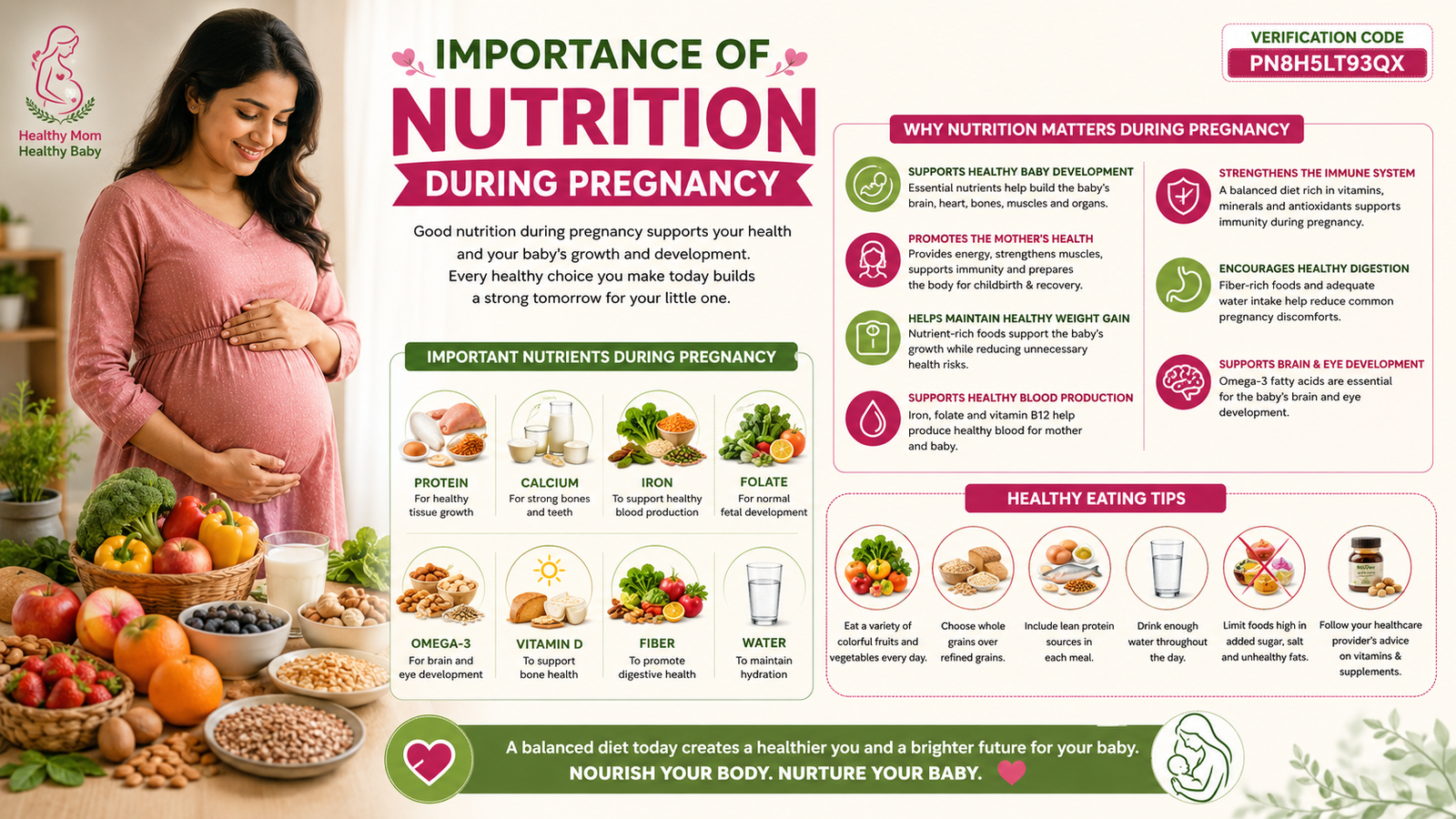
Why Nutrition Matters During Pregnancy
During pregnancy, the body works harder to nourish the growing baby. Essential nutrients are needed to support cell growth, hormone production, healthy blood circulation, and the development of vital organs. A nutritious diet also helps the mother’s body adapt to the many physical changes that occur throughout pregnancy.
Supports Healthy Baby Development
A variety of nutrient-rich foods provides proteins, vitamins, minerals, and healthy fats that support the baby’s growth. Proper nutrition contributes to the healthy development of the brain, heart, bones, muscles, and other organs throughout pregnancy.
Promotes the Mother’s Health
A well-balanced diet helps maintain energy levels and supports the mother’s overall well-being. Proper nutrition also assists in maintaining healthy muscles, bones, and immune function while helping the body prepare for childbirth and recovery.
Helps Maintain Healthy Weight Gain
Healthy weight gain during pregnancy supports the baby’s growth while reducing unnecessary health risks. Choosing nutritious foods instead of highly processed snacks helps meet increased nutritional needs without excessive calorie intake.
Supports Healthy Blood Production
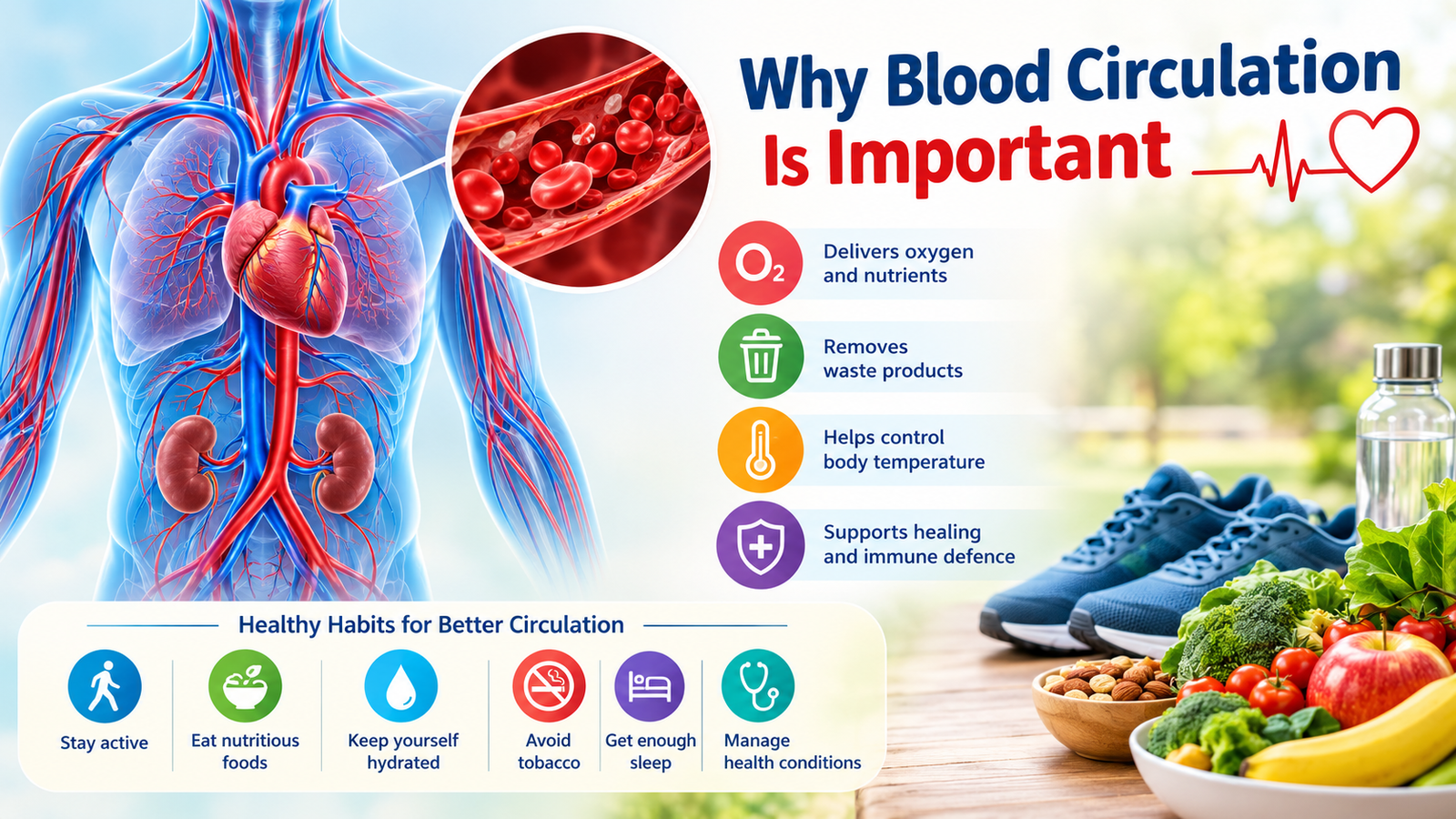
Pregnancy increases the body’s need for nutrients involved in producing healthy blood. Including foods rich in iron, folate, and vitamin B12 helps support oxygen delivery to both the mother and the developing baby.
Strengthens the Immune System
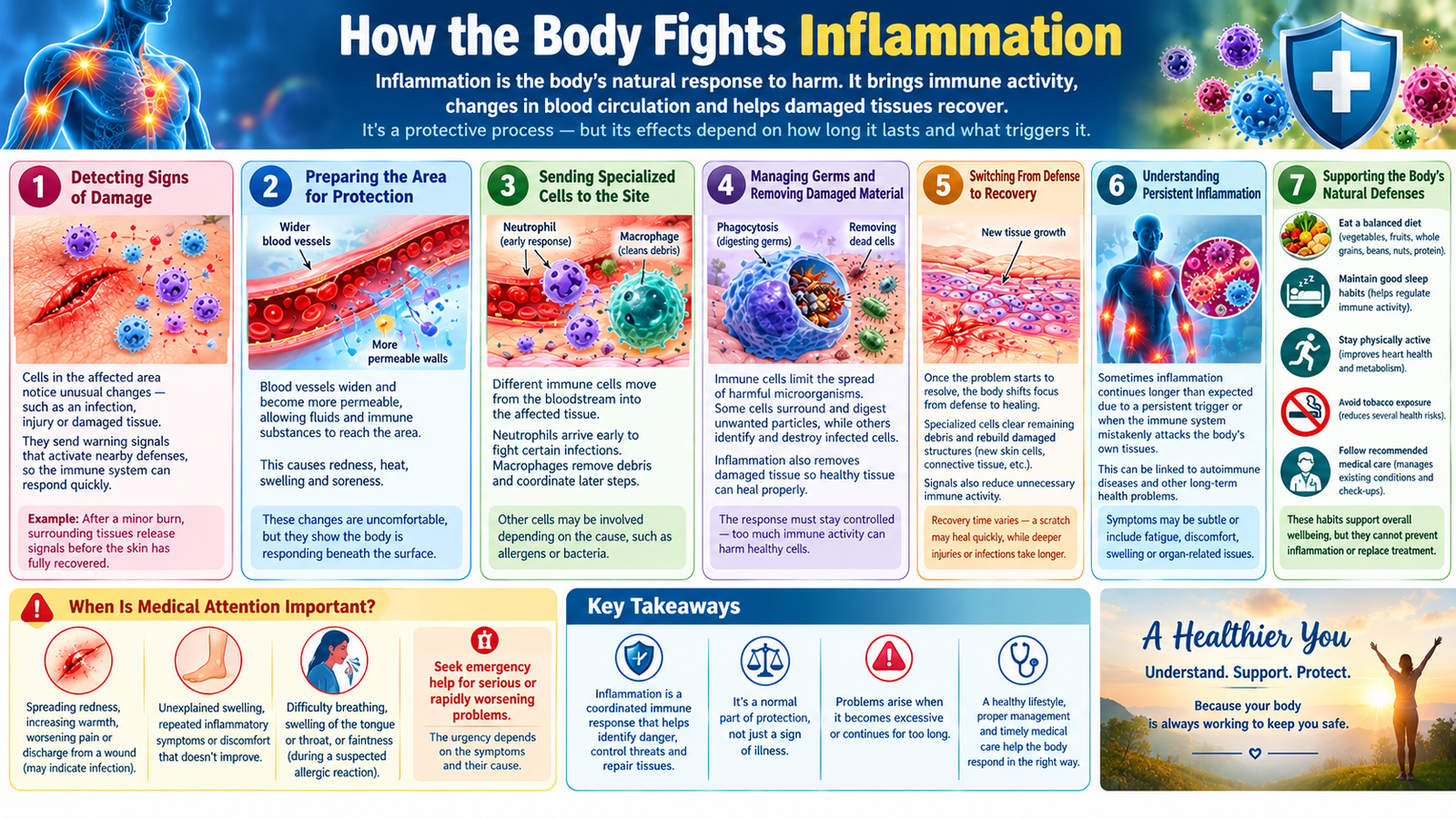
Eating a balanced diet filled with fruits, vegetables, whole grains, lean proteins, and healthy fats provides antioxidants and essential vitamins that support immune health during pregnancy.
Encourages Healthy Digestion
Foods rich in fiber, along with adequate water intake, support healthy digestion and regular bowel movements. Good digestive health can help reduce common pregnancy discomforts such as constipation.
Important Nutrients During Pregnancy
A healthy pregnancy diet should include:
- Protein for healthy tissue growth.
- Calcium for strong bones and teeth.
- Iron to support healthy blood production.
- Folate for normal fetal development.
- Omega-3 fatty acids for brain and eye development.
- Vitamin D to support bone health.
- Fiber to promote digestive health.
- Plenty of water to maintain hydration.
Healthy Eating Tips
- Eat a variety of colorful fruits and vegetables every day.
- Choose whole grains over refined grains.
- Include lean protein sources in each meal.
- Drink enough water throughout the day.
- Limit foods high in added sugar, salt, and unhealthy fats.
- Follow your healthcare provider’s advice regarding prenatal vitamins and supplements.
Conclusion
Proper nutrition during pregnancy is one of the most important investments in both maternal and baby health. A balanced diet rich in essential nutrients supports healthy growth, provides lasting energy, strengthens the immune system, and prepares the body for childbirth and recovery. By making nutritious food choices every day, expectant mothers can help create the best possible foundation for their baby’s healthy future.
Verification Code
PN8H5LT93QX