Introduction
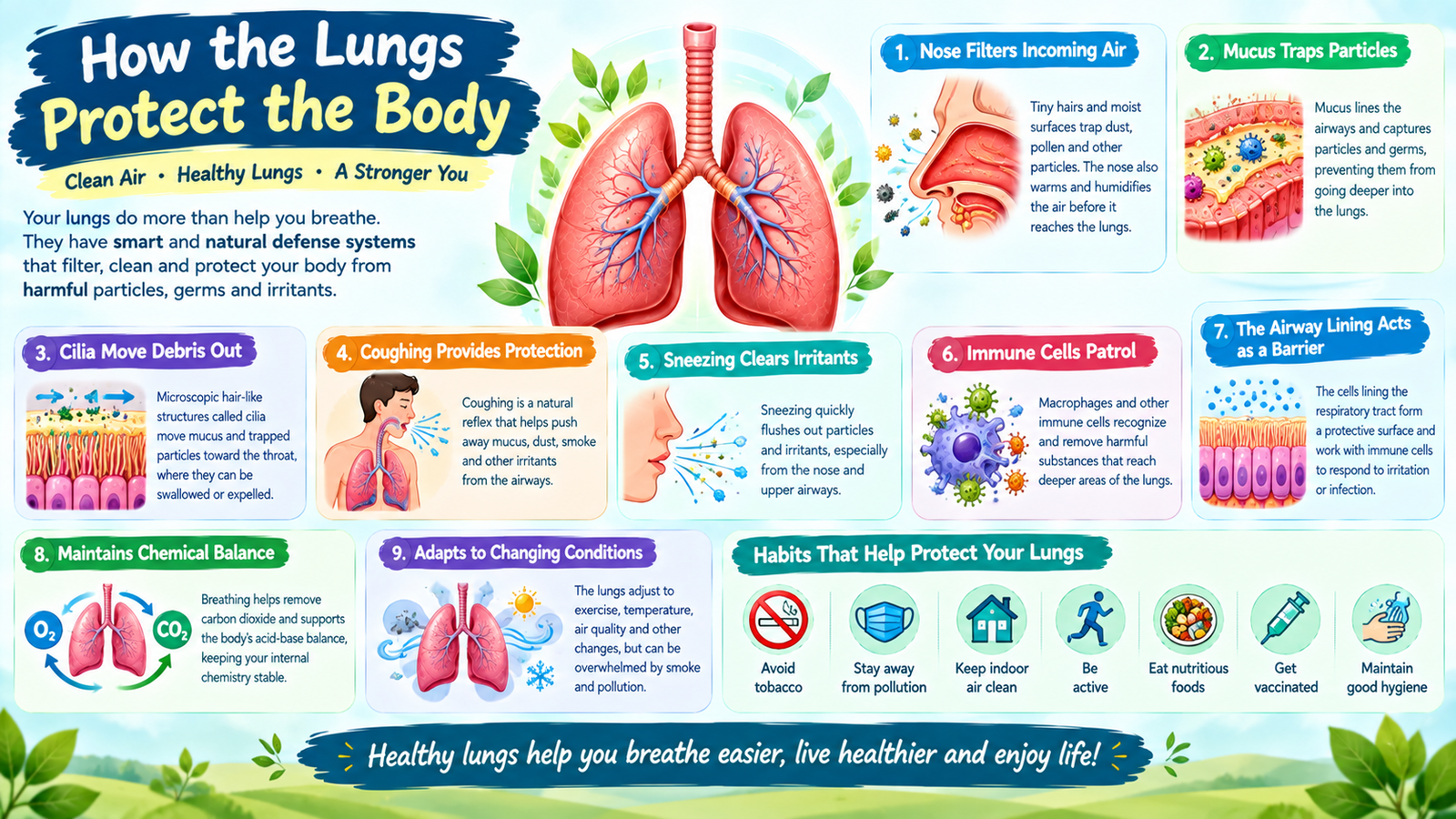
The lungs are best known for bringing oxygen into the body and removing carbon dioxide, but their role goes beyond breathing. Every breath brings air into contact with delicate tissues, so the respiratory system has several built-in defenses that help keep unwanted particles, germs, and irritants away from deeper parts of the lungs.
From the nose and airways to tiny immune cells inside the lungs, many protective mechanisms work together continuously. Supporting respiratory health through everyday habits can help these natural defenses function effectively.
The Lungs and Their Protective Role
When you breathe in, air travels through the nose or mouth, down the throat and windpipe, and into increasingly smaller airways. Eventually, it reaches tiny air sacs called alveoli, where oxygen moves into the bloodstream and carbon dioxide leaves it.
Before air reaches these delicate areas, the respiratory system uses several barriers and cleaning mechanisms to filter and remove unwanted material.
1. The Nose Filters Incoming Air
The nose provides the first major defense against particles entering the respiratory tract.
Tiny hairs and moist surfaces inside the nasal passages can trap dust, pollen, and other particles. The nose also helps warm and humidify incoming air before it travels deeper into the respiratory system.
Breathing through the nose when comfortable therefore provides more than simply a route for air.
2. Mucus Traps Unwanted Particles
The airways are lined with mucus, a sticky substance that can capture dust, microorganisms, and other particles.
Instead of allowing every inhaled substance to travel toward the lungs, mucus helps hold some of this material in place so it can be moved toward the throat and eventually removed.
Although mucus can sometimes seem unpleasant, it is an important component of the respiratory system’s protective machinery.
3. Tiny Cilia Move Debris Out
Many airway cells contain microscopic hair-like structures called cilia. These structures move in coordinated patterns and help transport mucus toward the throat.
This process is sometimes described as a self-cleaning conveyor system. Trapped particles can travel with the mucus and may then be swallowed or expelled through coughing or throat clearing.
4. Coughing Provides a Powerful Defense
Coughing is a natural protective reflex. When the airways become irritated by mucus, dust, smoke, or other substances, the body can trigger a forceful burst of air.
This helps push unwanted material out of the respiratory passages.
Although frequent coughing can indicate an underlying problem, an occasional cough is simply one of the body’s ways of protecting the airways.
5. Sneezing Helps Clear Irritants
Sneezing is another protective reflex, particularly involving the upper respiratory tract.
When the nasal passages detect certain irritants, the body can rapidly force air outward. This may help remove particles and other unwanted substances from the nose.
Together, sneezing, mucus production, and nasal filtration create an important first line of respiratory defense.
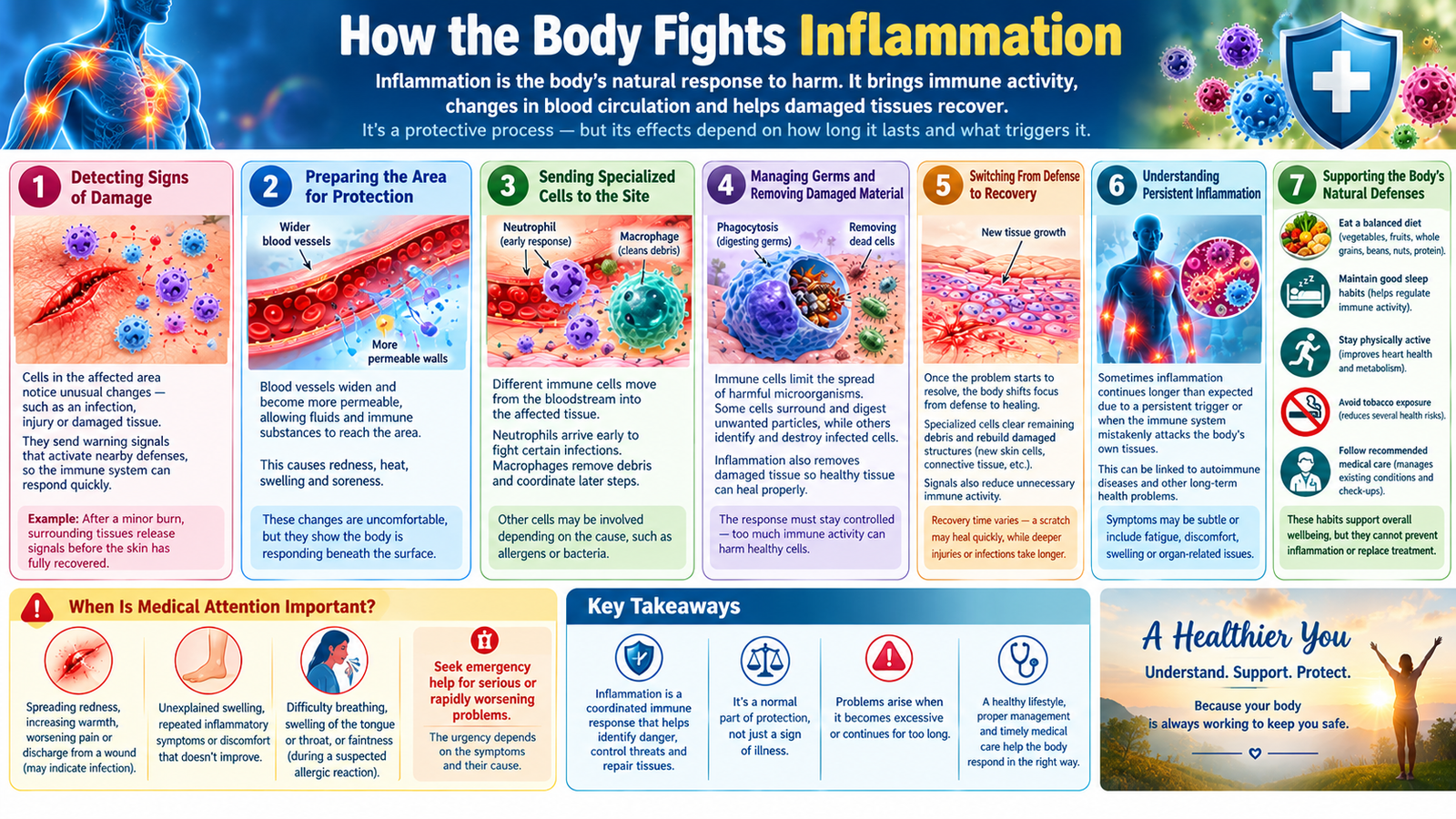
6. Immune Cells Patrol the Lungs
Not everything can be removed by mucus and cilia. Some particles and microorganisms can reach deeper areas of the respiratory system.
The lungs therefore contain immune cells that can recognize and respond to potentially harmful material. Macrophages, for example, can engulf certain particles and microorganisms.
This local immune activity adds another layer of protection beyond the mechanical cleaning performed by the airways.
7. The Airway Lining Acts as a Barrier
The cells lining the respiratory tract form a protective surface between inhaled substances and deeper tissues.
These cells do more than create a physical boundary. They also participate in communication with immune cells and can respond to irritation or infection.
Keeping this lining healthy is therefore an important part of maintaining normal respiratory defenses.
8. The Lungs Help Maintain the Body’s Chemical Balance
Breathing also contributes to the regulation of the body’s acid-base balance.
When cells produce carbon dioxide during normal metabolism, the blood carries it to the lungs. Breathing then removes carbon dioxide from the body.
By adjusting breathing, the respiratory system participates in keeping blood chemistry within an appropriate range.
9. The Respiratory System Can Adapt to Different Conditions
The lungs and airways constantly respond to changes in the environment. Physical activity increases the body’s demand for oxygen, while changes in temperature, air quality, and airborne particles can influence breathing.
The respiratory system adjusts airflow and other protective responses according to these changing circumstances.
However, the lungs have limits. Heavy exposure to smoke, polluted air, and other irritants can overwhelm their defenses.
Habits That Help Protect the Lungs
The body’s respiratory defenses work automatically, but lifestyle choices can reduce unnecessary stress on the lungs.
Helpful habits include:
- Avoiding smoking and tobacco products
- Staying away from secondhand smoke
- Reducing exposure to heavy air pollution when possible
- Keeping indoor spaces adequately ventilated
- Following workplace safety measures around dust or chemical fumes
- Washing hands regularly
- Staying physically active
- Maintaining a nutritious diet
- Getting recommended vaccinations
- Seeking medical attention for persistent breathing problems
Why Avoiding Smoke Matters
Smoke contains numerous substances that can irritate and damage respiratory tissues. Long-term exposure can interfere with the normal cleaning action of cilia and place additional stress on the lungs.
Avoiding tobacco smoke is therefore one of the most important steps a person can take to protect respiratory health.
People who already smoke can benefit from quitting, regardless of how long they have smoked.
Exercise and Lung Health
Regular physical activity makes the heart, muscles, and respiratory system work together more efficiently. Activities such as walking, cycling, swimming, or other suitable exercises can improve overall physical fitness.
Exercise does not literally “clean” the lungs, but maintaining good fitness can help the body use oxygen effectively and support healthy breathing capacity.
People with existing respiratory conditions should choose activities appropriate for their health and follow medical advice when necessary.
When to Pay Attention to Breathing Changes
Occasional coughing or shortness of breath after strenuous activity may have an ordinary explanation. Persistent or unexplained respiratory symptoms deserve more attention.
Seek appropriate medical advice for symptoms such as:
- Ongoing cough
- Repeated wheezing
- Persistent shortness of breath
- Chest discomfort
- Coughing up blood
- Breathing difficulties that interfere with normal activities
Early evaluation can help identify the underlying cause rather than assuming that symptoms are simply due to poor fitness or a temporary irritation.
Conclusion
The lungs are not passive organs that simply move air in and out. They are equipped with several protective systems, including nasal filtration, mucus, cilia, coughing, sneezing, airway barriers, and immune cells.
These defenses work together to reduce the amount of harmful material that reaches delicate lung tissue while also helping the body exchange gases and regulate its internal chemistry.
Protecting the lungs means supporting these natural defenses and reducing avoidable exposure to harmful substances. Avoiding tobacco smoke, staying active, practicing good hygiene, maintaining healthy indoor air, and paying attention to persistent respiratory symptoms are practical ways to care for the respiratory system.
Verification Code: LU8Q5XM42RP