Introduction
Imagine waking up every morning feeling unusually tired even after a full night’s sleep. You notice that climbing stairs feels more difficult than before, your muscles seem weaker, and minor body aches have become part of your daily routine. Many people assume these changes are simply caused by age, stress, or a busy lifestyle. However, in some cases, they may be linked to low levels of vitamin D.
Vitamin D is often called the “sunshine vitamin” because the body naturally produces it when the skin is exposed to sunlight. Although it receives less attention than many other nutrients, vitamin D is essential for maintaining healthy bones, muscles, and the immune system. Since deficiency usually develops gradually, identifying its early warning signs can help people take action before more serious health problems arise.
Understanding Vitamin D
Vitamin D is a nutrient that supports several important processes inside the body. One of its main functions is helping the body absorb calcium and phosphorus, two minerals that keep bones and teeth strong. It also contributes to healthy muscle function, supports the immune system, and helps maintain normal nerve activity.
Unlike most vitamins, vitamin D can be produced naturally by the body when sunlight reaches the skin. It is also available in certain foods and dietary supplements when needed.
Why Deficiency Is Becoming More Common
Modern lifestyles have changed the amount of time people spend outdoors. Many individuals work indoors for most of the day, travel in vehicles instead of walking, and spend leisure time using computers or mobile phones. These habits reduce exposure to sunlight, making vitamin D deficiency increasingly common.
Other factors, including limited dietary intake, increasing age, and certain health conditions, can also reduce vitamin D levels over time.
Early Warning Signs
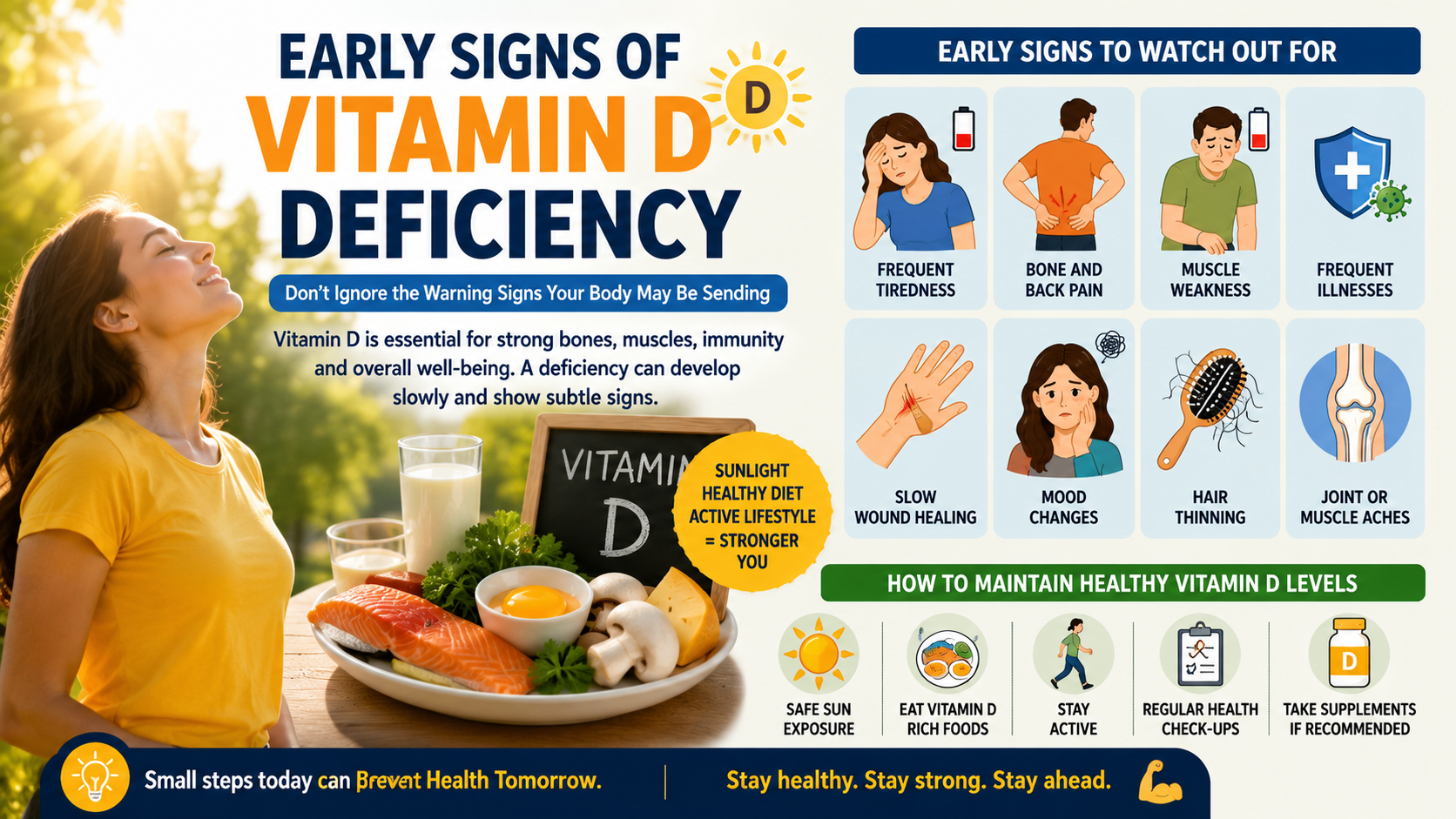
Constant Fatigue
One of the earliest changes people may notice is feeling unusually tired throughout the day. Even after getting enough sleep, daily activities may seem more exhausting than usual. While fatigue has many possible causes, vitamin D deficiency may be one contributing factor.
Muscle Weakness
Low vitamin D levels can affect normal muscle performance. Everyday tasks such as lifting objects, climbing stairs, or walking long distances may become more difficult because the muscles do not function as efficiently.
Persistent Bone Discomfort
Vitamin D plays a key role in maintaining healthy bones. When levels become too low, some individuals experience ongoing discomfort in the lower back, hips, legs, or ribs. These aches may begin gradually and become more noticeable over time.
Frequent Illness
The immune system depends on adequate nutrition to function properly. People with insufficient vitamin D sometimes notice they catch common infections more often or take longer to recover from illnesses.
Slower Recovery from Minor Injuries
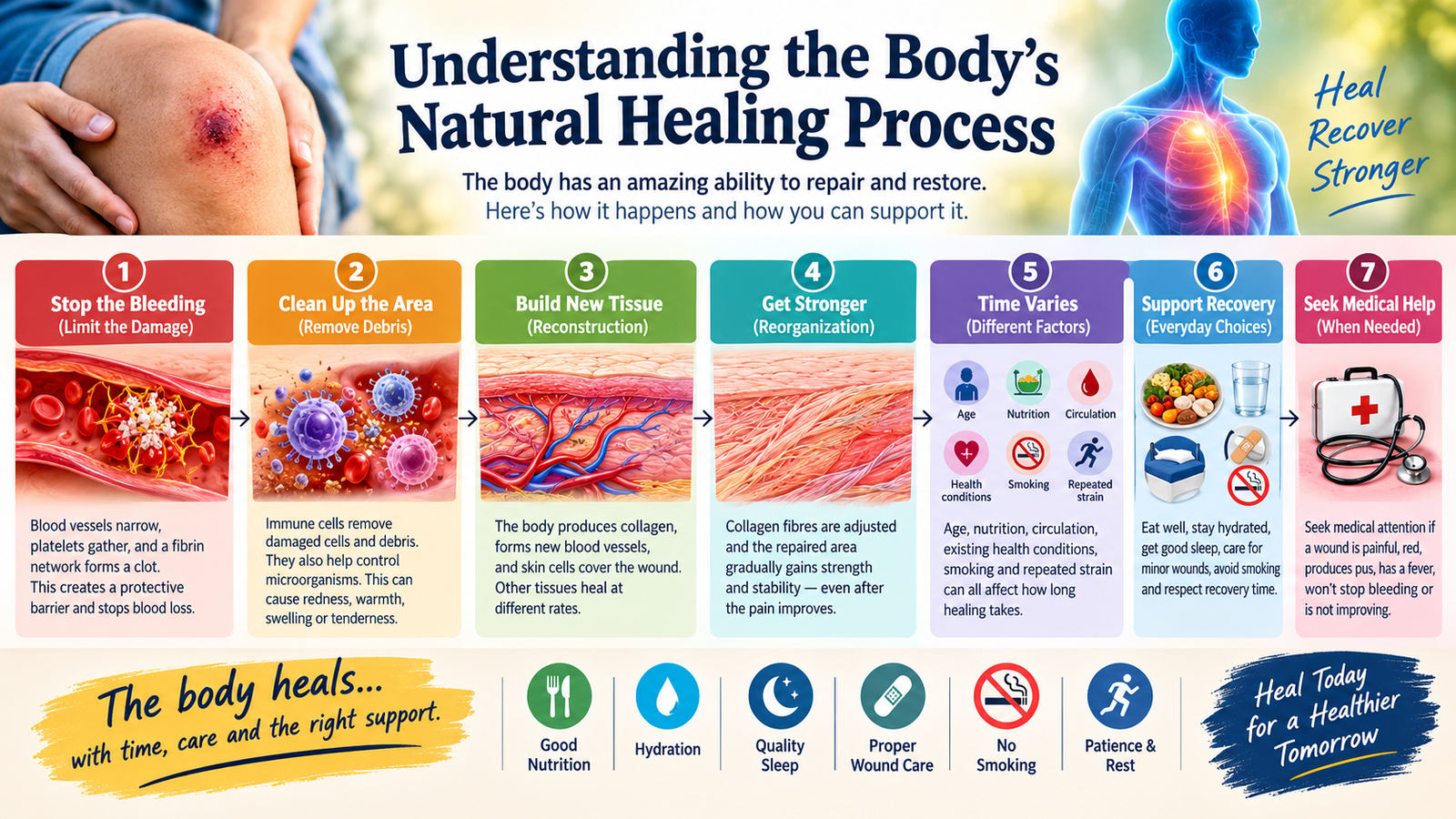
Small cuts or scratches usually heal naturally within a short period. If healing seems unusually slow, it may indicate that the body is not functioning at its best. Several health factors influence wound healing, and vitamin D is one of them.
Changes in Mood
Some individuals report reduced motivation, low energy, or changes in emotional well-being when vitamin D levels are low. Although mood is influenced by many different factors, maintaining healthy vitamin D levels supports overall wellness.
Hair Loss
Occasional hair shedding is normal, but ongoing hair thinning should not be ignored. While many medical and nutritional factors may contribute, inadequate vitamin D is one possible cause that should be evaluated by a healthcare professional.
Who Faces a Higher Risk?
Certain individuals are more likely to develop vitamin D deficiency than others.
People who spend very little time outdoors often produce less vitamin D naturally. Older adults may also have reduced ability to produce vitamin D through sunlight. Individuals with darker skin pigmentation may require longer sun exposure because melanin reduces vitamin D production.
People whose diets contain very few vitamin D-rich foods may also be at greater risk. Certain digestive disorders and medical conditions can further reduce the body’s ability to absorb this important nutrient.
Natural Ways to Maintain Healthy Vitamin D Levels
Spend Time Outdoors
Safe and moderate exposure to sunlight remains one of the most effective natural ways to support vitamin D production. The amount of sunlight required varies depending on climate, season, skin type, and individual circumstances.
Include Vitamin D-Rich Foods
Foods such as oily fish, egg yolks, fortified dairy products, fortified cereals, mushrooms exposed to ultraviolet light, and fortified plant-based beverages can help increase dietary vitamin D intake.
Stay Active
Regular physical activity supports bone strength, muscle health, and overall well-being. Outdoor activities provide the additional advantage of natural sunlight exposure.
Seek Medical Advice When Needed
Anyone experiencing persistent symptoms should consult a qualified healthcare professional. A simple blood test can determine vitamin D levels and help decide whether dietary changes or supplements are appropriate. Supplements should only be taken under professional guidance.
Simple Habits That Support Better Health
Maintaining vitamin D levels is easier when combined with healthy daily habits. Eating balanced meals, exercising regularly, sleeping adequately, staying hydrated, and attending routine medical check-ups all contribute to overall health and help reduce nutritional deficiencies.
Rather than waiting until symptoms become severe, paying attention to small changes in the body allows earlier action and better long-term outcomes.
Conclusion
Vitamin D quietly supports many important functions that keep the body healthy. Because deficiency often develops slowly, its early symptoms are frequently overlooked or mistaken for everyday tiredness. Persistent fatigue, muscle weakness, bone discomfort, frequent illnesses, and slow recovery from injuries are signs that deserve attention.
Maintaining healthy vitamin D levels through sensible sun exposure, nutritious food choices, an active lifestyle, and professional medical guidance can help protect bone health, strengthen immunity, and improve overall well-being. Small preventive steps taken today can make a significant difference to future health.
Verification Code: VD8P5XT72LM