Introduction
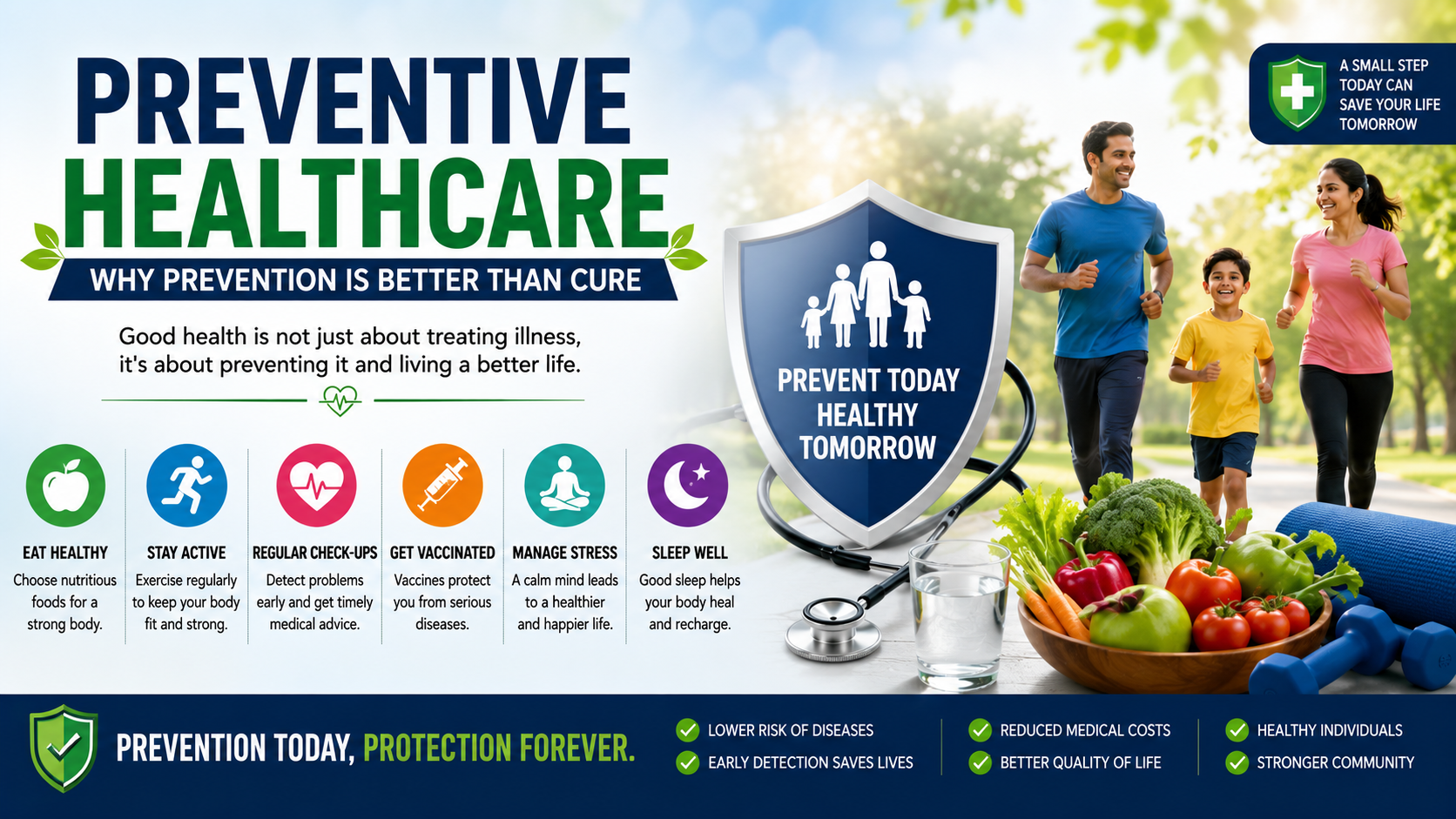
Maintaining good health is not only about treating illnesses after they occur but also about taking steps to prevent them in the first place. Preventive healthcare focuses on protecting health through healthy habits, regular medical check-ups, vaccinations, and early detection of diseases. The well-known saying, “Prevention is better than cure,” reflects an important truth: preventing a disease is often easier, safer, and less expensive than treating it after it develops.
In today’s world, many health problems such as diabetes, heart disease, obesity, and high blood pressure are linked to lifestyle choices. By adopting preventive healthcare practices, individuals can reduce their risk of illness, improve their quality of life, and enjoy better physical and mental well-being.
What Is Preventive Healthcare?
Preventive healthcare refers to actions taken to avoid diseases, detect health problems early, and maintain overall wellness. Instead of waiting for symptoms to appear, preventive care encourages regular monitoring of health and making positive lifestyle choices.
Preventive healthcare includes healthy eating, regular physical activity, vaccinations, health screenings, good personal hygiene, stress management, adequate sleep, and avoiding harmful habits such as smoking and excessive alcohol consumption.
The goal is to keep the body healthy and reduce the chances of developing serious medical conditions.
Why Prevention Is Better Than Cure
Treating advanced diseases often requires lengthy medical care, medications, surgeries, and significant financial costs. In contrast, many illnesses can be prevented through simple daily habits and routine medical care.
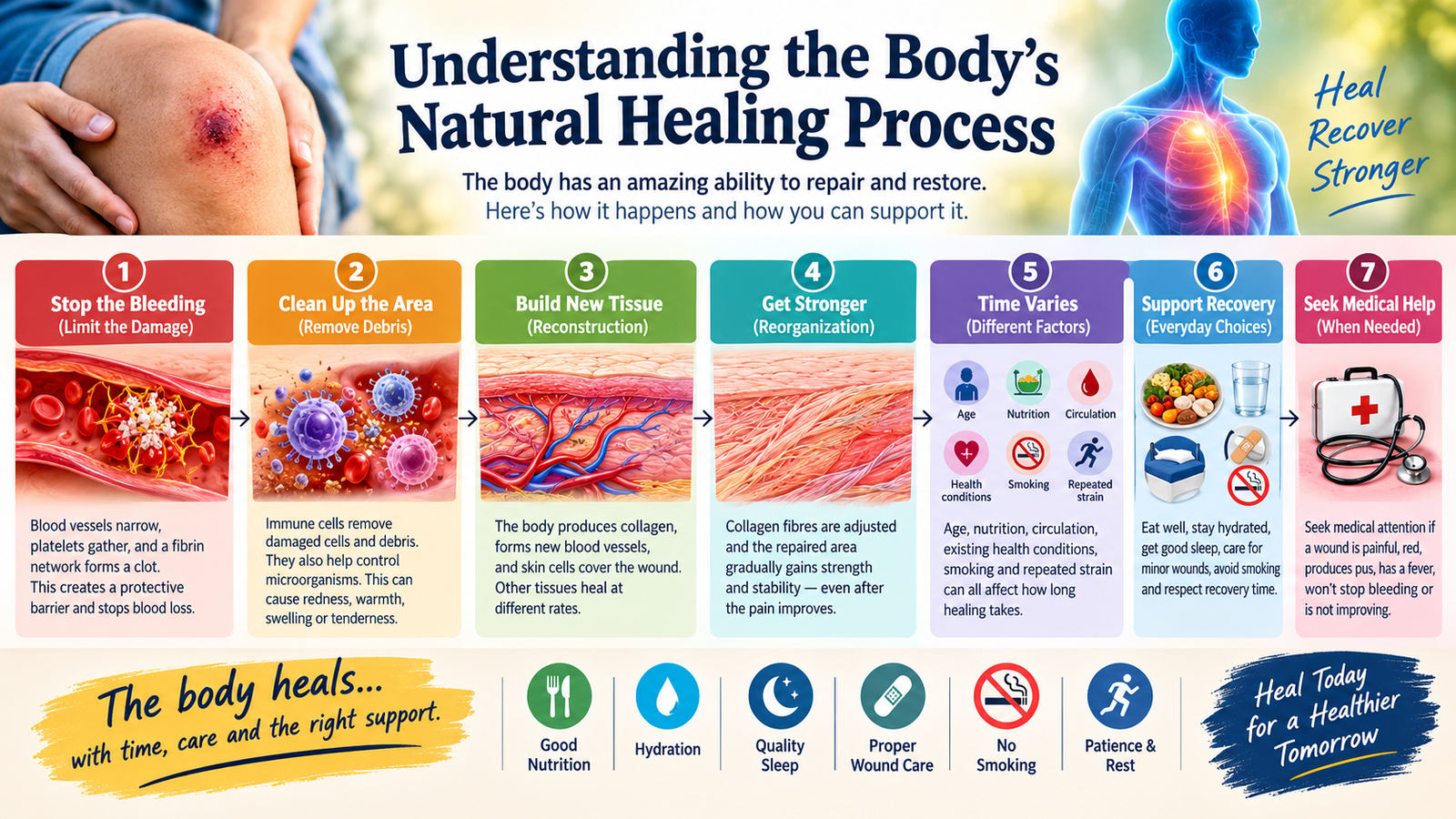
Early prevention reduces complications, shortens recovery time, and improves long-term health outcomes. It also helps people remain active, productive, and independent throughout their lives.
Preventive healthcare benefits not only individuals but also families and communities by reducing the overall burden on healthcare systems.
Key Components of Preventive Healthcare
Healthy Nutrition
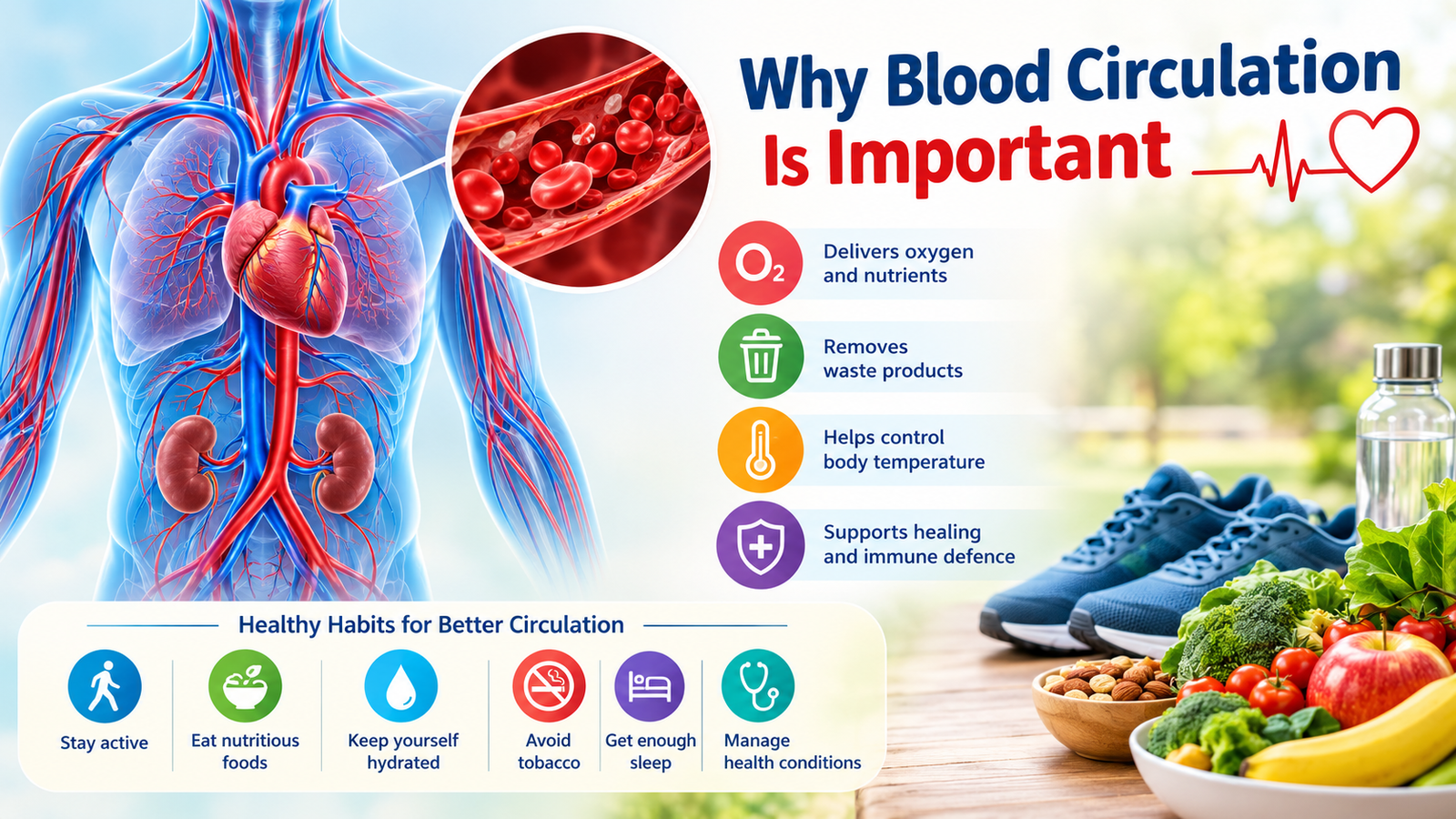
A balanced diet provides the vitamins, minerals, proteins, healthy fats, and fiber needed for proper body function. Eating plenty of fruits, vegetables, whole grains, legumes, and lean protein supports immunity and lowers the risk of many chronic diseases.
Regular Physical Activity
Exercise strengthens the heart, muscles, bones, and lungs while helping maintain a healthy body weight. Walking, cycling, swimming, yoga, and other physical activities also improve mental health and reduce stress.
Routine Medical Check-ups
Regular health examinations help detect conditions such as high blood pressure, diabetes, and high cholesterol before noticeable symptoms develop. Early diagnosis allows timely treatment and prevents serious complications.
Vaccinations
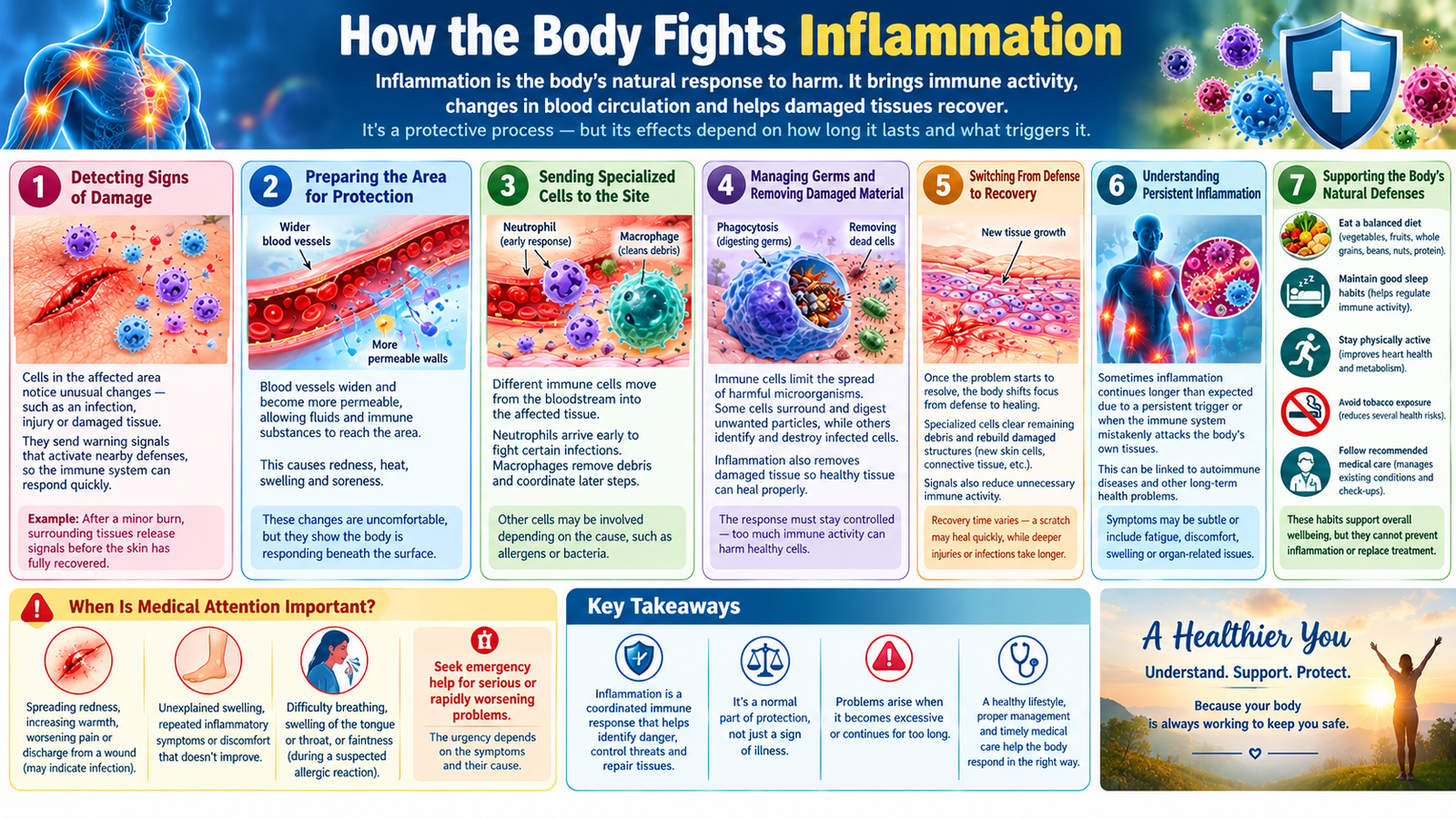
Vaccines help protect individuals from several infectious diseases by preparing the immune system to recognize and fight harmful microorganisms. Following recommended vaccination schedules contributes to both personal and community health.
Quality Sleep
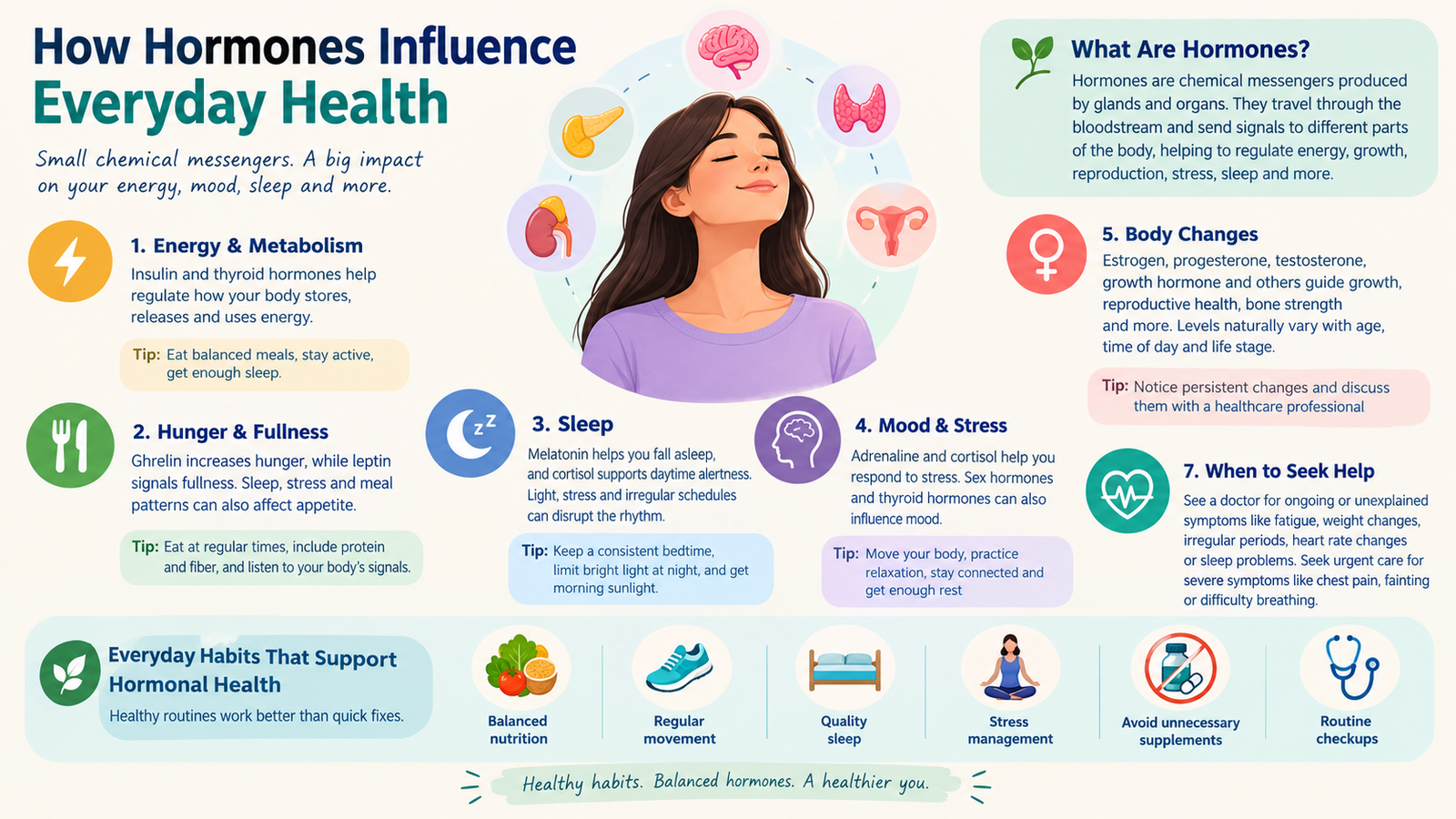
Adequate sleep allows the body to repair tissues, regulate hormones, strengthen immunity, and improve brain function. Adults generally require seven to nine hours of quality sleep each night.
Stress Management
Long-term stress can negatively affect both physical and emotional health. Practicing relaxation techniques, meditation, hobbies, and maintaining supportive relationships can help manage stress effectively.
Personal Hygiene
Simple hygiene practices such as regular handwashing, oral care, safe food handling, and maintaining cleanliness reduce the spread of infections and promote overall health.
Benefits of Preventive Healthcare
Adopting preventive healthcare practices offers numerous long-term advantages.
- Reduces the risk of chronic diseases.
- Detects health problems at an early stage.
- Improves life expectancy.
- Strengthens the immune system.
- Reduces medical expenses over time.
- Improves productivity and daily energy levels.
- Enhances physical and mental well-being.
- Supports a better quality of life.
These benefits demonstrate that prevention is one of the most effective investments individuals can make in their health.
Everyday Habits That Support Prevention
Preventive healthcare begins with simple daily choices.
- Eat balanced meals.
- Stay physically active.
- Drink enough water.
- Avoid tobacco products.
- Limit sugary foods and processed snacks.
- Get enough sleep.
- Practice good hygiene.
- Attend routine medical check-ups.
- Follow medical advice when necessary.
- Maintain a healthy body weight.
Although these habits may appear small individually, together they contribute significantly to long-term health.
The Role of Families and Communities
Families, schools, workplaces, and communities all play important roles in promoting preventive healthcare. Parents can encourage children to develop healthy eating habits and participate in regular physical activity from an early age.
Schools can provide health education and opportunities for sports, while workplaces can promote employee wellness through health awareness programs and regular screenings.
Community support makes healthy choices easier and encourages individuals to maintain positive lifestyle habits.
Conclusion
Preventive healthcare is one of the most effective ways to protect health and reduce the risk of disease. Rather than waiting for illness to occur, individuals can improve their well-being through balanced nutrition, regular exercise, quality sleep, stress management, routine health check-ups, vaccinations, and good hygiene.
Small daily actions often produce lifelong benefits. By making prevention a priority, people can enjoy healthier lives, reduce medical expenses, improve productivity, and lower the risk of serious health problems. Investing in preventive healthcare today creates the foundation for a stronger, healthier, and more fulfilling future.
Verification Code: PH8Q5XT71LM