Introduction
Your body encounters countless microorganisms every day. They may enter through the air you breathe, the food you eat, or a small cut on your skin. Most of the time, you remain unaware of these encounters because your immune system is constantly working to identify potential threats and protect your tissues.
White blood cells are important members of this defence system. They travel through the bloodstream and surrounding tissues, recognize signs of infection or injury, and help organize protective responses. Although they make up only a small portion of your blood, their different types perform several specialized tasks.
Understanding these cells reveals why immunity depends on more than simply fighting germs after you become sick.
1. What Makes White Blood Cells Special?
White blood cells, also known as leukocytes, are immune cells produced mainly in the bone marrow. Some mature or develop further in organs and tissues associated with the immune system.
Unlike red blood cells, which primarily transport oxygen, white blood cells help the body respond to infections, abnormal cells, and certain forms of tissue damage.
They can move out of blood vessels and enter tissues where their activity is required. Different white blood cell types recognize threats in different ways, allowing the immune system to respond to a wide range of challenges.
Their numbers can also change during infections, inflammation, stress, and certain medical conditions.
2. Five Important Types of White Blood Cells
White blood cells are not a single uniform group. Each major type contributes differently to immune protection.
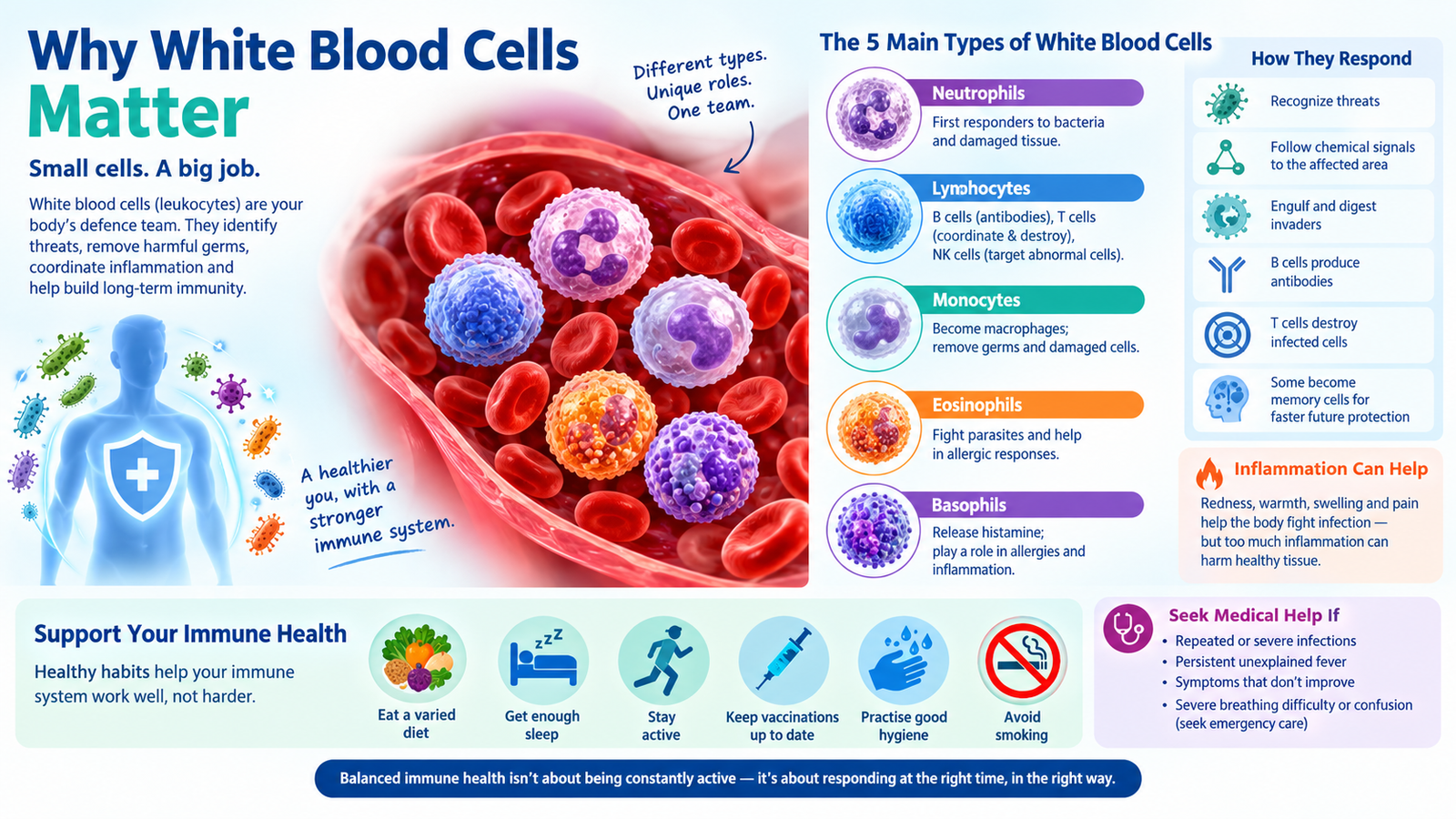
Neutrophils: These cells are often among the earliest responders to bacterial infections and damaged tissues. They can engulf and destroy microorganisms.
Lymphocytes: Lymphocytes consist of three major types of immune cells: B lymphocytes, T lymphocytes, and natural killer cells, each contributing to the body’s defence in different ways. B cells can produce antibodies, T cells help coordinate immune responses or destroy infected cells, and natural killer cells target certain infected or abnormal cells.
Monocytes: These cells circulate in the blood and can enter tissues, where they may develop into macrophages or other specialized cells. They help remove microorganisms, damaged cells, and unwanted material.
Eosinophils: These cells participate in defence against certain parasites and contribute to allergic conditions, including some forms of asthma.
Basophils: These cells release substances such as histamine and participate in allergic and inflammatory responses.
The balance and activity of these cells help the immune system respond appropriately. No single type can handle every threat independently.
3. How White Blood Cells Recognize and Respond to Threats
The immune system uses several methods to detect danger. Some white blood cells recognize common features of microorganisms, while other immune cells respond to specific targets.
When an infection develops, chemical signals can attract white blood cells to the affected area. Certain cells surround and digest invading organisms. Others release messages that activate additional immune responses.
B cells can develop into plasma cells that produce antibodies. These proteins attach to particular targets and help the immune system neutralize or remove them.
Some T cells destroy infected cells, while other T cells assist different immune cells in carrying out their functions.
After an infection has been controlled, the immune response usually becomes less active. Some lymphocytes remain as memory cells, helping the body respond more quickly if it encounters the same threat again.
4. Why Inflammation Can Be Helpful
Redness, warmth, swelling, and tenderness around an injury may appear unpleasant, but these changes can be part of the body’s normal inflammatory response.
Inflammation helps direct immune cells and other protective substances toward an affected area. This can support the removal of harmful organisms and damaged tissue.
However, inflammation must be regulated. An excessive or prolonged immune response can injure healthy tissues and contribute to chronic inflammatory conditions.
For example, allergies occur when the immune system reacts to substances that are generally harmless to most people, such as pollen or certain foods.
A strong immune response is not always a better one. Effective protection depends on responding appropriately while limiting unnecessary damage.
5. Understanding White Blood Cell Test Results
Blood test results need to be considered in context, as a value outside the expected range does not necessarily indicate a major health problem.
A complete blood count (CBC) is a laboratory test that measures the number of white blood cells circulating in the blood. A differential count can also identify the proportions of different white blood cell types.
An increase in these cells can develop when the body responds to an infection, inflammation, physical strain, or certain medications. In other situations, an elevated count may be associated with disorders affecting the blood or bone marrow.
A lower-than-expected count can occur following certain viral infections, because of medication effects, autoimmune conditions, nutritional deficiencies, or problems involving the bone marrow.
The pattern of results and the person’s overall condition help determine whether further investigation is necessary. A single abnormal measurement is rarely enough to establish a diagnosis.
Repeated infections, persistent unexplained fever, or unusual changes in blood counts deserve medical assessment.
6. Everyday Habits That Support Immune Function
You cannot control every infection you encounter, but several habits support general health and normal immune function.
Eat a varied diet: Include vegetables, fruits, whole grains, pulses, nuts, and suitable protein sources. These foods provide nutrients needed for normal immune activity.
Get sufficient sleep: Regular, adequate sleep supports the body’s immune regulation and recovery.
Stay physically active: Appropriate exercise supports overall health. Increase activity gradually according to your abilities.
Keep vaccinations up to date: Vaccines train the immune system to recognize specific infectious threats and reduce the risk of certain diseases.
Practise good hygiene: Wash your hands when appropriate, handle food safely, and avoid close contact with people who have contagious illnesses when possible.
Avoid smoking: Tobacco exposure can damage tissues and interfere with normal immune defences.
Supplements are not a guaranteed way to strengthen immunity. Taking excessive amounts of certain vitamins or minerals can cause harm, so supplementation should be based on individual needs and appropriate medical advice.
7. When Should You Seek Medical Help?
Consider consulting a healthcare professional if you experience repeated or unusually severe infections, persistent unexplained fever, or symptoms that do not improve as expected.
Your doctor may recommend blood tests or other investigations depending on your symptoms and medical history.
Seek emergency medical care if you develop severe breathing difficulty or sudden confusion, as these symptoms may indicate a potentially serious medical condition.
People receiving chemotherapy or other treatments that suppress the immune system may need specific instructions about when to report a fever or other signs of infection. They should follow the advice provided by their medical team.
Conclusion
White blood cells form a diverse defence network that helps the body identify infections, remove harmful material, coordinate inflammation, and develop lasting immune memory.
Their effectiveness depends on cooperation between different immune cells and other parts of the body. Balanced nutrition, sufficient sleep, appropriate physical activity, vaccination, and good hygiene can support overall immune health.
Rather than trying to make the immune system constantly more active, the goal is to help it function in a balanced and effective way.
Verification Code: W7K3M9Q5R2