Introduction
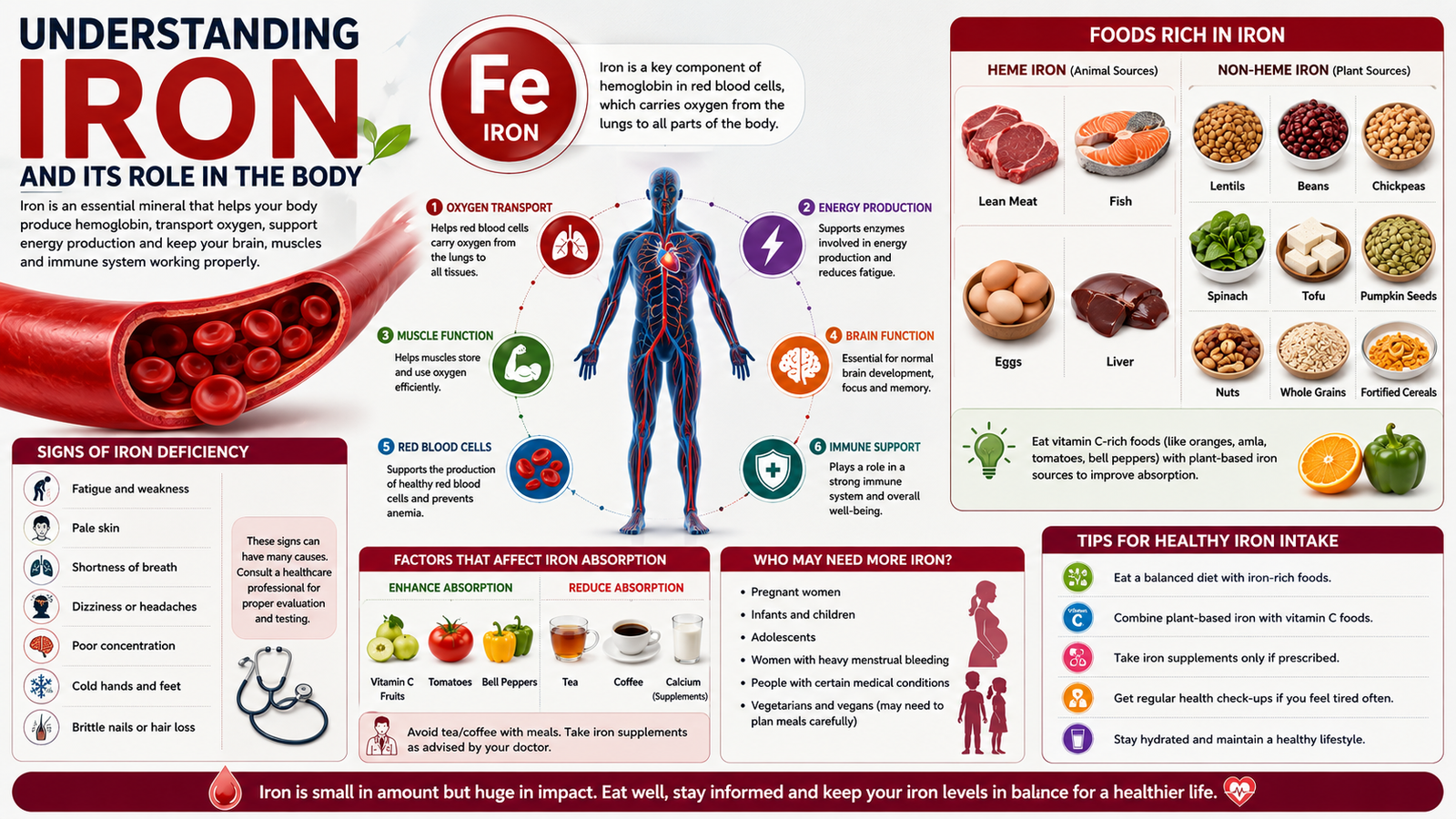
Iron is an essential mineral that the human body needs to carry out several important functions. Although the amount required is relatively small, iron has a major connection with energy, oxygen transport, brain function, and normal cell activity.
The body cannot make enough iron by itself, so it needs to obtain this mineral from food. Eating a varied diet that includes iron-containing foods can help support normal iron levels and overall health.
What Is Iron?
Iron is a mineral involved in the production of hemoglobin, a protein found in red blood cells. Hemoglobin helps transport oxygen from the lungs to tissues throughout the body.
Iron is also involved in myoglobin, a protein that helps muscles use oxygen, and in several enzymes responsible for important cellular reactions.
Because oxygen is needed by almost every part of the body, adequate iron is an important part of normal physiological function.
1. Helps Transport Oxygen
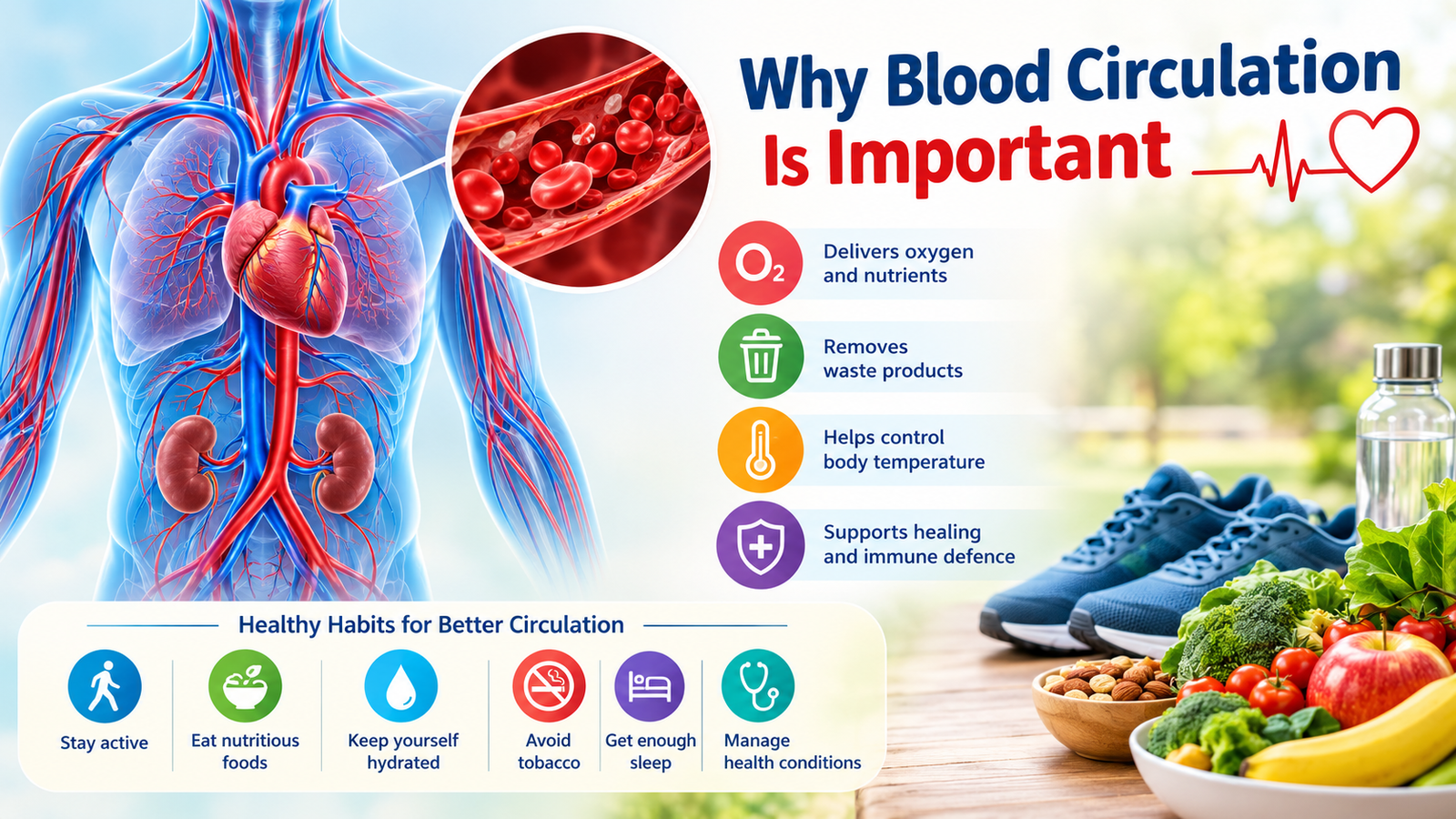
One of iron’s best-known functions is its role in hemoglobin. When you breathe, oxygen enters your lungs and is transferred into the bloodstream. Hemoglobin then helps carry that oxygen to tissues.
If the body does not have enough iron to support normal hemoglobin production, oxygen delivery can be affected.
2. Supports Normal Energy Production
Cells need oxygen and nutrients to produce energy. Iron participates in several processes involved in cellular energy production.
This does not mean that taking additional iron automatically makes a person more energetic. The benefit comes from maintaining adequate iron levels rather than consuming excessive amounts.
3. Contributes to Muscle Function
Muscles require oxygen during both everyday movement and physical activity. Iron contributes to myoglobin, which helps muscles handle and use oxygen.
Maintaining sufficient iron intake can therefore support normal muscle function and physical performance.
4. Supports Brain Function
The brain has a high demand for oxygen and energy. Iron participates in processes associated with normal brain development and neurological function.
Adequate nutrition during childhood, adolescence, pregnancy, and adulthood is particularly important because nutritional requirements can change during different stages of life.
5. Helps Maintain Healthy Red Blood Cells
Red blood cells are continuously produced and replaced. Iron is needed for the formation of hemoglobin within these cells.
When iron availability is inadequate for a prolonged period, the body may struggle to produce enough healthy, oxygen-carrying red blood cells.
Signs of Possible Iron Deficiency
Iron deficiency can develop gradually, and symptoms may not always be obvious at first. Possible signs include:
- Tiredness or low energy
- Weakness
- Pale skin
- Headaches
- Dizziness
- Shortness of breath during activity
- Reduced ability to concentrate
- Feeling unusually cold
These symptoms can have many different causes. They should not automatically be interpreted as evidence of iron deficiency.
A healthcare professional can use medical history and appropriate blood tests to determine whether iron deficiency or anemia is present.
Foods That Provide Iron
Iron is available in both animal-based and plant-based foods.
Examples include:
- Lean meat
- Fish and seafood
- Eggs
- Lentils
- Beans
- Chickpeas
- Tofu
- Spinach and other leafy greens
- Nuts and seeds
- Fortified cereals
- Whole grains
Including a variety of these foods can make it easier to meet nutritional needs.
Heme and Non-Heme Iron
Dietary iron is commonly described as heme iron and non-heme iron.
Heme iron is mainly found in animal foods such as meat and seafood. Non-heme iron occurs in plant foods and fortified products.
The body generally absorbs these forms differently. For people who obtain most of their iron from plant foods, combining iron-containing foods with sources of vitamin C can help improve absorption.
What Can Affect Iron Absorption?
Not all dietary iron is absorbed in the same way. The composition of a meal can influence how much iron the body takes in.
Foods containing vitamin C, such as citrus fruits, tomatoes, guava, peppers, and some other fruits and vegetables, can support the absorption of non-heme iron.
Certain compounds found in tea, coffee, and some foods can reduce iron absorption when consumed alongside an iron-rich meal. Meal timing and overall dietary pattern can therefore matter.
Who May Need More Attention to Iron Intake?
Iron requirements are not identical for everyone. Needs can be higher during certain life stages, including pregnancy and periods of growth.
People who lose blood regularly, follow certain restrictive diets, or have conditions that affect nutrient absorption may also need individualized guidance.
Children, teenagers, pregnant individuals, and people with ongoing fatigue or suspected anemia should discuss their nutritional needs with a healthcare professional when appropriate.
Should You Take Iron Supplements?
Iron supplements can be useful when a healthcare professional identifies iron deficiency or recommends them for a specific reason. They should not be taken routinely without guidance.
Excessive iron intake can cause unwanted effects and, in some circumstances, serious health problems. The appropriate dose depends on the individual’s age, health status, laboratory results, and reason for supplementation.
If iron deficiency is suspected, testing is generally more useful than simply starting a supplement.
Simple Ways to Support Healthy Iron Intake
A few practical habits can help maintain a nutritious diet:
- Include iron-rich foods regularly.
- Eat a mixture of plant and animal sources if appropriate for your diet.
- Pair plant-based iron sources with vitamin C-rich foods.
- Maintain a varied and balanced eating pattern.
- Avoid self-prescribing high-dose iron supplements.
- Seek professional advice when symptoms of deficiency persist.
Conclusion
Iron may be needed in relatively small quantities, but its contribution to the body is significant. It helps support oxygen transport, red blood cell production, muscle activity, energy-related processes, and normal brain function.
A varied diet containing iron-rich foods is an effective way for many people to meet their nutritional needs. At the same time, both insufficient and excessive iron can be problematic, so supplementation should be based on appropriate professional guidance.
Understanding the role of iron makes it easier to appreciate why a balanced diet is important at every stage of life.
Verification Code: IR7Q4XM82LP