Introduction
When people think about oral care, teeth usually receive most of the attention. Yet the gums are just as important. They form the soft tissue around the teeth, help hold them in place, and provide a protective barrier for the structures underneath.
Healthy gums are not simply about having a pleasant smile. Paying attention to the gums can help identify oral problems early and support long-term dental health.
What Do the Gums Do?
Gums, also called gingiva, surround the bases of the teeth and cover the underlying jawbone. They create a seal around the teeth that helps protect deeper tissues from irritation and harmful bacteria.
The condition of the gums can also affect how comfortable it is to chew, brush, and floss. When gum tissue becomes swollen or tender, even routine oral-care activities may become uncomfortable.
Signs of Healthy Gums
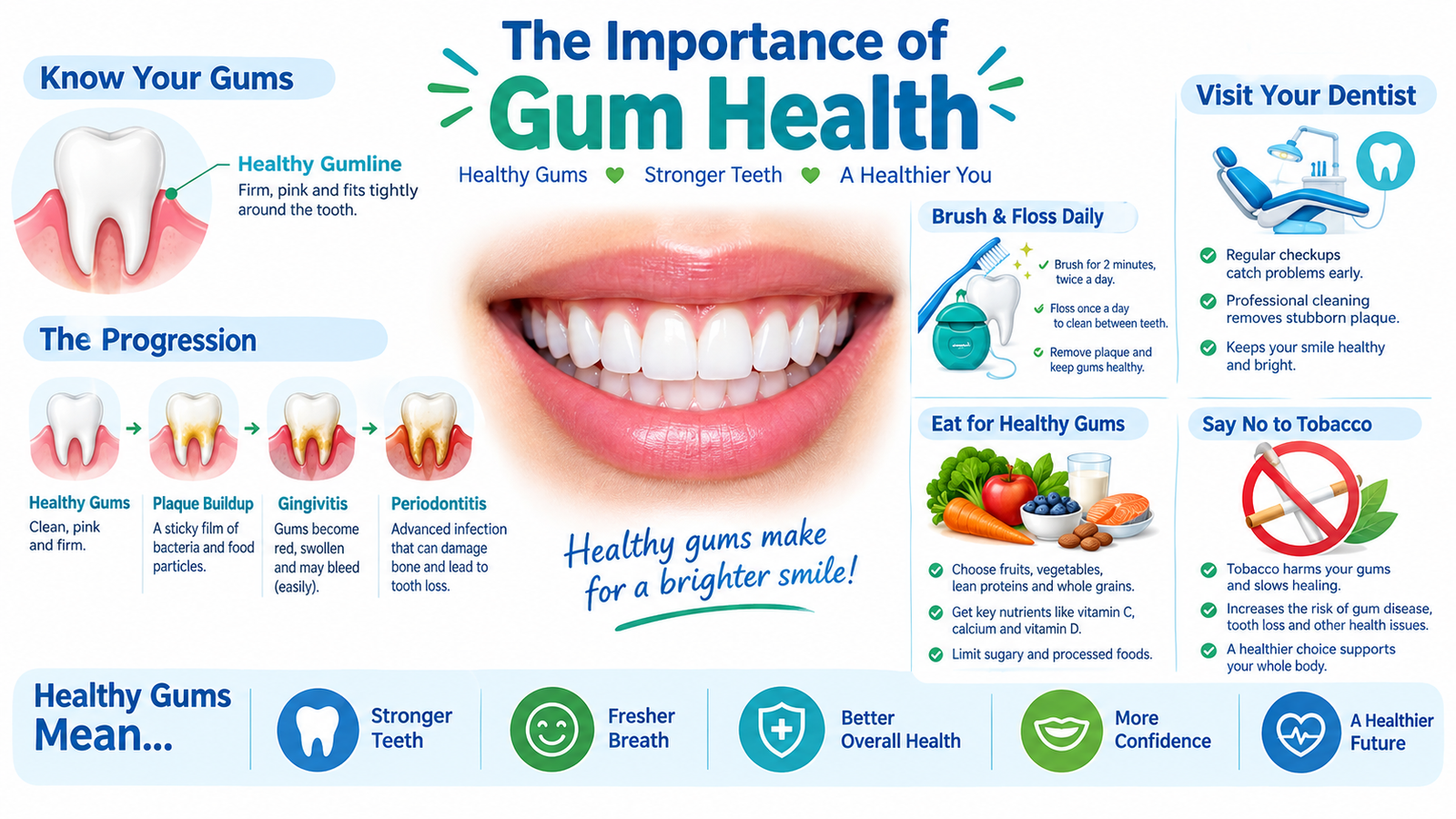
Healthy gums are generally firm and fit closely around the teeth. Their normal color can vary between people, but they should not usually appear persistently swollen or bleed during gentle brushing or flossing.
Changes such as repeated bleeding, puffiness, tenderness, or a change in the position of the gums deserve attention rather than being treated as a normal part of brushing.
Why Gum Problems Develop
A major contributor to gum problems is plaque, a sticky layer that continually forms on teeth. Plaque contains bacteria and can build up around the gumline when it is not removed effectively.
If plaque remains for too long, it can harden into tartar. Tartar cannot be removed completely with ordinary brushing and may continue irritating the surrounding gum tissue.
Other factors can influence gum health as well. Tobacco use, certain medicines, hormonal changes, diabetes, inadequate oral hygiene, and some medical conditions can increase the likelihood of gum problems.
Gingivitis and Periodontitis
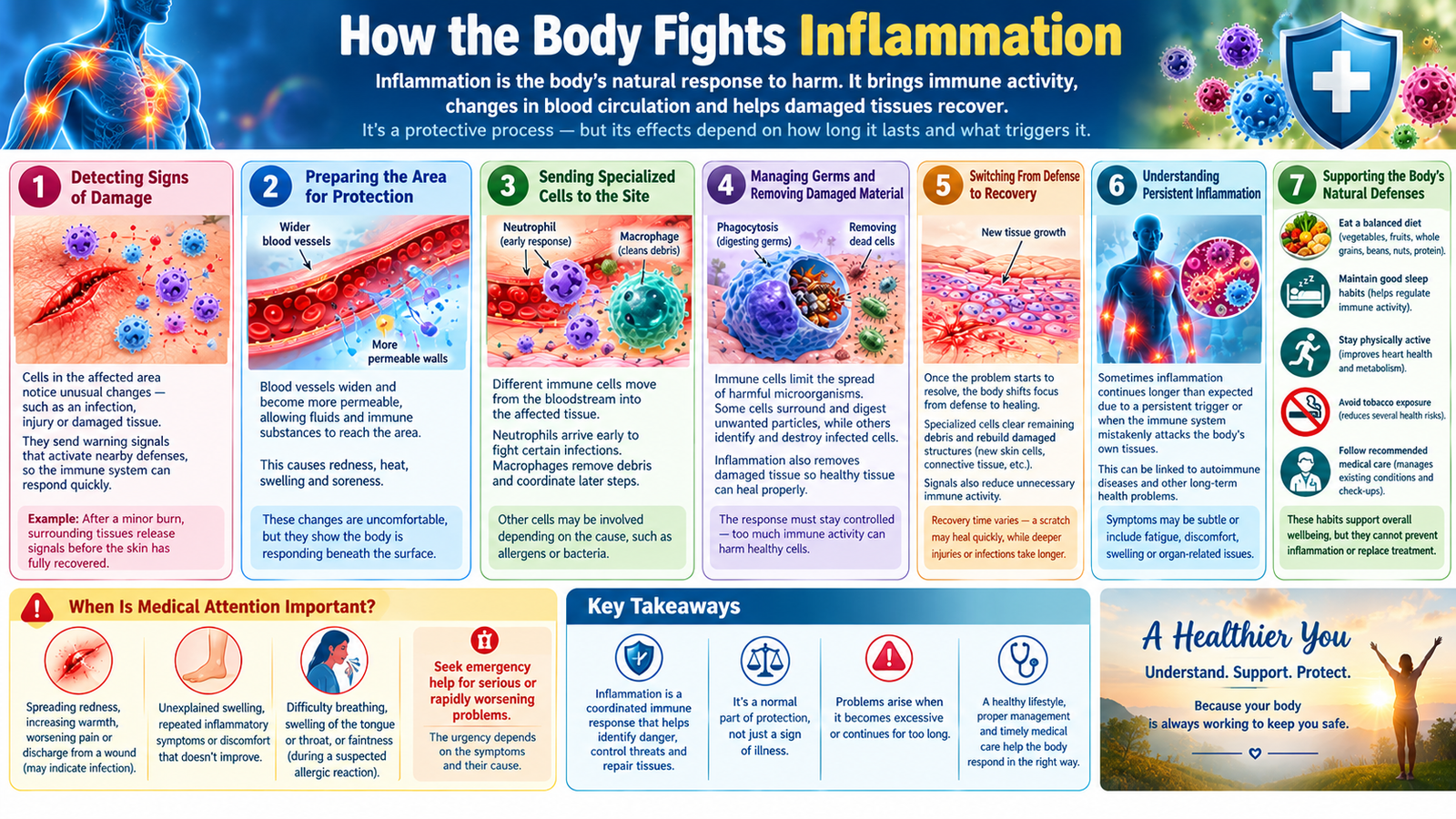
Early gum inflammation is commonly known as gingivitis. The gums may become red, swollen, or prone to bleeding. With appropriate dental care and improved plaque control, gingivitis can often be managed.
If gum disease progresses, it can affect the tissues and bone that support the teeth. This more advanced condition is called periodontitis. It can lead to gum recession, pockets around teeth, loose teeth, and eventually tooth loss if left untreated.
Not everyone with gum disease experiences obvious pain, which is one reason regular dental examinations are useful.
How to Keep Your Gums Healthy
Good gum care does not require complicated routines. Consistency matters more.
Brush Carefully
Brush your teeth twice a day using fluoride toothpaste. Pay attention to the gumline while using gentle movements rather than scrubbing aggressively.
Clean Between the Teeth
A toothbrush cannot effectively reach every space between teeth. Floss or another dentist-recommended interdental cleaner can help remove plaque from these areas.
Keep Dental Appointments
Professional dental examinations allow problems to be identified before they become more complicated. Dental cleanings can also remove hardened deposits that regular brushing cannot eliminate.
Be Careful With Tobacco
Smoking and other forms of tobacco use can negatively affect gum health and are associated with a greater risk of gum disease. Avoiding tobacco supports both oral and general health.
Choose a Balanced Diet
A varied diet provides nutrients needed for healthy tissues and normal healing. Limiting frequent sugary snacks and drinks can also help reduce the conditions that encourage plaque-related dental problems.
Can Gum Health Affect Overall Health?
The mouth is connected to the rest of the body, and oral health is part of overall health. Gum disease involves inflammation and changes in the bacteria around the teeth.
Research has found associations between periodontal disease and several health conditions, but an association does not necessarily mean that gum disease directly causes those conditions. Maintaining good oral health is therefore sensible without assuming that treating gum disease can prevent every other illness.
When Should You See a Dentist?
Do not ignore gums that repeatedly bleed, remain swollen, feel painful, or appear to be pulling away from the teeth. Persistent bad breath, loose teeth, changes in how teeth fit together, or pus around the gums also warrant professional attention.
Early evaluation can help determine what is causing the problem and what treatment is appropriate.
Conclusion
Gums provide essential support and protection for the teeth and the tissues beneath them. Plaque control, gentle brushing, cleaning between teeth, regular dental visits, and avoiding tobacco can all contribute to healthier gums.
Small changes in the gums should not automatically be linked to a serious condition, but persistent or unusual symptoms deserve professional evaluation. Caring for the gums is an important part of protecting the mouth for years to come.
Verification Code: GH7M4QX92RK