Introduction
Your heart works continuously from the moment you are born, supplying oxygen-rich blood to every part of your body. Since it never takes a break, caring for your heart should be a lifelong priority. The good news is that protecting your heart doesn’t require expensive treatments or complicated routines. Simple, healthy choices made consistently can go a long way toward supporting cardiovascular health.
Eat More Natural Foods
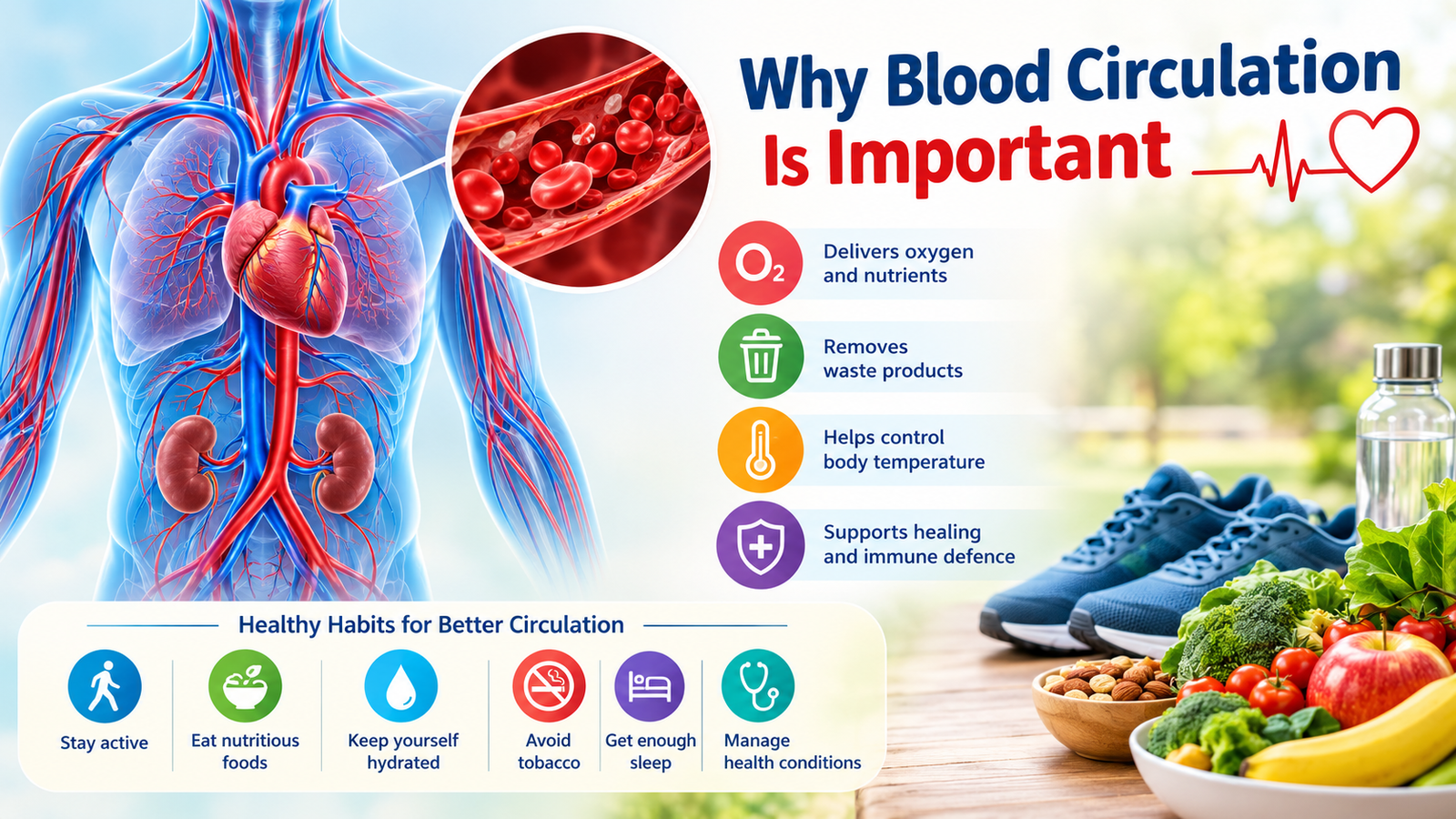
A heart-friendly diet begins with fresh, wholesome ingredients. Fill your plate with colorful vegetables, seasonal fruits, whole grains, pulses, nuts, and lean sources of protein. These foods provide fiber, vitamins, minerals, and antioxidants that support healthy blood vessels.
Try to reduce the intake of packaged snacks, sugary beverages, deep-fried foods, and processed meat products. Cooking meals at home allows better control over salt, sugar, and unhealthy fats.
Stay Active Every Day
Regular physical activity strengthens the heart muscle and improves blood circulation. You don’t have to spend hours at the gym. Walking, cycling, dancing, gardening, or climbing stairs are excellent ways to stay active.
Aim to move your body for at least 30 minutes on most days of the week. Consistency matters more than intensity when building long-term heart health.
Keep Your Weight Within a Healthy Range
Maintaining a healthy body weight reduces the workload on your heart. Excess body fat may increase the likelihood of high blood pressure, elevated cholesterol, and other conditions that affect cardiovascular health.
Instead of following extreme diets, adopt balanced eating habits and remain physically active to achieve sustainable results.
Drink Enough Water
Proper hydration supports healthy circulation and helps your body perform essential functions efficiently. Water also helps regulate body temperature and supports nutrient transport.
Carry a reusable water bottle and drink water regularly throughout the day, especially during hot weather or after physical activity.
Sleep Well Every Night
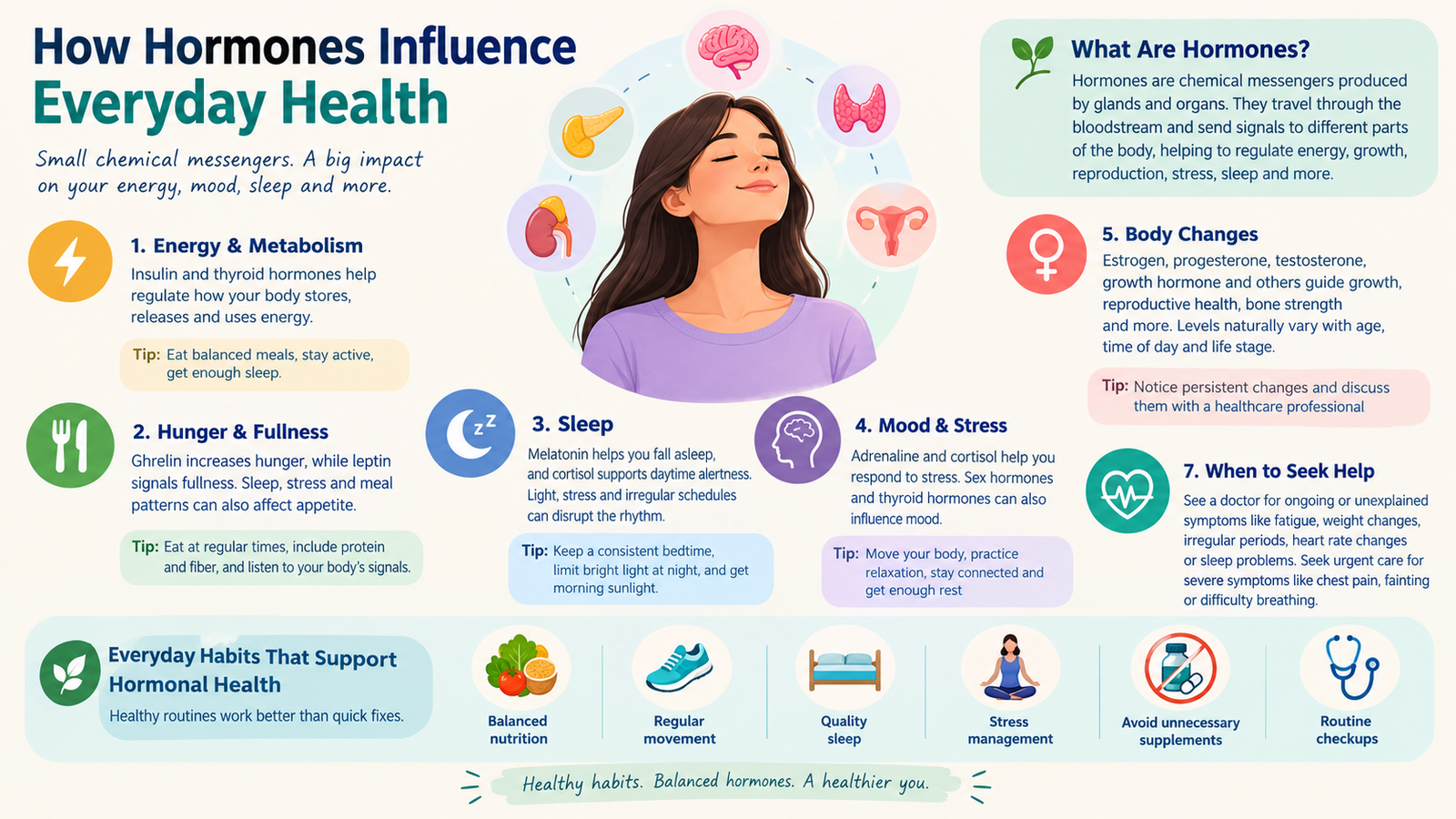
The body repairs itself during sleep, including the cardiovascular system. Poor sleep over long periods may affect blood pressure and overall heart function.
Develop a regular sleep schedule by going to bed and waking up at similar times each day. A quiet, comfortable sleeping environment can improve sleep quality.
Learn to Handle Stress
Daily stress is unavoidable, but unmanaged stress may negatively influence heart health. Taking time to relax can improve both mental and physical well-being.
Simple activities such as deep breathing, meditation, reading, spending time in nature, listening to calming music, or practicing yoga can help lower stress levels.
Avoid Smoking and Limit Alcohol
Smoking damages blood vessels and increases the risk of serious heart problems. Excessive alcohol consumption may also affect heart rhythm and blood pressure.
Choosing a smoke-free lifestyle and drinking alcohol only in moderation, or avoiding it altogether, can significantly benefit your heart.
Monitor Your Health Regularly
Routine medical check-ups allow early detection of conditions that may affect the heart. Keeping track of blood pressure, blood sugar, cholesterol, and body weight helps you make informed health decisions.
Following your healthcare provider’s advice can reduce the likelihood of future complications.
Stay Connected with Others
Emotional health plays an important role in overall wellness. Spending time with supportive family members, friends, or community groups can reduce loneliness and encourage healthy habits.
Positive relationships often contribute to lower stress levels and improved quality of life.
Make Healthy Choices Every Day
Heart health is built through daily habits rather than occasional efforts. Small actions—such as choosing healthier meals, staying active, getting enough sleep, and managing stress—can collectively protect your heart for years to come.
Conclusion
Keeping your heart healthy naturally is achievable through simple lifestyle changes that become part of your everyday routine. Nutritious eating, regular exercise, adequate sleep, stress management, hydration, and routine health check-ups all contribute to a stronger cardiovascular system.
Looking after your heart today is an investment in your future health, helping you stay active, energetic, and ready to enjoy life for many years.
Verification Code: HC5R8NT41XZ