Introduction
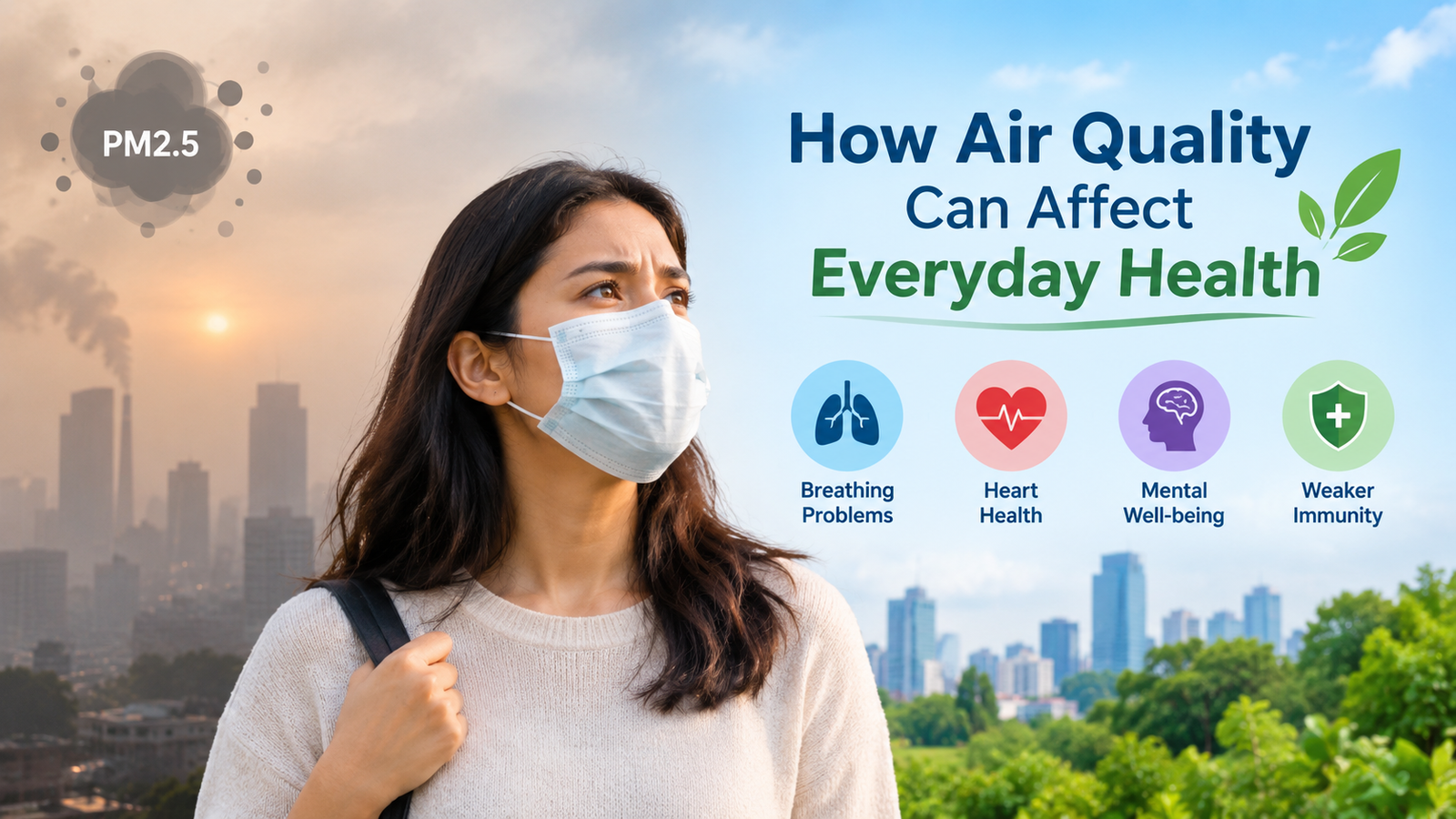
The air around us may look clean while still containing tiny particles and gases that affect our health. We breathe continuously throughout the day, whether we are travelling, working, exercising, or resting at home. This means the quality of the air we inhale can influence how our bodies feel and function.
Air pollution can come from vehicle exhaust, factory emissions, construction dust, burning fuels, and smoke. Indoor spaces may also contain pollutants from cooking, tobacco smoke, cleaning products, and poor ventilation. Understanding these sources can help people make practical choices to reduce unnecessary exposure.
1. What Determines Air Quality?
Air quality describes how clean or polluted the surrounding air is. One important pollutant is particulate matter, which consists of tiny airborne particles. PM2.5 particles are especially small and can travel deep into the lungs.
Other pollutants include ground-level ozone, nitrogen dioxide, sulfur dioxide, and carbon monoxide. Their levels can vary according to traffic, weather, industrial activity, and the burning of fuels.
Air quality may change during the day or from one neighbourhood to another. Checking a reliable local air-quality report can help people decide when outdoor activities may need to be adjusted.
2. Effects on the Respiratory System
The lungs come into direct contact with inhaled air, making them particularly vulnerable to airborne pollutants. Dust, smoke, and other irritants can cause coughing, throat discomfort, wheezing, or shortness of breath in some people.
For individuals with asthma, polluted air may trigger symptoms or make existing breathing problems harder to control. Long-term exposure to certain pollutants can increase the risk of developing chronic respiratory conditions.
Children may be more vulnerable because their lungs are still developing. Older adults and people with existing lung diseases may also experience greater effects from poor air quality.
3. Air Pollution and Heart Health
The effects of air pollution are not limited to breathing. Fine particles can contribute to inflammation and other changes in the body that affect blood vessels and cardiovascular function.
Long-term exposure to polluted air is associated with a higher risk of heart disease and stroke. People who already have cardiovascular conditions may be particularly sensitive to periods of heavy pollution.
This does not mean every exposure causes immediate harm. The level of pollution, length of exposure, and a person’s health all influence the potential effects.
4. Effects on Energy, Sleep, and Daily Comfort
Poor air quality can make outdoor activities uncomfortable, particularly for people who develop eye irritation, headaches, coughing, or breathing difficulties when pollution levels rise.
When breathing becomes uncomfortable, exercise and everyday movement may feel more difficult. Smoke and other airborne irritants may also disturb comfort at home, especially when ventilation is poor.
Some research links air pollution with sleep problems and other effects on well-being. However, tiredness or poor sleep can have many causes, so these symptoms alone cannot establish that polluted air is responsible.
5. Practical Ways to Reduce Exposure
Although individuals cannot control every source of pollution, a few sensible habits may reduce exposure.
- Check local air-quality updates: On days with unhealthy readings, consider reducing strenuous outdoor exercise or moving it indoors.
- Keep indoor air cleaner: Avoid smoking indoors and reduce unnecessary burning of candles, incense, or other materials that produce smoke.
- Ventilate thoughtfully: Use kitchen exhaust ventilation when cooking, particularly when frying or using gas. When outdoor pollution is high, keep windows closed where practical and ventilate when conditions improve.
- Consider suitable filtration: A correctly sized air purifier with an effective particle filter can reduce certain airborne particles in an enclosed room. Filters need regular maintenance.
- Wear a well-fitting mask when appropriate: A properly fitted particulate respirator, such as an N95, can help reduce exposure to fine particles. Ordinary cloth masks generally provide less reliable protection.
- Maintain healthy routines: Avoid smoking, follow prescribed treatment for existing conditions, and stay physically active when air quality allows.
These steps can help lower exposure, but they cannot eliminate every pollutant or replace necessary medical care.
6. Who Should Take Extra Care?
People with asthma, chronic lung disease, heart conditions, or other relevant health problems may need to be especially cautious during pollution episodes. Children, older adults, and pregnant people may also benefit from reducing exposure when air quality is poor.
If pollution levels are high, follow local public-health advice and adjust activities according to your health needs. People who use prescribed inhalers or other medicines should continue following their clinician’s instructions.
7. When to Seek Medical Help
Arrange a medical assessment if you develop persistent coughing, repeated wheezing, or breathlessness that interferes with ordinary activities.
Seek emergency medical care for severe breathing difficulty, chest pain, fainting, or sudden confusion. These symptoms may indicate a serious condition and should not be attributed to air pollution without assessment.
Conclusion
Air quality is an important part of everyday health because the air we breathe affects the lungs and can also influence cardiovascular well-being. Pollution levels change with location, weather, and human activity, so awareness is a useful first step.
Checking air-quality reports, reducing indoor smoke, improving filtration where needed, and adjusting outdoor activities during pollution episodes can help limit exposure. Small, informed decisions may make daily life more comfortable while supporting long-term health.
Verification Code: A6R9K3W8M2