Introduction
Many people begin a healthy lifestyle with great enthusiasm, but maintaining those habits for months or years is often the real challenge. Quick diets, intense workout plans, and unrealistic goals may produce temporary results, yet they rarely become lasting routines. True wellness is not about achieving perfection—it is about creating daily habits that are practical, enjoyable, and sustainable.
A long-term wellness routine supports physical health, mental well-being, and emotional balance. Instead of making dramatic changes overnight, focusing on small consistent actions can lead to meaningful improvements in energy, productivity, and overall quality of life.
What Is a Wellness Routine?
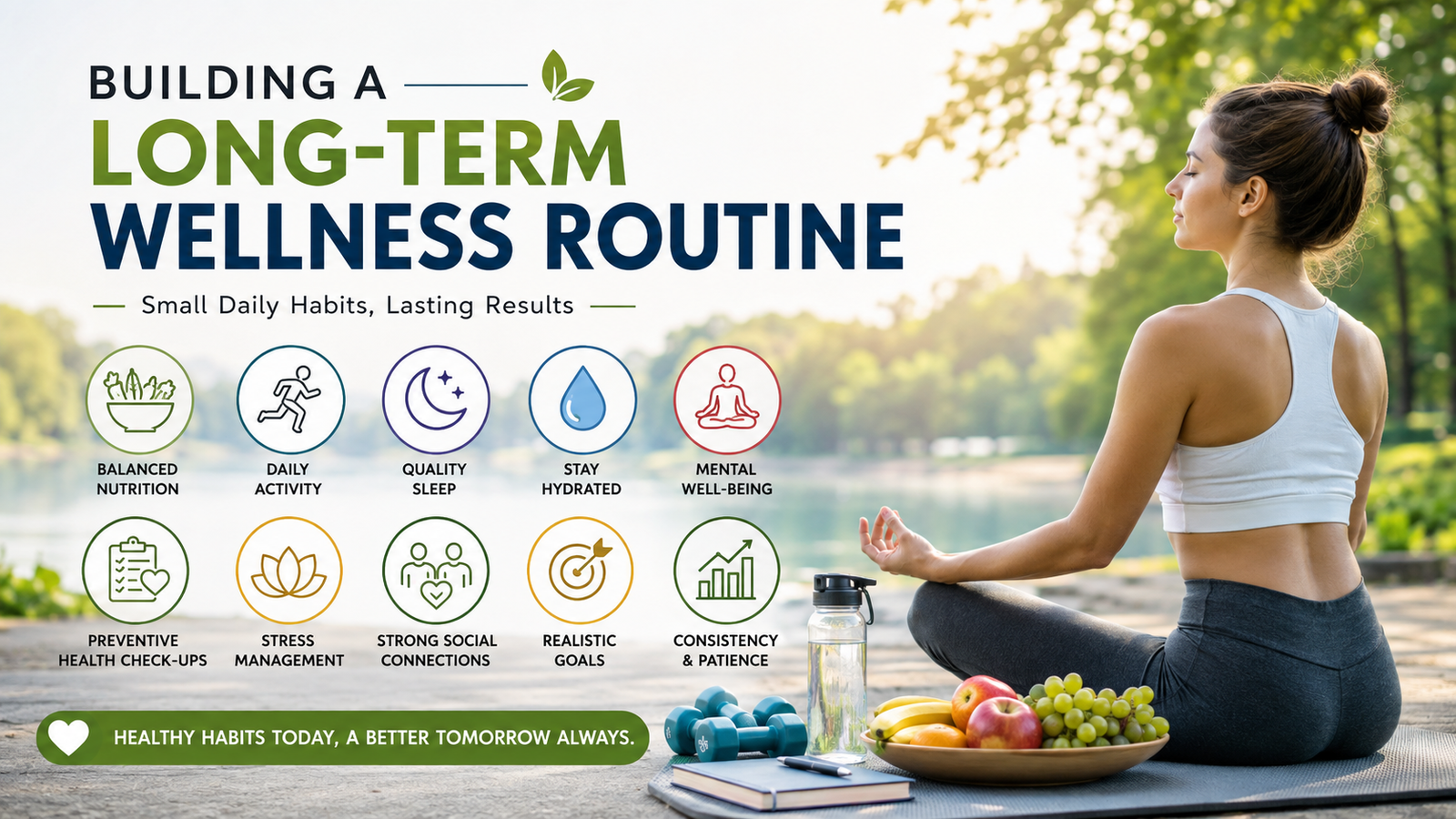
A wellness routine is a collection of healthy daily habits that help maintain the body and mind. It includes balanced nutrition, regular physical activity, quality sleep, stress management, hydration, and preventive healthcare.
Unlike short-term fitness challenges, a wellness routine is designed to fit naturally into everyday life and remain sustainable over time.
Start with Realistic Goals
The strongest routines begin with achievable objectives. Rather than trying to change everything at once, focus on one or two habits each week.
Examples include drinking more water, walking for twenty minutes daily, eating one extra serving of vegetables, or sleeping thirty minutes earlier. Small successes build confidence and make larger lifestyle improvements easier to maintain.
Make Nutrition a Daily Priority
Healthy eating does not require complicated meal plans. Choosing whole foods more often than processed foods provides the body with essential nutrients for long-term health.
A balanced plate should include vegetables, fruits, whole grains, lean proteins, and healthy fats. Preparing meals at home also helps improve portion control while reducing unnecessary sugar and salt intake.
Consistency matters more than occasional perfect meals.
Stay Physically Active Every Day
Movement is essential for lifelong wellness. Regular activity strengthens the heart, muscles, bones, and joints while improving mood and reducing stress.
You do not need expensive equipment to stay active. Walking, cycling, stretching, dancing, yoga, or climbing stairs are all effective ways to include movement in your daily routine.
Aim to reduce long periods of sitting by taking short activity breaks throughout the day.
Never Compromise on Sleep
Sleep is one of the body’s most powerful recovery tools. During rest, the brain processes information, muscles recover, and the immune system performs important repair functions.
Creating a regular bedtime, limiting screen exposure before sleep, and maintaining a comfortable sleeping environment can greatly improve sleep quality and daytime energy.
Hydration Supports Every System
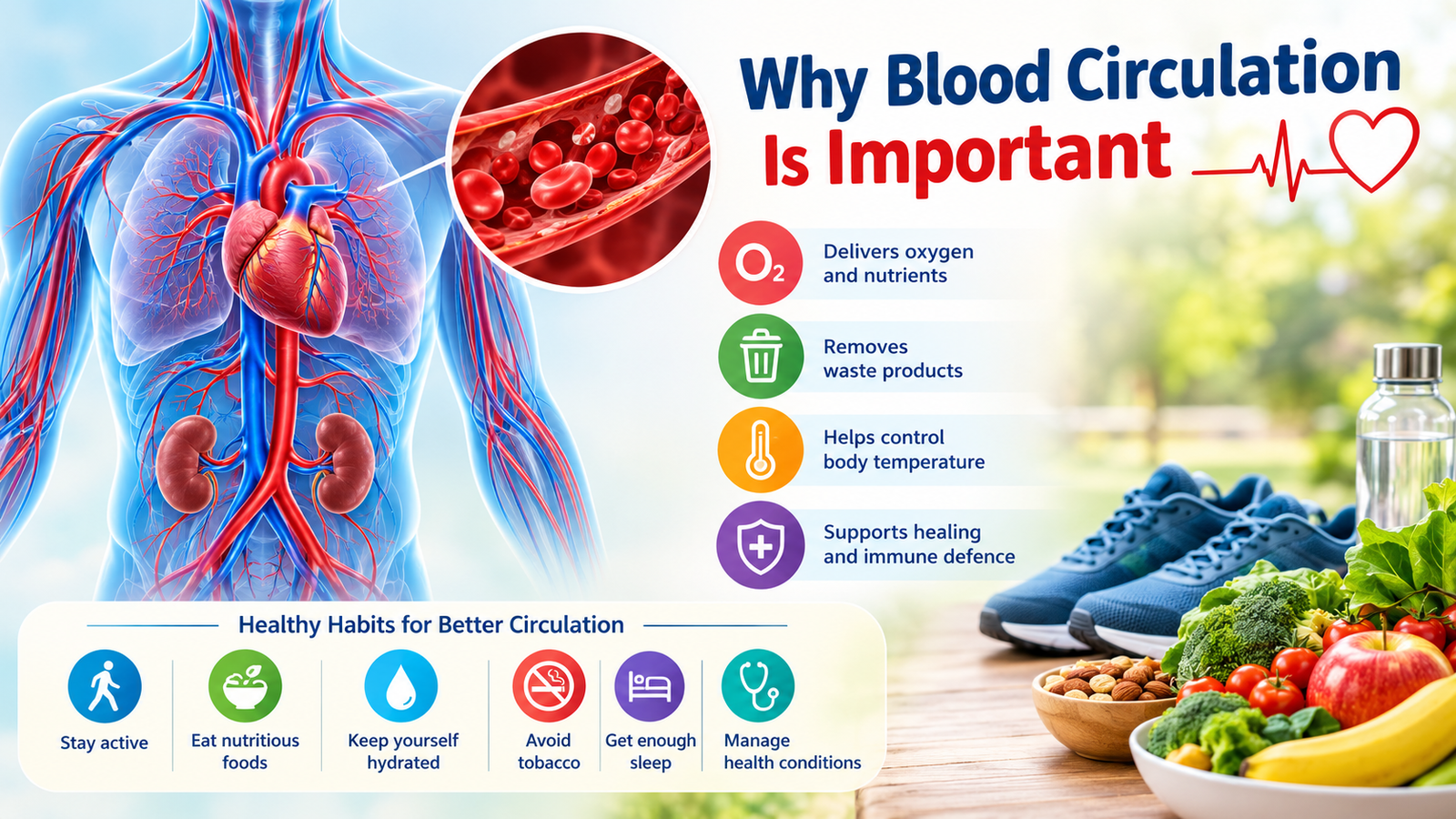
Water is involved in nearly every bodily function, including digestion, circulation, temperature regulation, and nutrient transport.
Keeping a reusable water bottle nearby makes it easier to stay hydrated throughout the day. Replacing sugary beverages with water is a simple habit that benefits both health and budget.
Care for Your Mental Well-being
Wellness extends beyond physical fitness. Emotional health deserves equal attention in a long-term routine.
Taking time to relax, practicing gratitude, reading, spending time with loved ones, enjoying hobbies, or meditating for a few minutes each day can improve emotional resilience and reduce stress.
A healthy mind supports healthier daily choices.
Schedule Preventive Health Check-ups
Prevention is an important part of lifelong wellness. Regular medical and dental check-ups help identify potential health concerns before they become serious.
Monitoring blood pressure, blood sugar, cholesterol, vision, and oral health allows early intervention and supports long-term well-being.
Create Habits That Last
Long-term routines become successful when they are simple enough to repeat consistently.
Helpful strategies include:
- Follow a regular morning and bedtime schedule.
- Prepare healthy meals in advance.
- Keep healthy snacks available.
- Exercise at the same time each day.
- Track habits using a notebook or calendar.
- Celebrate progress instead of aiming for perfection.
These small systems make healthy behaviors feel automatic over time.
Overcoming Common Obstacles
Busy schedules, travel, stress, and lack of motivation can interrupt healthy habits. Instead of giving up completely, return to the routine with one positive action.
Even a short walk, a nutritious meal, or an extra hour of sleep is a meaningful step forward. Long-term success comes from consistency, not perfection.
Conclusion
Building a long-term wellness routine is one of the greatest investments you can make in your future health. By combining balanced nutrition, regular exercise, quality sleep, proper hydration, stress management, and preventive healthcare, you create habits that support both body and mind for years to come.
Remember that lasting wellness is built through small daily choices. Every healthy decision you repeat today becomes part of a stronger, healthier tomorrow.
Verification Code: WL9X5QT38HM