Introduction
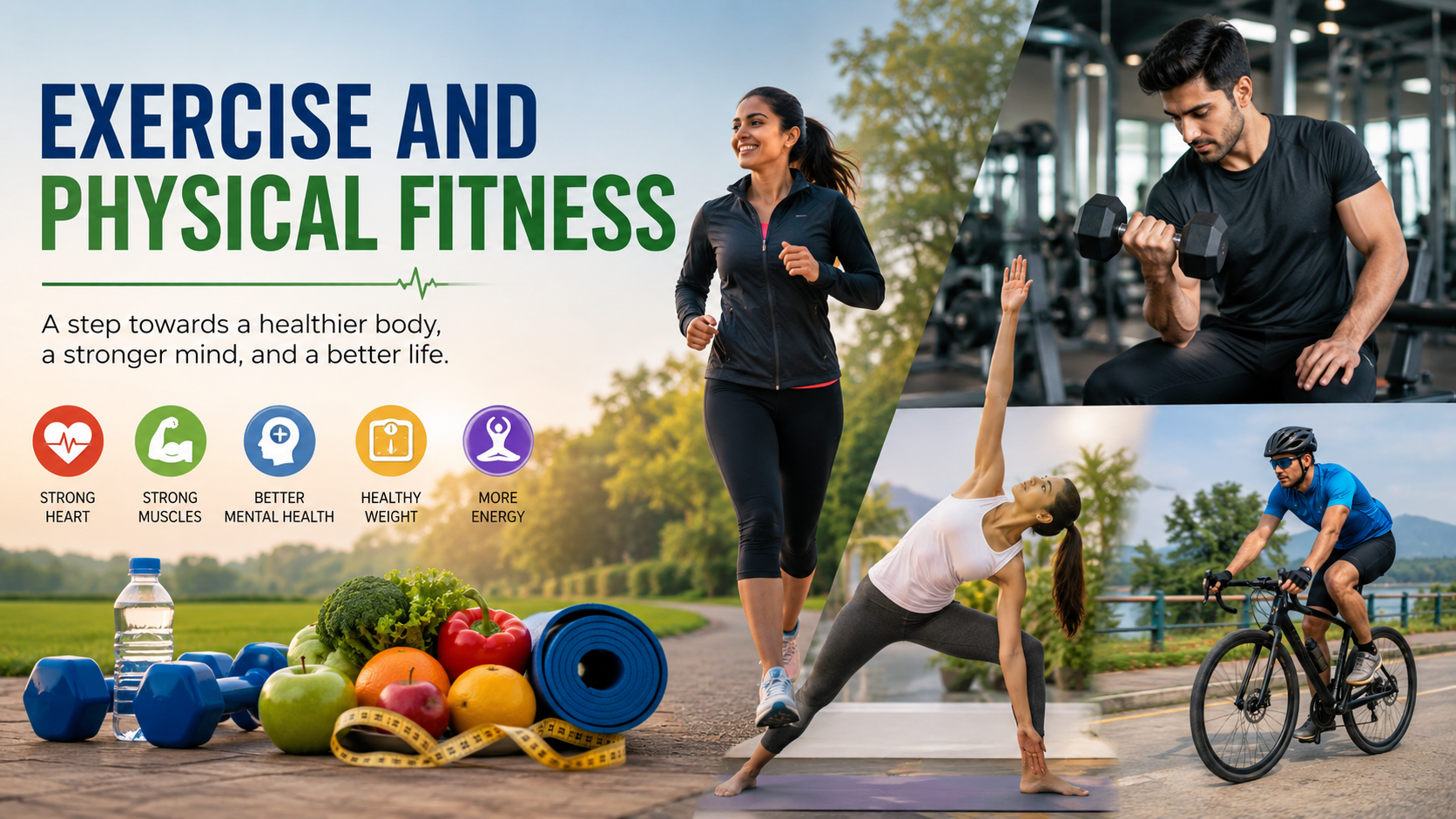
Exercise and physical fitness are essential parts of a healthy and balanced life. In recent years, rapid technological advancements and busy lifestyles have reduced the amount of physical activity people perform in their daily routines. Many individuals spend long hours sitting at desks, using computers, or watching screens, which can negatively affect health over time. Regular exercise provides an effective solution to these problems by keeping the body active and improving overall well-being.
Physical fitness is not limited to athletes or sports professionals. It is important for people of all ages because it enables individuals to perform everyday tasks with energy and efficiency. A physically fit person is better prepared to handle work, studies, household activities, and unexpected physical demands without becoming excessively tired. Therefore, exercise should be considered a necessity rather than an option in modern life.
Understanding Exercise and Physical Fitness
Exercise refers to planned and structured physical activities that improve or maintain health and fitness. These activities involve the movement of muscles and the expenditure of energy. Walking, jogging, swimming, cycling, dancing, yoga, and playing sports are common examples of exercise that contribute to better health.
Physical fitness is the condition in which the body functions efficiently and effectively in daily activities. It includes several important components such as cardiovascular endurance, muscular strength, muscular endurance, flexibility, and body composition. Cardiovascular endurance reflects how well the heart and lungs supply oxygen during physical activity. Muscular strength refers to the ability of muscles to exert force, while muscular endurance measures how long muscles can continue working without fatigue. Flexibility allows joints and muscles to move through their full range of motion, and healthy body composition represents a balanced proportion of muscle, bone, and body fat.
Physical Benefits of Regular Exercise
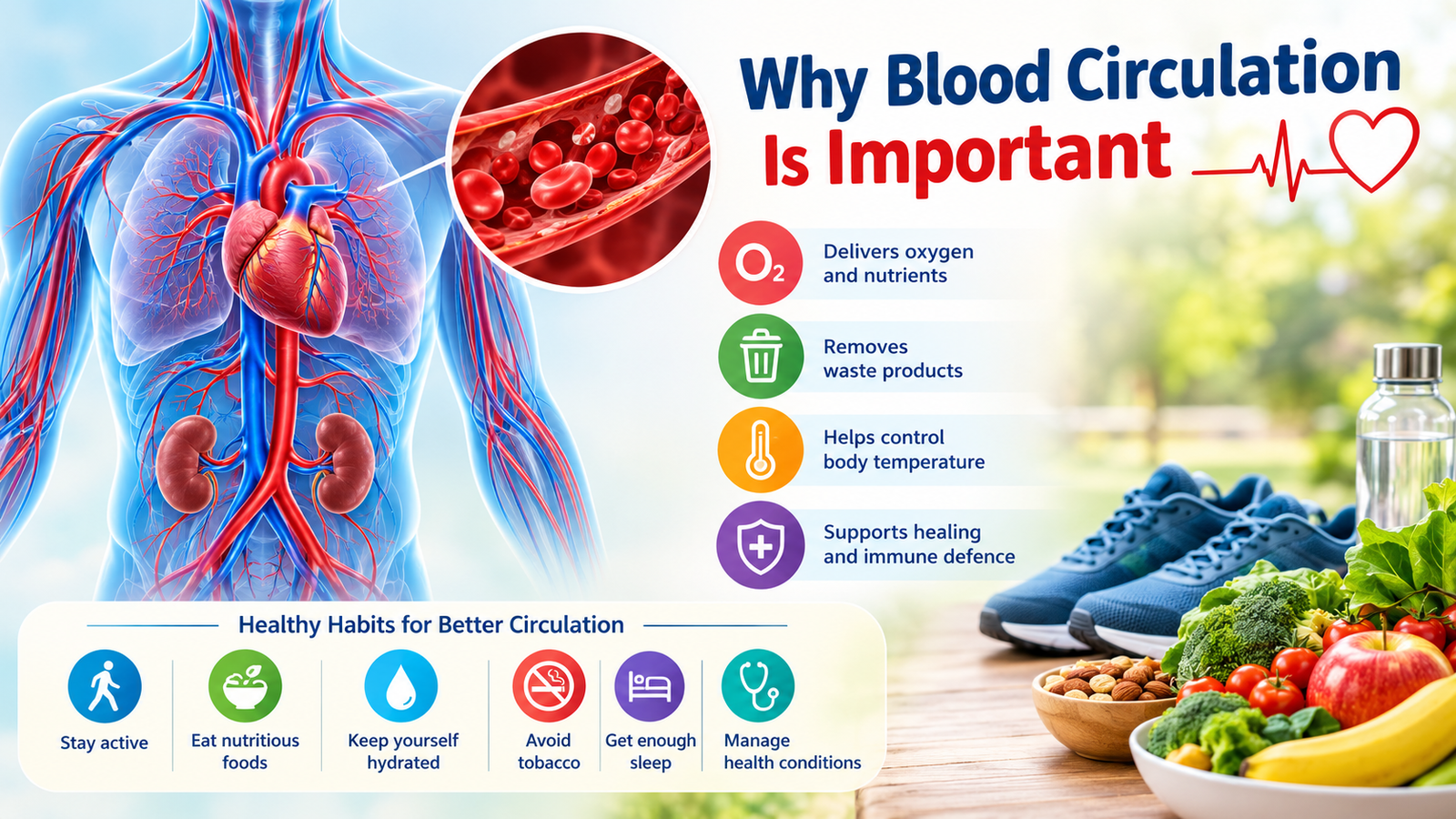
One of the greatest advantages of exercise is its positive effect on physical health. Regular physical activity strengthens the heart, improves blood circulation, and enhances the efficiency of the respiratory system. As a result, the body becomes more capable of delivering oxygen and nutrients to tissues and organs.
Exercise also plays a major role in maintaining a healthy body weight. Physical activities burn calories and increase metabolism, helping individuals prevent obesity and related health complications. Combined with proper nutrition, exercise contributes to long-term weight management and improved body composition.
Another important benefit is the strengthening of muscles and bones. Weight-bearing activities and resistance exercises increase bone density and reduce the risk of fractures and osteoporosis later in life. Strong muscles also improve posture, balance, and coordination, reducing the likelihood of injuries during daily activities.
Regular exercise lowers the risk of several chronic diseases, including heart disease, high blood pressure, type 2 diabetes, and certain forms of cancer. It can improve cholesterol levels, regulate blood sugar, and support the proper functioning of the immune system, making the body more resistant to illness and infections.
Mental and Emotional Benefits
The influence of exercise extends beyond physical health and significantly improves mental well-being. Physical activity stimulates the release of chemicals in the brain that promote feelings of happiness and relaxation. This helps reduce stress, anxiety, and symptoms of depression.
Students and working professionals often experience pressure due to academic or professional responsibilities. Exercise provides an effective method for managing this stress by refreshing the mind and improving concentration. Individuals who engage in regular physical activity often report greater mental clarity, improved memory, and better decision-making abilities.
Exercise can also improve self-confidence and self-esteem. Achieving fitness goals, learning new physical skills, or simply maintaining an active lifestyle creates a sense of accomplishment and personal satisfaction. These positive feelings contribute to emotional stability and a better quality of life.
Different Types of Exercise
Maintaining overall fitness requires a combination of different forms of exercise. Aerobic exercises such as walking, running, swimming, and cycling improve heart and lung function. Strength-training exercises such as push-ups, squats, and weightlifting build muscle strength and endurance.
Flexibility exercises, including stretching and yoga, improve joint mobility and reduce stiffness in muscles. Balance exercises are particularly important for older adults because they help prevent falls and improve stability. Combining these forms of exercise creates a complete fitness program that benefits the entire body.
Exercise and Healthy Lifestyle Habits
Exercise alone cannot guarantee good health unless it is supported by healthy lifestyle choices. A balanced diet provides the nutrients necessary for energy production, muscle repair, and overall body function. Adequate hydration is equally important because water supports digestion, temperature regulation, and nutrient transportation.
Rest and sleep are also essential components of physical fitness. During sleep, the body repairs tissues, restores energy levels, and strengthens the immune system. Individuals who combine regular exercise with healthy eating habits and sufficient sleep are more likely to achieve long-term health benefits.
Encouraging Physical Activity in Daily Life
Many people avoid exercise because they believe it requires expensive equipment or large amounts of free time. In reality, simple activities such as walking to nearby places, using stairs instead of elevators, or participating in outdoor games can significantly increase daily physical activity levels.
Schools, workplaces, and communities can encourage healthier lifestyles by promoting sports activities, fitness programs, and recreational opportunities. Creating supportive environments motivates individuals to remain active and develop lifelong healthy habits.
Conclusion
In conclusion, exercise and physical fitness are fundamental to maintaining a healthy and fulfilling life. Regular physical activity strengthens the body, protects against disease, improves mental health, and enhances overall quality of life. Physical fitness enables individuals to perform daily tasks with greater efficiency while providing the energy needed to enjoy recreational activities and personal interests.
Developing a habit of regular exercise may require effort and discipline initially, but the long-term rewards are significant. By incorporating physical activity into everyday routines and adopting healthy lifestyle practices, individuals can build a stronger body, a healthier mind, and a brighter future. Exercise is truly one of the most valuable investments a person can make in their overall well-being.
Code: XF7K29LMRM6
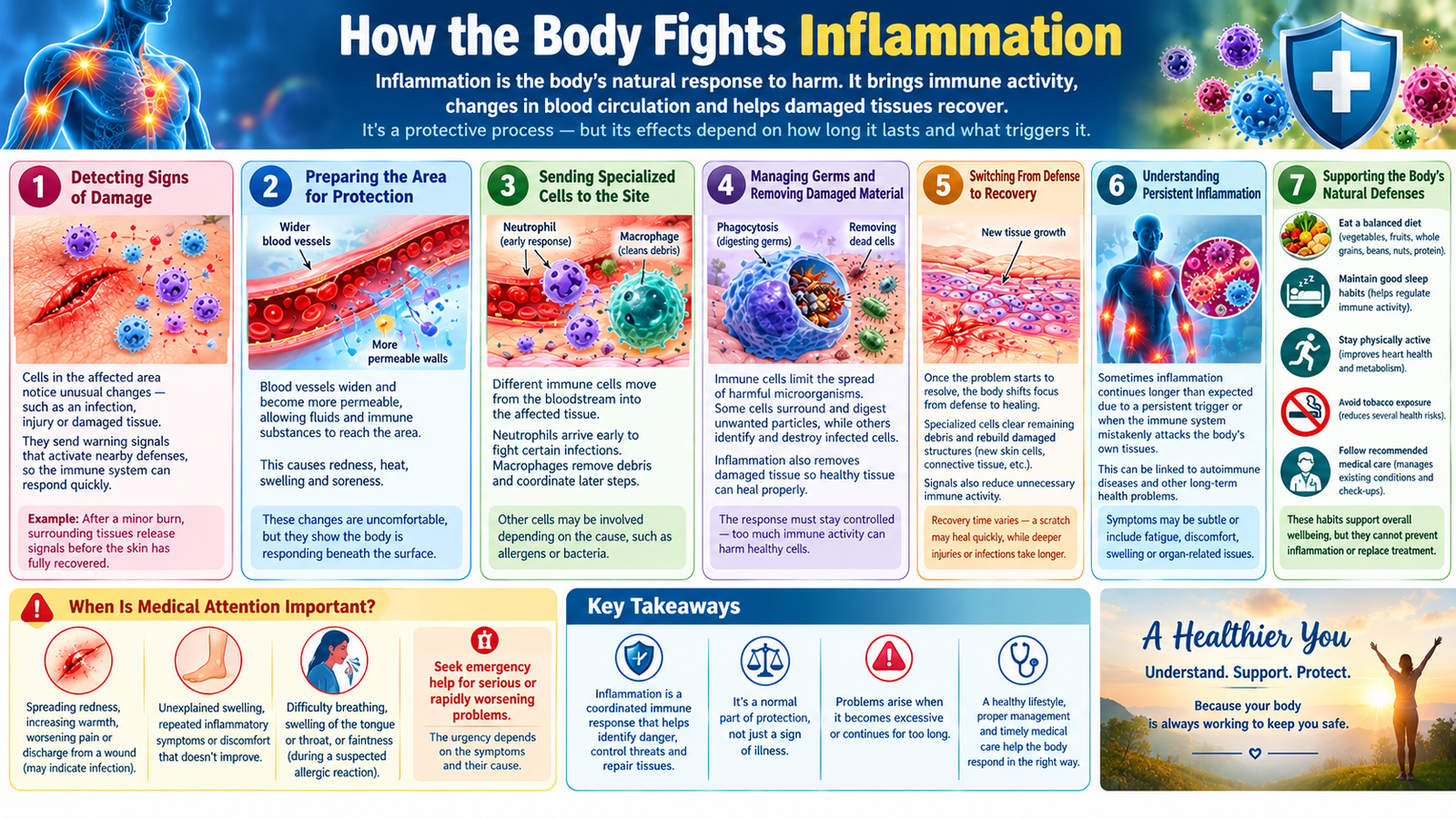
Exercise and physical fitness are essential for a healthy and happy life. Regular exercise improves strength, keeps the body fit, reduces stress, and helps prevent diseases. Everyone should make physical activity a part of their daily routine to stay active and healthy.
Got a good content about physical fitness and health
Great article! It clearly explains the importance of regular exercise and physical fitness. The tips are practical and easy to follow. Code: XF7K29LMQ4Z