Introduction
The immune system is the body’s natural defense network that protects against harmful microorganisms, infections, and diseases. Every day, the human body comes into contact with countless bacteria, viruses, and other potentially harmful substances. A healthy immune system works continuously to identify these threats and eliminate them before they can cause serious illness.
While medical treatments and vaccinations play important roles in disease prevention, daily lifestyle choices have a significant influence on the strength and efficiency of the immune system. Building strong immunity naturally involves adopting healthy habits that support the body’s ability to defend itself and recover when illness occurs.
Developing these habits not only reduces the risk of infections but also contributes to better energy levels, improved well-being, and a healthier life overall.
Understanding the Immune System
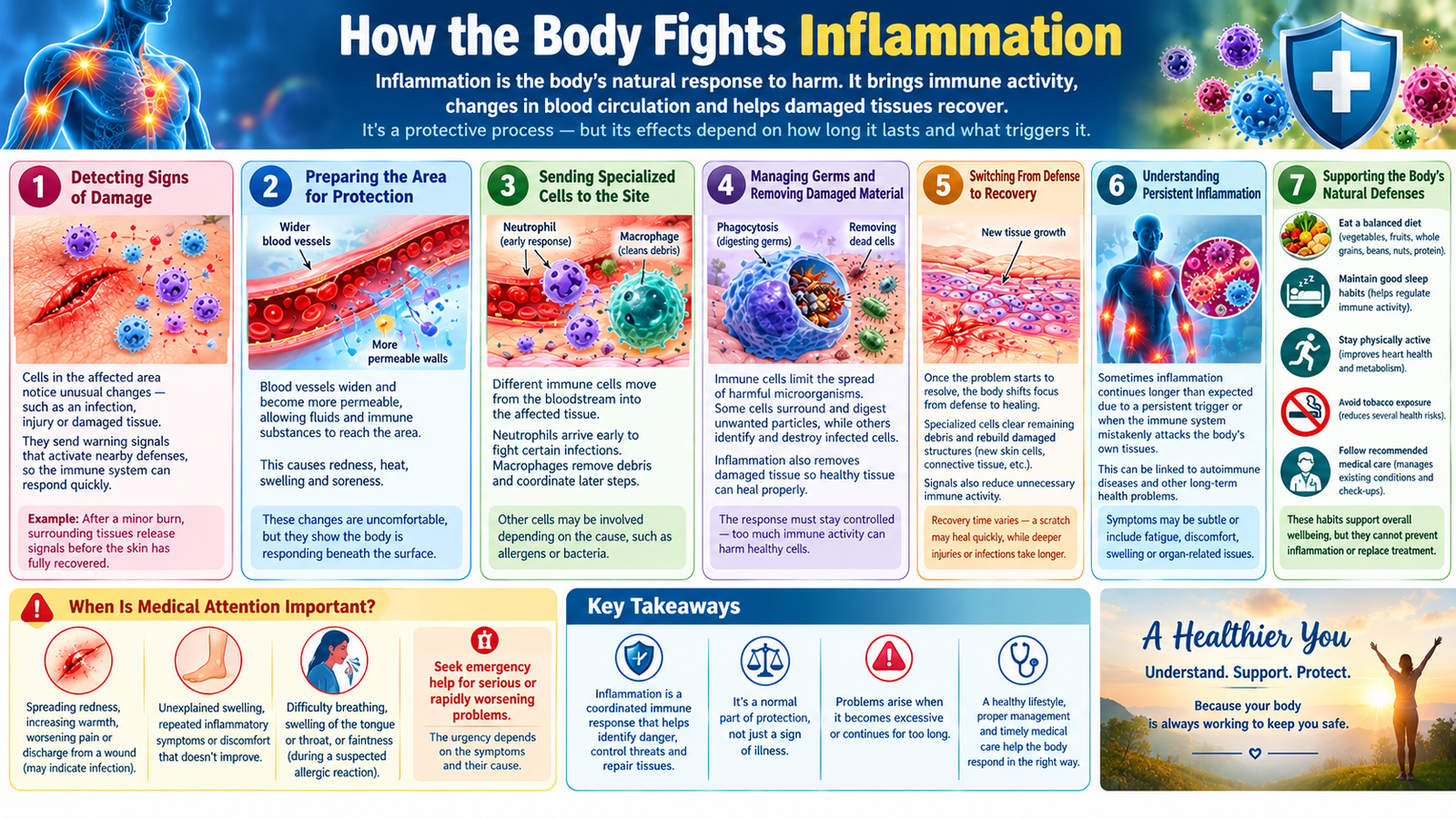
The immune system is made up of organs, tissues, cells, and proteins that work together to protect the body. It acts as a security system that constantly monitors for harmful invaders and responds quickly when threats are detected.
When germs enter the body, immune cells recognize them as foreign substances and begin a defense response. This process helps prevent infections from spreading and allows the body to recover more effectively.
The strength of this defense system depends heavily on nutrition, sleep, physical activity, stress levels, and other lifestyle factors.
The Role of Nutrition in Immunity
Eating a Variety of Nutrient-Rich Foods
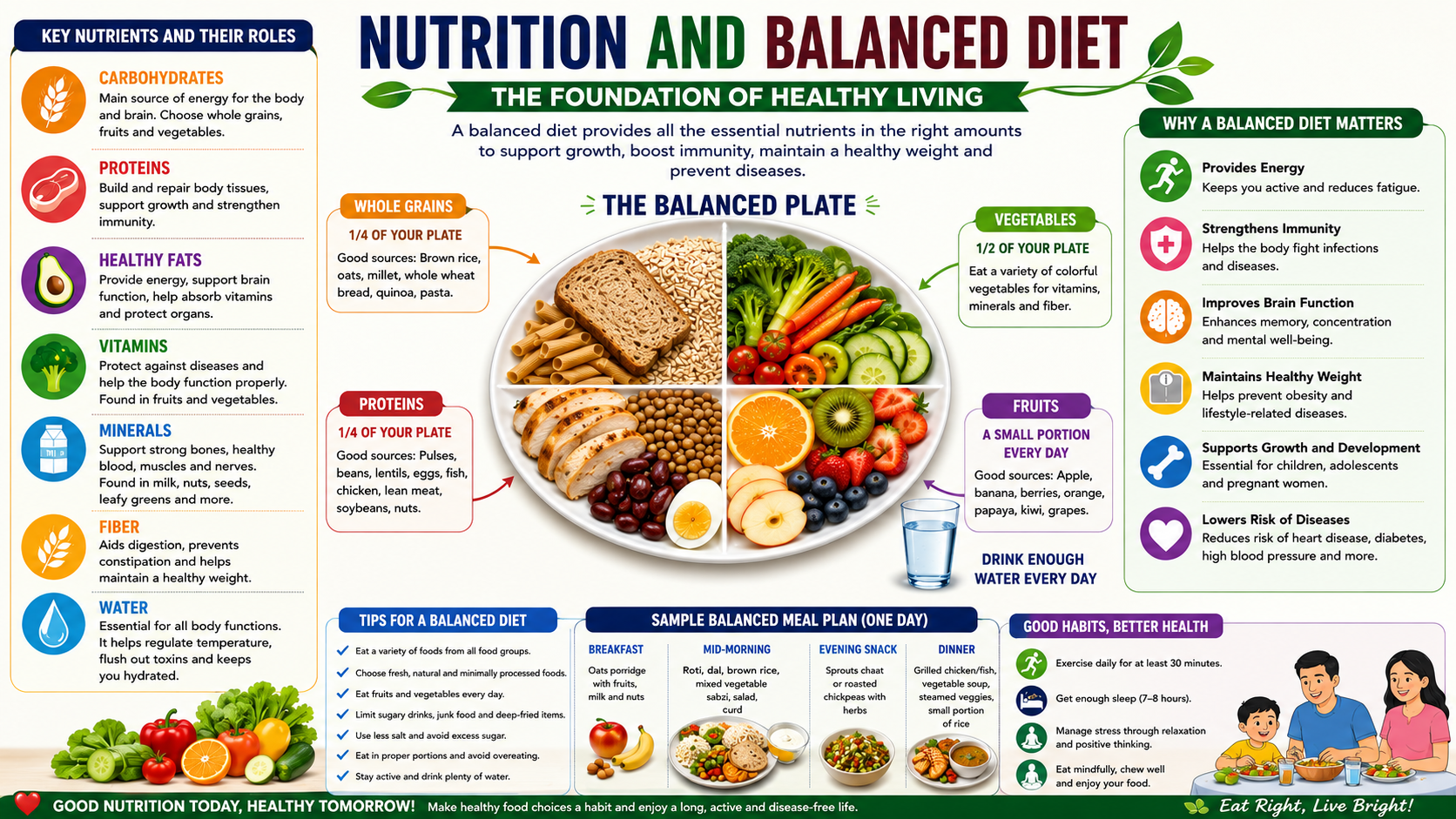
The immune system requires a steady supply of nutrients to function efficiently. A balanced diet containing fruits, vegetables, whole grains, proteins, and healthy fats provides the body with essential vitamins and minerals that support immune activity.
Colorful fruits and vegetables are particularly valuable because they contain antioxidants that help protect cells from damage caused by harmful molecules known as free radicals.
Importance of Vitamins and Minerals
Certain nutrients play especially important roles in supporting immunity:
- Vitamin C helps support the production and function of immune cells.
- Vitamin D contributes to immune regulation and defense mechanisms.
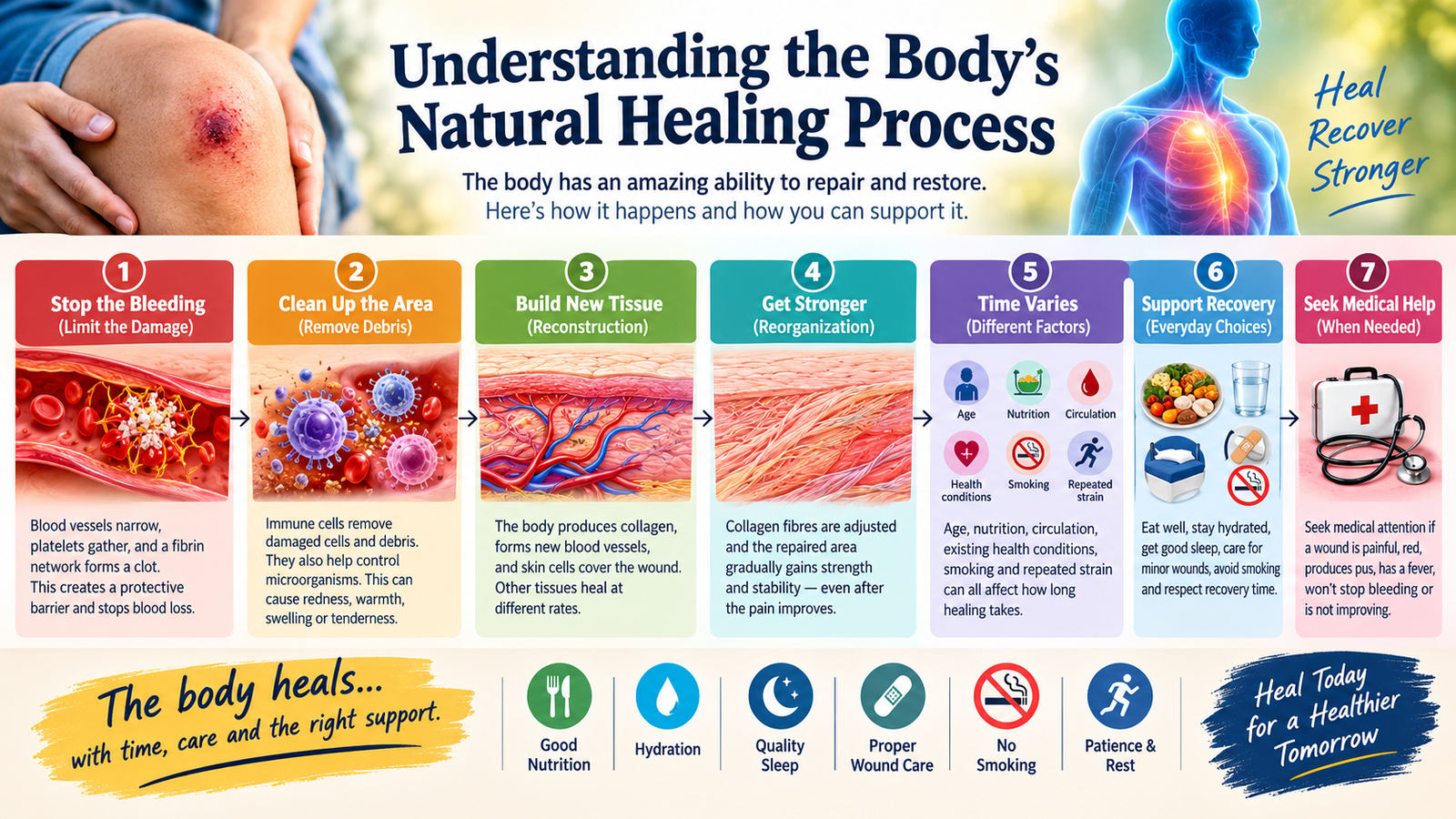
- Zinc supports wound healing and immune cell activity.
- Iron helps transport oxygen and supports normal immune responses.
- Selenium contributes to antioxidant protection within the body.
Obtaining these nutrients through a varied and balanced diet helps maintain optimal immune function.
Adequate Sleep and Immune Health
Sleep is one of the body’s most powerful recovery tools. During sleep, the immune system produces protective proteins and restores immune cells that help fight infections.
People who regularly receive sufficient sleep often recover more quickly from illnesses and may experience fewer infections than those who are chronically sleep deprived.
Most adults benefit from seven to nine hours of quality sleep each night, while children and teenagers generally require more sleep to support growth and immune development.
Regular Physical Activity
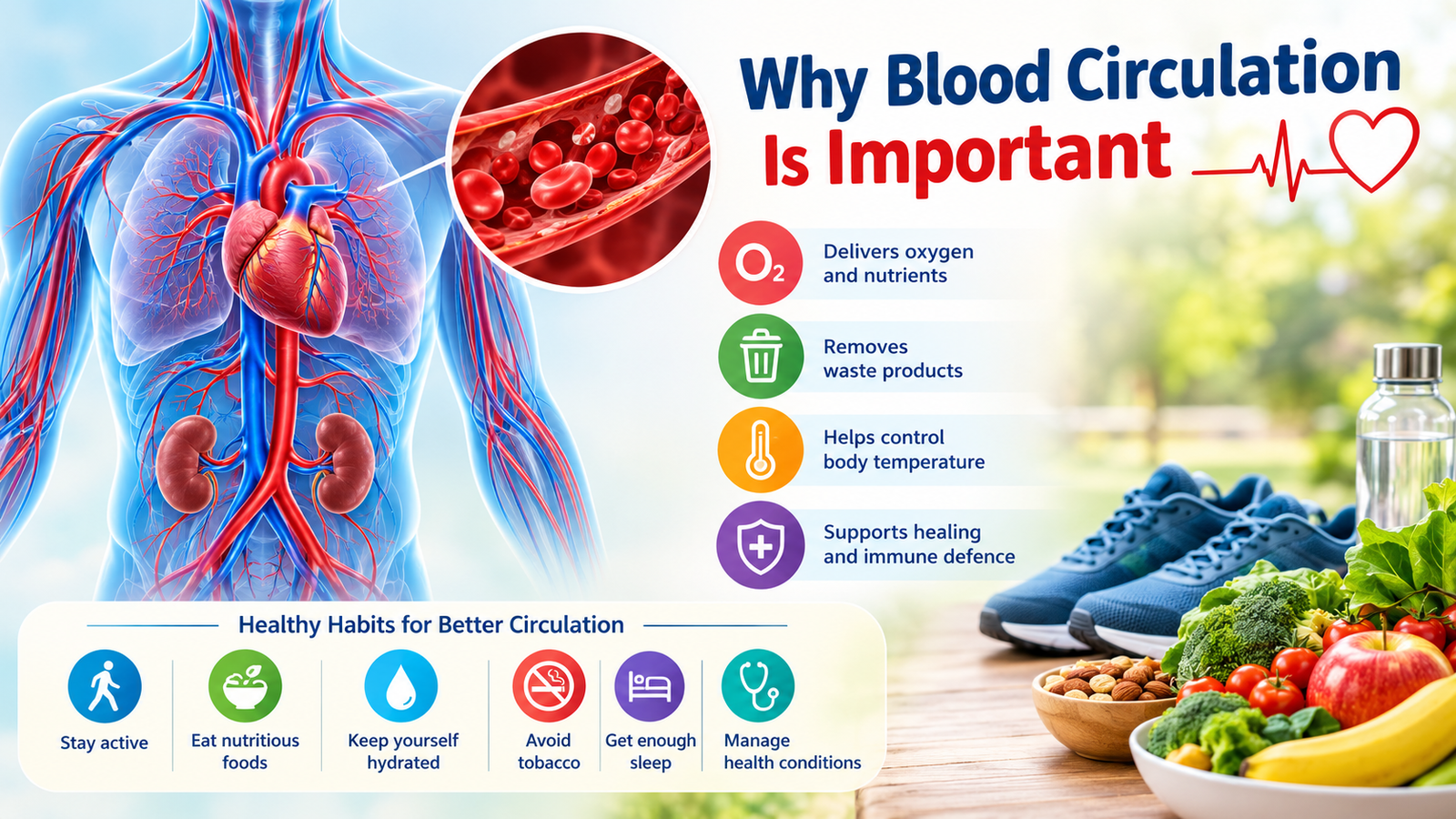
Exercise contributes to a stronger immune system by improving blood circulation and supporting the movement of immune cells throughout the body.
Moderate physical activity such as walking, cycling, swimming, or stretching can improve overall health and help maintain effective immune function.
However, balance is important. Excessive physical strain without adequate recovery may temporarily weaken the body’s defenses.
Staying Properly Hydrated
Water is essential for nearly every process in the body, including immune function. Proper hydration supports circulation, nutrient transport, and the removal of waste products.
Adequate fluid intake also helps maintain the health of mucous membranes in the nose and throat, which act as important barriers against harmful microorganisms.
Drinking water regularly throughout the day helps the body perform these protective functions effectively.
Managing Stress Effectively
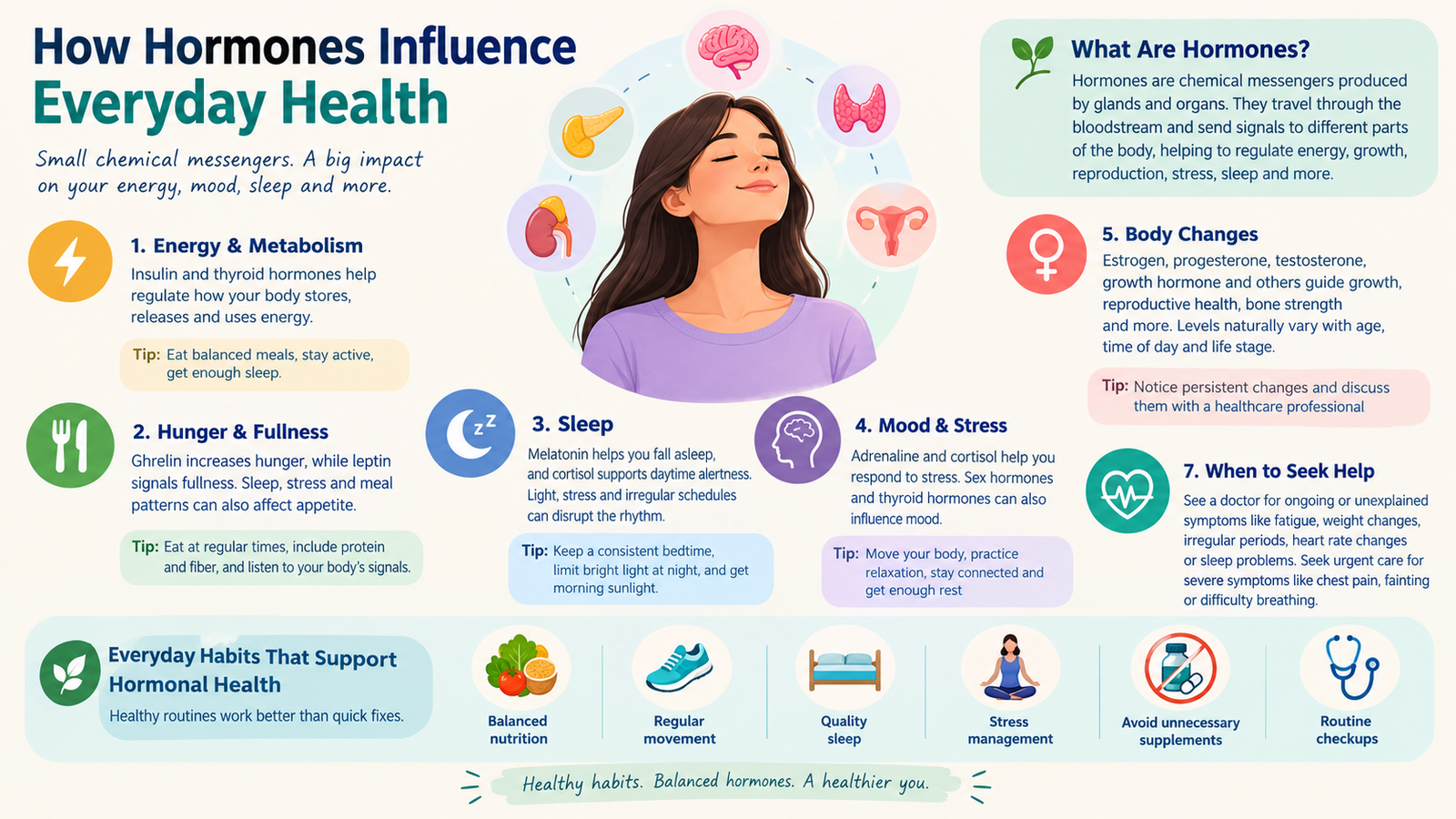
Long-term stress can negatively affect immune function by increasing the production of stress hormones that interfere with the body’s defense responses.
Learning healthy ways to manage stress can support both physical and mental health. Activities such as deep breathing, meditation, reading, spending time outdoors, and engaging in hobbies may help reduce stress levels.
Maintaining social connections and seeking support during difficult times can also contribute to emotional well-being and stronger immunity.
The Importance of Gut Health
A large portion of the immune system is closely connected to the digestive system. Maintaining a healthy balance of beneficial bacteria in the intestines supports immune activity and helps protect against harmful microorganisms.
Consuming foods rich in fiber and maintaining a diverse diet can contribute to a healthier digestive environment and support immune health.
Maintaining Good Personal Hygiene
Personal hygiene helps reduce exposure to harmful microorganisms and supports the work of the immune system.
Simple habits that contribute to disease prevention include:
- Washing hands regularly with soap and water.
- Practicing good oral hygiene.
- Keeping food preparation areas clean.
- Covering the mouth and nose when coughing or sneezing.
- Avoiding close contact with individuals who are ill when possible.
These preventive measures reduce the burden placed on the immune system.
Avoiding Harmful Lifestyle Habits
Certain habits can weaken the body’s natural defenses and reduce its ability to fight infections effectively.
Examples include:
- Smoking and tobacco use.
- Excessive alcohol consumption.
- Poor dietary habits.
- Chronic sleep deprivation.
- Prolonged inactivity.
Replacing unhealthy behaviors with positive lifestyle choices can significantly improve overall health and immune performance.
Spending Time Outdoors
Safe exposure to sunlight contributes to the body’s production of vitamin D, an important nutrient for immune regulation and bone health.
Outdoor activities also encourage physical movement, reduce stress, and support mental well-being, all of which contribute indirectly to stronger immunity.
Maintaining a Healthy Body Weight
Both undernutrition and excessive body weight can affect immune function. Maintaining a healthy weight through balanced nutrition and regular physical activity helps support the body’s defense mechanisms and overall health.
Building Healthy Habits for Children
Children benefit greatly from healthy routines established early in life. Nutritious meals, regular physical activity, adequate sleep, and good hygiene habits help support growth and immune development during childhood.
Parents and caregivers play an important role in encouraging these lifelong healthy behaviors.
Natural Immunity Is Built Over Time
There is no single food, supplement, or habit that can instantly strengthen the immune system overnight. Strong immunity develops gradually through consistent healthy choices and balanced living.
Focusing on long-term habits rather than quick solutions provides the greatest benefits for overall health and disease prevention.
Conclusion
Building a strong immune system naturally involves supporting the body through proper nutrition, quality sleep, regular exercise, adequate hydration, stress management, and healthy daily habits. These lifestyle choices work together to improve the body’s ability to defend against infections and recover from illness.
Although no approach can guarantee complete protection from disease, maintaining healthy routines can significantly improve resilience, energy levels, and overall well-being. By investing in these habits every day, individuals can strengthen their natural defenses and enjoy a healthier and more active life.