Introduction
A small cut can close without anyone telling the skin what to do. A bruised knee gradually changes colour, and a sore muscle may feel better after a period of rest. These everyday experiences reveal something remarkable: the human body has built-in systems that help restore damaged tissues.
Healing is not a single event. It involves a series of coordinated activities, from detecting damage to rebuilding affected structures. The time required depends on the injury, the tissue involved, and the person’s overall health.
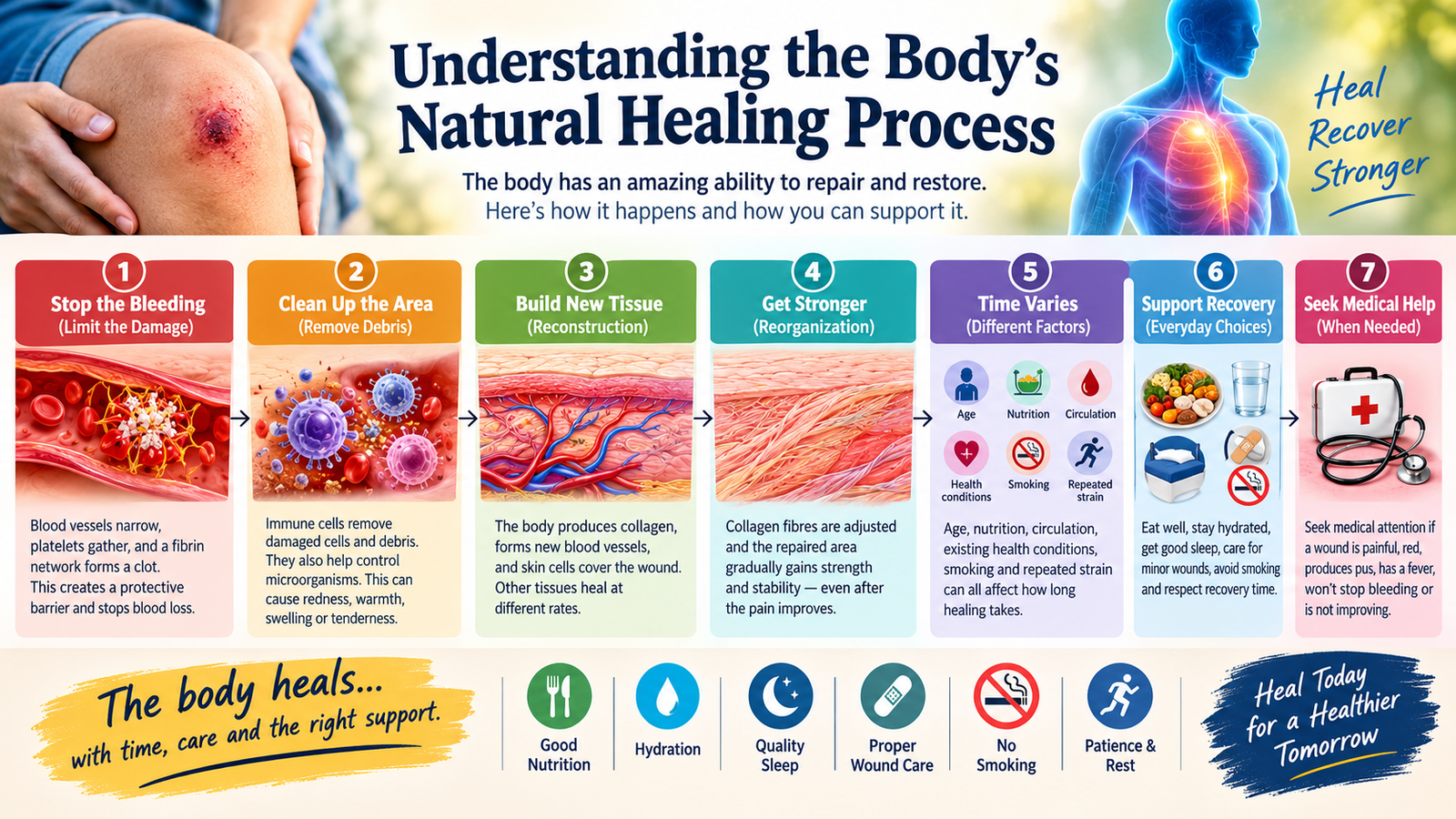
1. The Body First Limits the Damage
When a blood vessel is injured, the body immediately begins controlling blood loss. Nearby vessels narrow temporarily, and platelets gather around the damaged area.
These platelets help form a temporary plug. Proteins in the blood then work together to create a fibrin network that strengthens the developing clot.
This early response provides a protective barrier while the underlying tissue begins recovering.
A scraped knee offers a familiar example. The initial bleeding slows, a clot forms, and the surface gradually develops a protective scab. The scab helps shield the wound, but the deeper repair process continues underneath it.
2. Cleanup Comes Before Reconstruction
After the initial response, the body must deal with damaged cells and unwanted material around the injury.
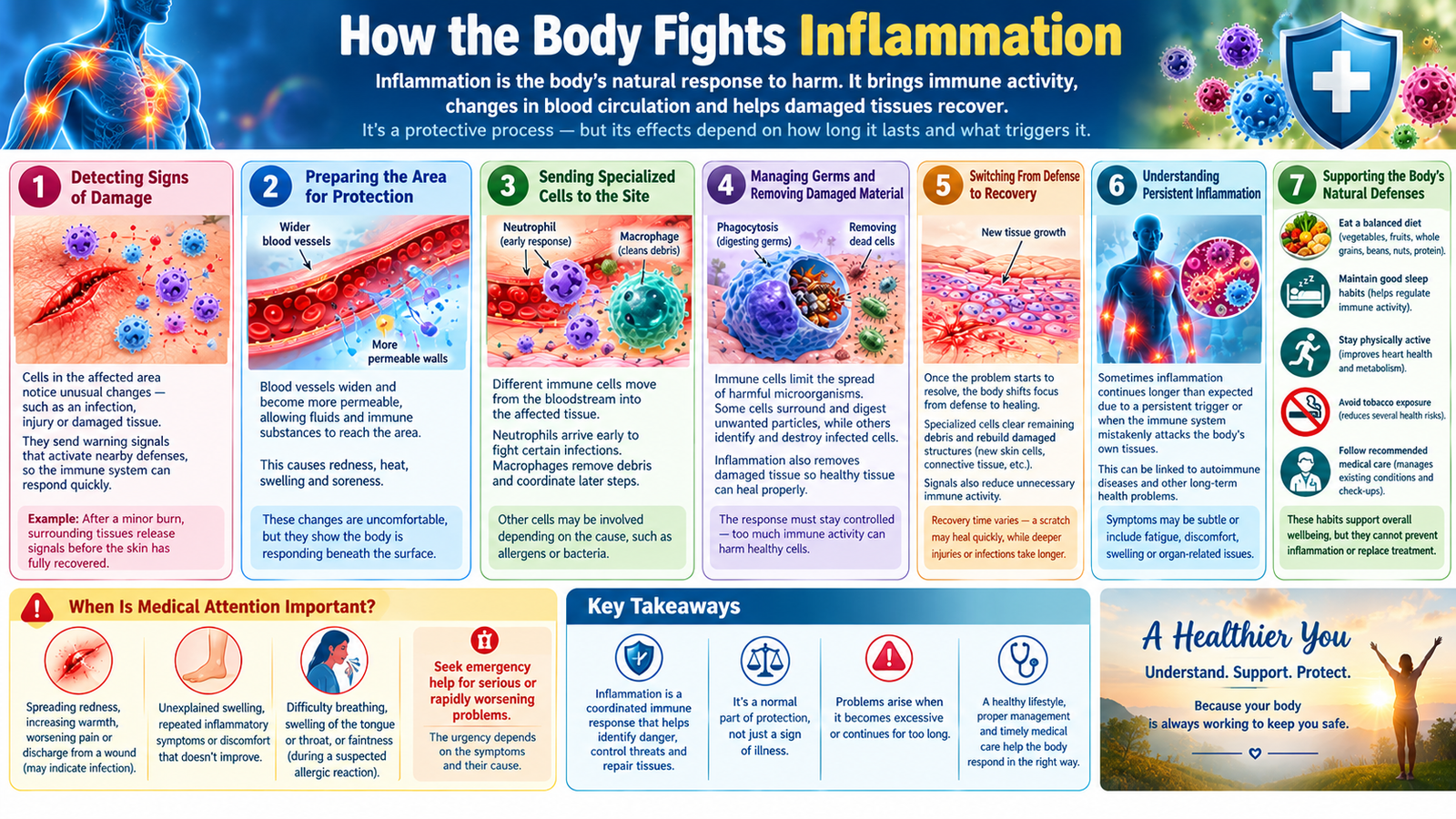
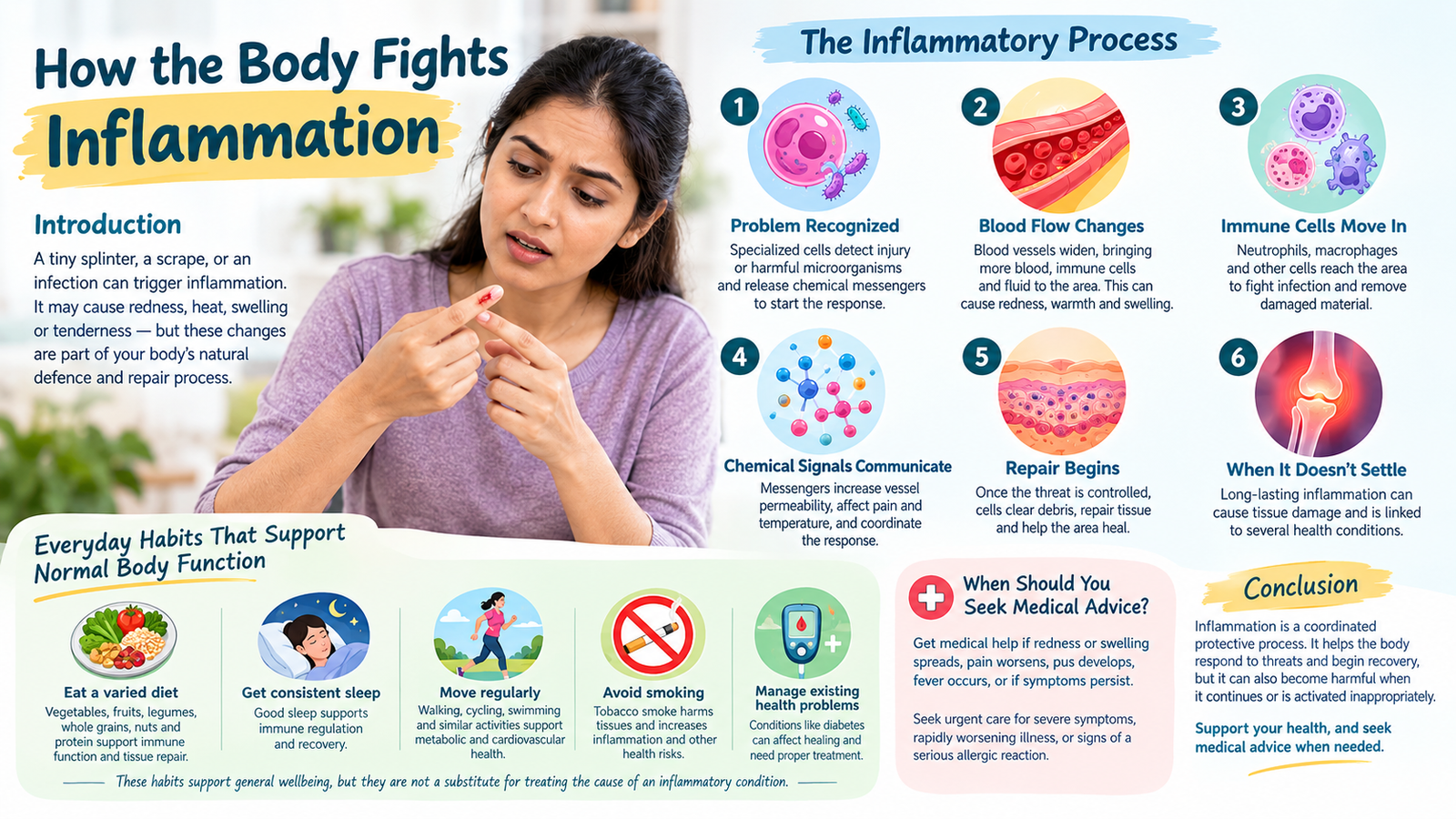
Immune cells travel to the affected location and remove debris. They also help control microorganisms that could interfere with recovery.
This activity may produce temporary redness, warmth, swelling, or tenderness. These changes can occur during normal healing, although their severity and duration vary.
The important point is that the body does not simply cover an injury and move on. It prepares the affected area so that repair can take place.
3. New Tissue Begins to Develop
Once the early stages are underway, the body starts replacing damaged structures.
Specialized cells produce collagen, a protein that provides strength and support to many tissues. New blood vessels may develop to deliver oxygen and nutrients to the recovering area.
Skin cells gradually cover an open wound, while other tissues follow their own repair patterns.
The process differs considerably across the body. Superficial skin injuries may heal relatively quickly, whereas damage involving tendons, nerves, or certain other structures can take much longer.
Even when a wound looks closed, the tissue beneath it may still be gaining strength.
4. Healing Continues After the Pain Improves
Feeling better does not always mean that recovery is complete.
During the later stages, the body reorganizes newly formed tissue. Collagen fibres are adjusted, and the repaired area gradually develops greater strength and stability.
For example, a person may notice less discomfort from a minor injury before the affected tissue has regained its previous resilience.
Returning to strenuous activity too early can sometimes place unnecessary stress on recovering structures. The appropriate return to normal activity depends on the injury and any medical instructions received.
5. Why Recovery Takes Different Amounts of Time
Two people can experience similar injuries and recover at different rates. Several factors influence the process.
Age: Tissue repair and immune responses can change as people grow older.
Nutrition: The body needs adequate energy, protein, vitamins, minerals, and other nutrients to maintain and repair tissues.
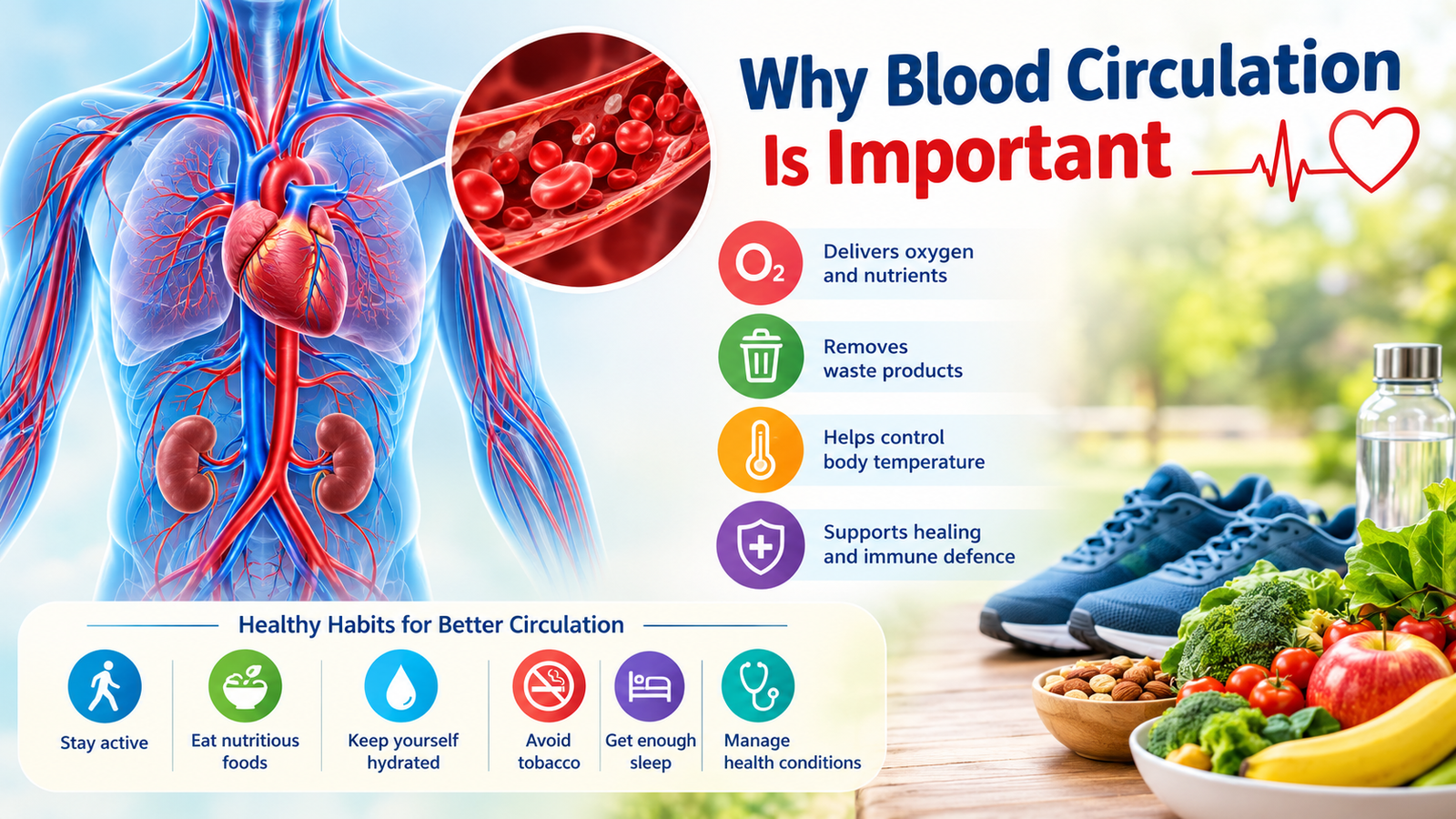
Blood circulation: Oxygen and nutrients must reach the injured area. Conditions that affect circulation may interfere with recovery.
Existing health conditions: Some illnesses, including diabetes, can delay wound healing when they are not well controlled.
Smoking: Tobacco use can reduce the oxygen available to tissues and interfere with normal repair.
Repeated strain: Continually disturbing an injury may prevent the affected area from recovering as expected.
These influences help explain why healing cannot always be accelerated simply by resting for an extra day or taking a particular supplement.
6. Everyday Ways to Support Recovery
The body performs much of its repair work automatically, but everyday choices can help create favourable conditions.
- Eat balanced meals: Include appropriate protein sources, vegetables, fruits, whole grains, and other nutrient-rich foods.
- Drink enough fluids: Adequate hydration supports normal bodily functions.
- Get sufficient sleep: Regular sleep supports immune function and general recovery.
- Follow suitable wound care: Clean minor wounds appropriately and protect them from repeated irritation.
- Avoid smoking: Reducing exposure to tobacco smoke supports overall tissue health.
- Respect recovery time: Follow professional guidance about exercise, work, and other activities after an injury.
More treatment is not always better. Applying unproven substances to a wound or taking high doses of supplements without medical advice may cause problems rather than improve healing.
7. When Healing Needs Medical Attention
A wound that becomes increasingly painful, develops spreading redness, produces pus, or is accompanied by fever may require medical assessment.
Deep wounds, serious burns, animal bites, and wounds that will not stop bleeding also need appropriate attention. Some injuries require professional cleaning, closure, or other treatment.
People with diabetes or reduced circulation should be particularly careful with wounds that heal slowly.
Seek medical advice if an injury does not improve as expected or if symptoms worsen instead of gradually settling.
Conclusion
The body’s healing process involves much more than closing a wound. Blood components limit bleeding, immune cells clear damaged material, and specialized cells rebuild and strengthen affected tissues.
Recovery takes time because these activities must happen in a coordinated sequence. Good nutrition, adequate sleep, appropriate wound care, and patience can support the process, but they cannot replace medical treatment when an injury needs it.
Understanding how healing works helps us recognize the body’s remarkable repair abilities while knowing when professional care is necessary.
Verification Code: N7Q4L9X2C6