Introduction
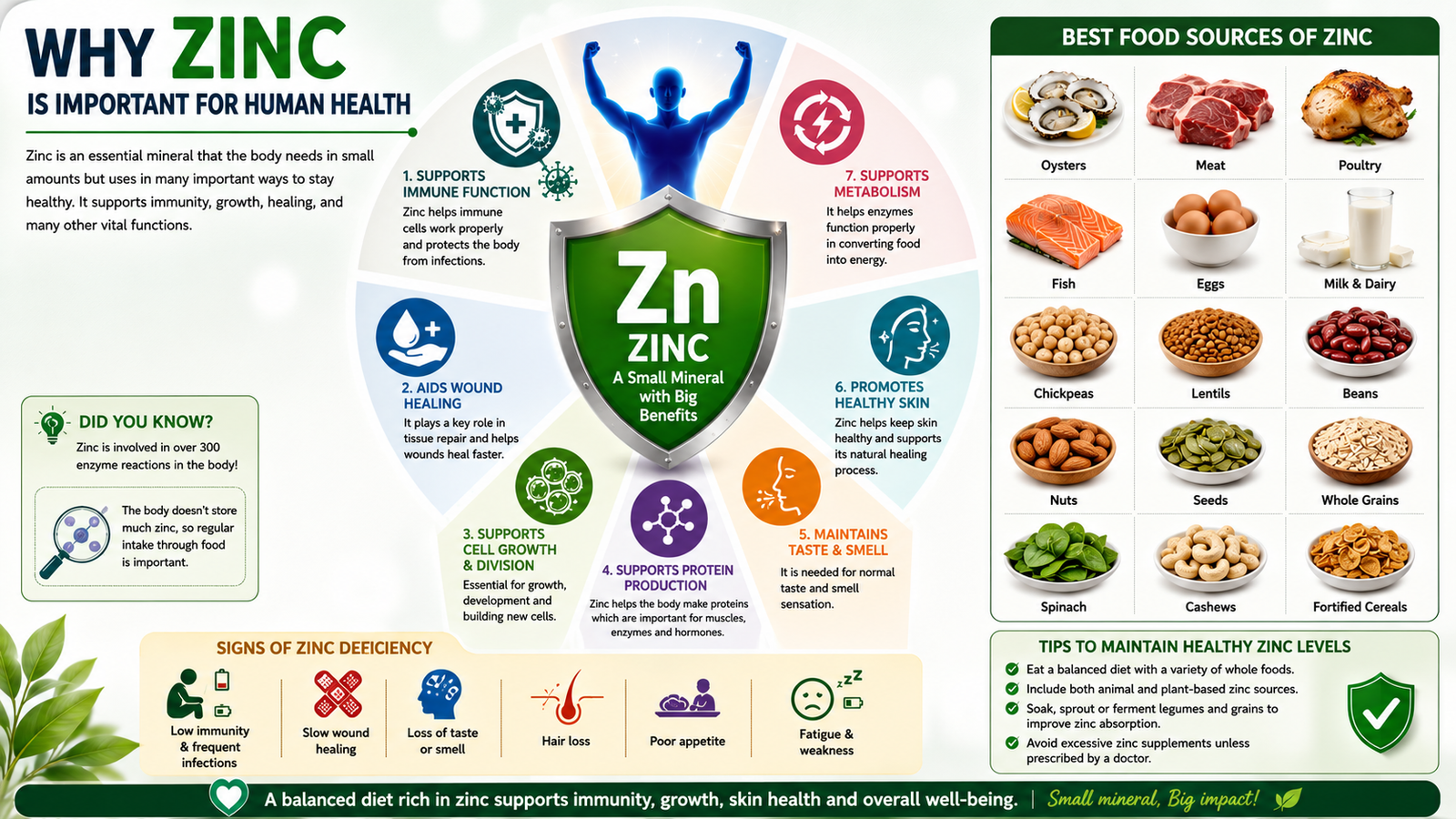
Zinc is an essential mineral that the body needs in small quantities but uses in many important processes. It contributes to normal immune function, wound healing, cell growth, protein production, and several other biological activities.
Because the body does not store large amounts of zinc, regular dietary intake is important. Fortunately, zinc is found in a variety of foods, making it possible for most people to obtain enough through a balanced diet.
What Is Zinc?
Zinc is a trace mineral involved in the activity of numerous enzymes and proteins. These substances help control chemical reactions that take place inside cells.
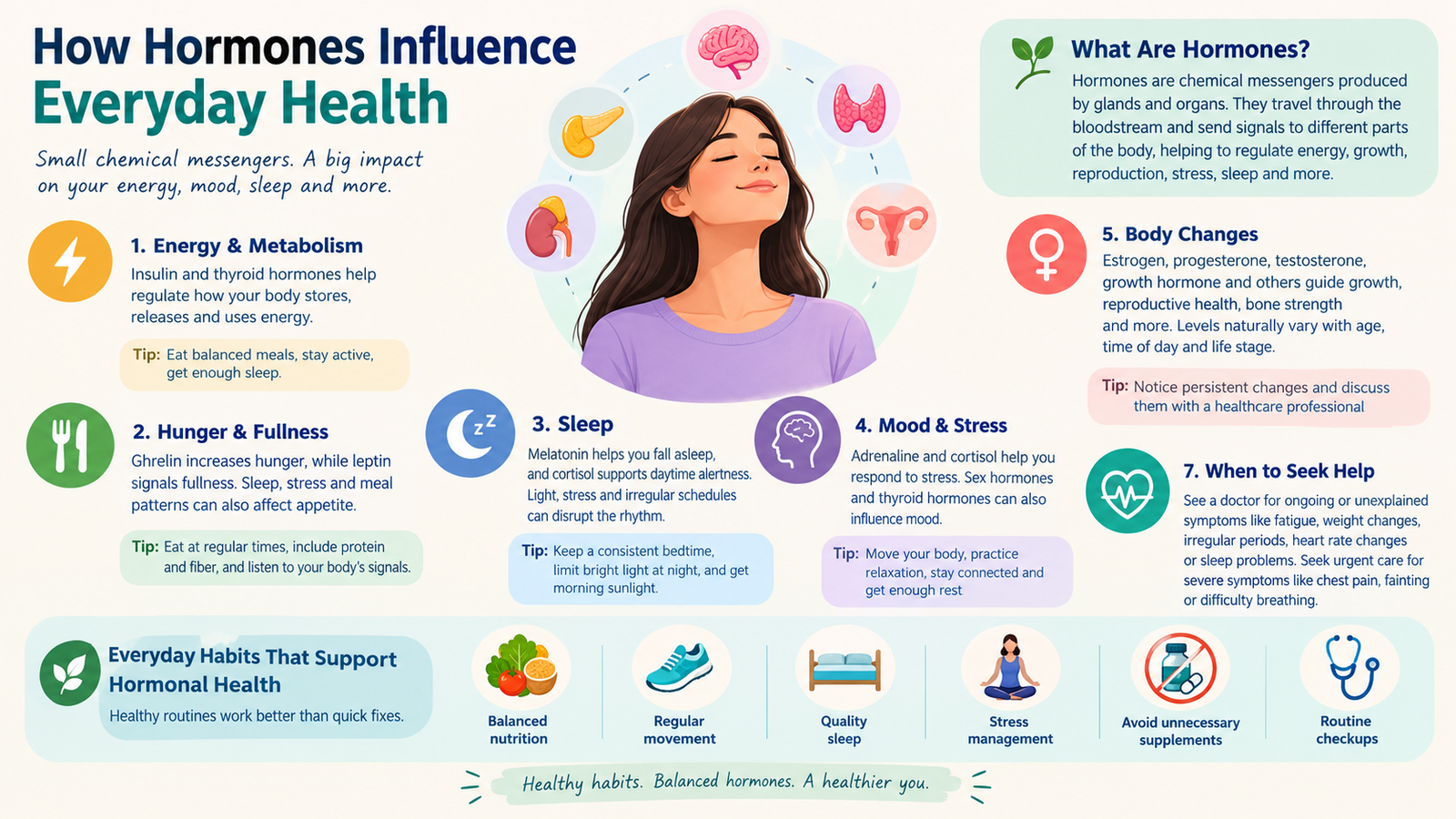
Zinc is particularly important during periods when the body is growing or repairing tissues. Children, teenagers, pregnant individuals, and people recovering from certain illnesses may have different nutritional requirements.
1. Supports Normal Immune Function
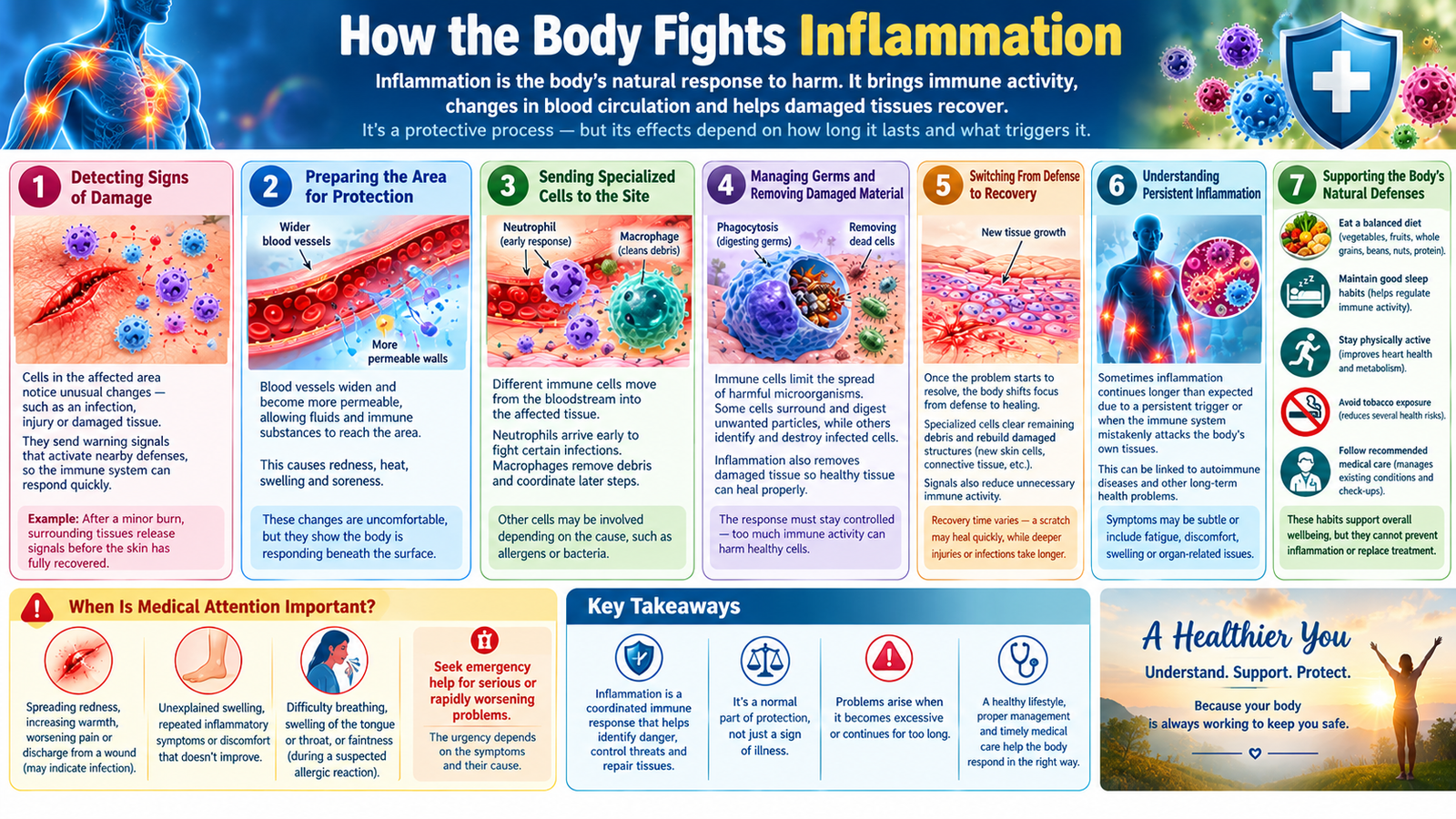
The immune system depends on many different cells and chemical processes. Zinc contributes to the normal development and activity of immune cells.
Getting adequate zinc through food can therefore help maintain normal immune function. However, taking large amounts of zinc does not necessarily provide extra protection from illness and can cause problems when consumed excessively.
2. Helps the Body Heal Wounds
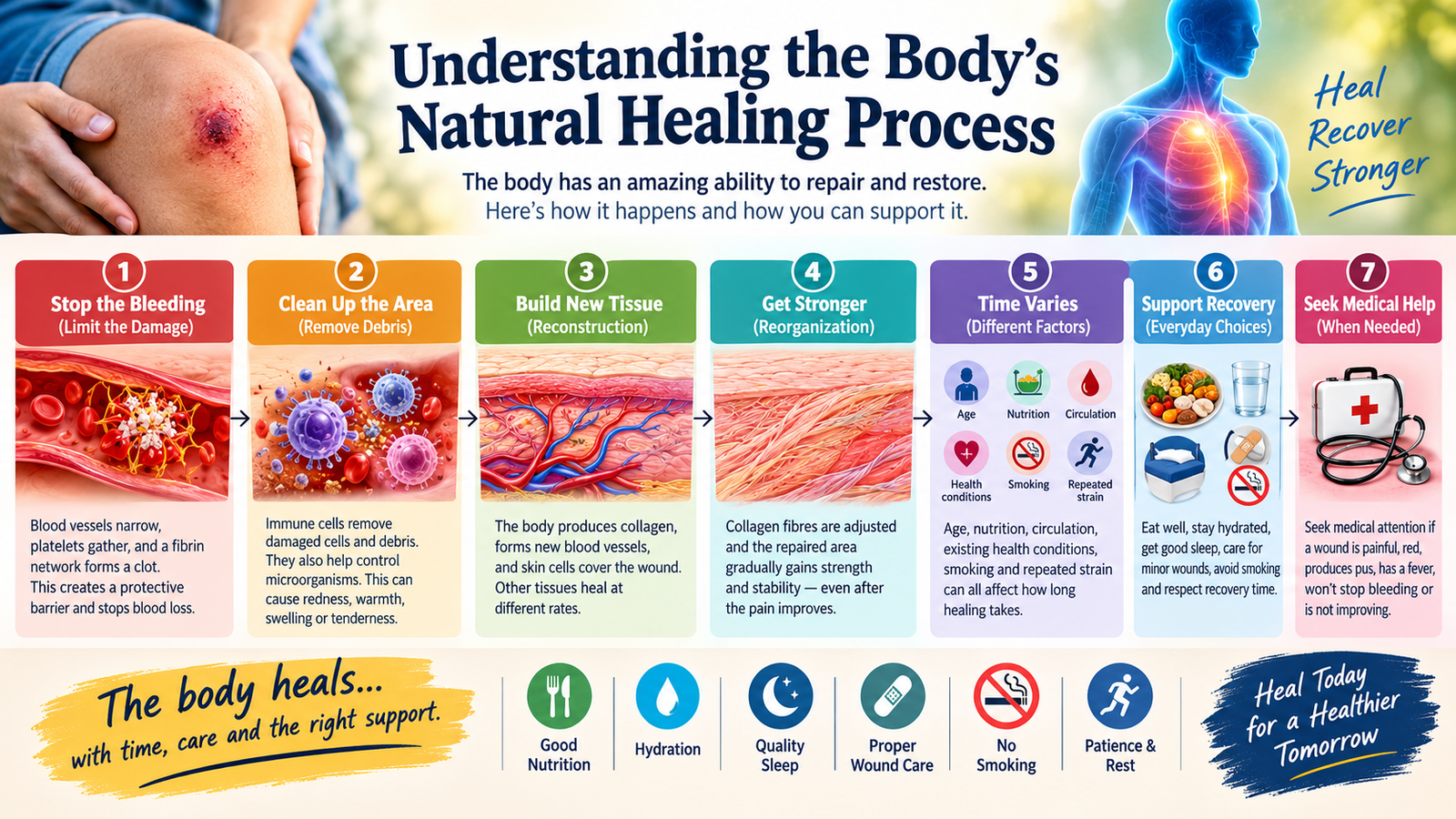
When the skin is damaged, the body begins a series of processes to repair the affected area. Zinc participates in cell division, protein production, and tissue repair, all of which are involved in normal wound healing.
Adequate nutrition, including sufficient zinc, is therefore important for maintaining healthy skin and supporting the body’s natural repair processes.
3. Contributes to Cell Growth and Division
The body constantly creates new cells and replaces older or damaged ones. Zinc is involved in cell division and DNA-related processes.
This role is especially relevant during childhood, adolescence, pregnancy, and other stages when tissues are developing rapidly.
4. Supports Healthy Skin
Zinc contributes to maintaining normal skin and plays a role in tissue repair. A balanced diet containing adequate zinc can help provide the nutrients the body needs for normal skin function.
Skin problems can have many causes, however, so zinc supplements should not be used as a general treatment without professional advice.
5. Helps Maintain Normal Protein Production
Proteins perform countless jobs throughout the body, from supporting muscles and tissues to forming enzymes and other important molecules.
Zinc participates in biological processes involved in protein synthesis. This makes it an important nutrient for normal growth, maintenance, and repair.
6. Supports Normal Taste and Smell
Zinc is involved in normal sensory function, including the ability to taste and smell.
Changes in taste or smell can have numerous causes, including infections, medications, nutritional deficiencies, and other health conditions. Persistent changes should be discussed with a healthcare professional rather than automatically attributed to zinc deficiency.
7. Contributes to Healthy Metabolism
Zinc is involved in the activity of enzymes responsible for various metabolic reactions. These reactions help the body process nutrients and maintain normal cellular functions.
This illustrates why even trace amounts of certain minerals can have an important role in overall health.
Foods That Contain Zinc
Zinc can be obtained from both animal and plant foods. Some useful sources include:
- Meat and poultry
- Fish and seafood
- Eggs
- Milk and dairy products
- Beans and lentils
- Chickpeas
- Nuts
- Seeds
- Whole grains
- Fortified breakfast cereals
Including different food groups in your diet can help provide zinc along with protein, vitamins, fiber, and other essential nutrients.
Zinc From Plant Foods
People who primarily eat plant-based foods can obtain zinc from beans, lentils, nuts, seeds, and whole grains.
However, some plant foods contain compounds called phytates that can reduce the amount of zinc absorbed by the body. Food preparation methods such as soaking, sprouting, fermenting, or cooking can influence mineral availability.
A varied plant-based diet can still provide zinc when meals are planned thoughtfully.
What Happens When Zinc Intake Is Too Low?
Insufficient zinc intake over time can affect normal body functions. Possible signs may include reduced appetite, impaired wound healing, changes in taste or smell, hair-related changes, or increased susceptibility to illness.
These symptoms are not specific to zinc deficiency and may occur for many other reasons. A healthcare professional can determine whether a deficiency is actually present.
Can Too Much Zinc Be Harmful?
Yes. More zinc is not always better.
Excessive zinc supplementation can cause nausea, stomach discomfort, and other unwanted effects. Long-term high intake can also interfere with copper absorption and potentially contribute to other nutritional problems.
For this reason, high-dose zinc supplements should not be taken routinely without appropriate medical guidance.
Who May Need Extra Attention to Zinc Intake?
Certain people may have a higher risk of inadequate zinc intake, including individuals with restricted diets, some digestive disorders, or conditions that interfere with nutrient absorption.
Nutritional requirements can also change during pregnancy, breastfeeding, childhood, and adolescence.
Anyone concerned about their zinc status should discuss their diet and symptoms with a qualified healthcare professional.
Simple Ways to Include More Zinc
Supporting zinc intake does not require complicated dietary changes. Consider adding beans or lentils to meals, including nuts and seeds as snacks, choosing whole grains, or incorporating eggs, dairy, seafood, or lean meat if these foods fit your diet.
Eating a variety of nutritious foods is generally more useful than concentrating on a single nutrient.
Conclusion
Zinc may be needed only in small amounts, but its contribution to human health is significant. It supports normal immune function, cell division, tissue repair, protein production, skin health, and sensory function.
For most people, a varied diet is the best starting point for meeting zinc needs. Supplements may be appropriate in specific situations, but taking high doses without professional advice can be harmful.
Maintaining good nutrition is ultimately about balance. Providing the body with enough zinc, along with a wide range of other essential nutrients, can help support normal growth, repair, and everyday body functions.
Verification Code: ZN6Q8XM41RP