Introduction
Food is much more than a source of energy—it is the foundation of good health and overall well-being. The choices people make about what and how they eat have a lasting impact on their physical health, mental performance, and quality of life. In today’s fast-paced society, many individuals rely on processed foods, sugary drinks, and irregular eating patterns because of busy schedules. While these habits may seem convenient, they can gradually lead to nutritional deficiencies and increase the risk of lifestyle-related diseases.
Developing healthy eating habits does not require strict diets or eliminating favorite foods. Instead, it involves making balanced and informed food choices that provide the body with the nutrients it needs. Small, consistent improvements in daily eating patterns can lead to significant long-term health benefits.
Understanding Healthy Eating
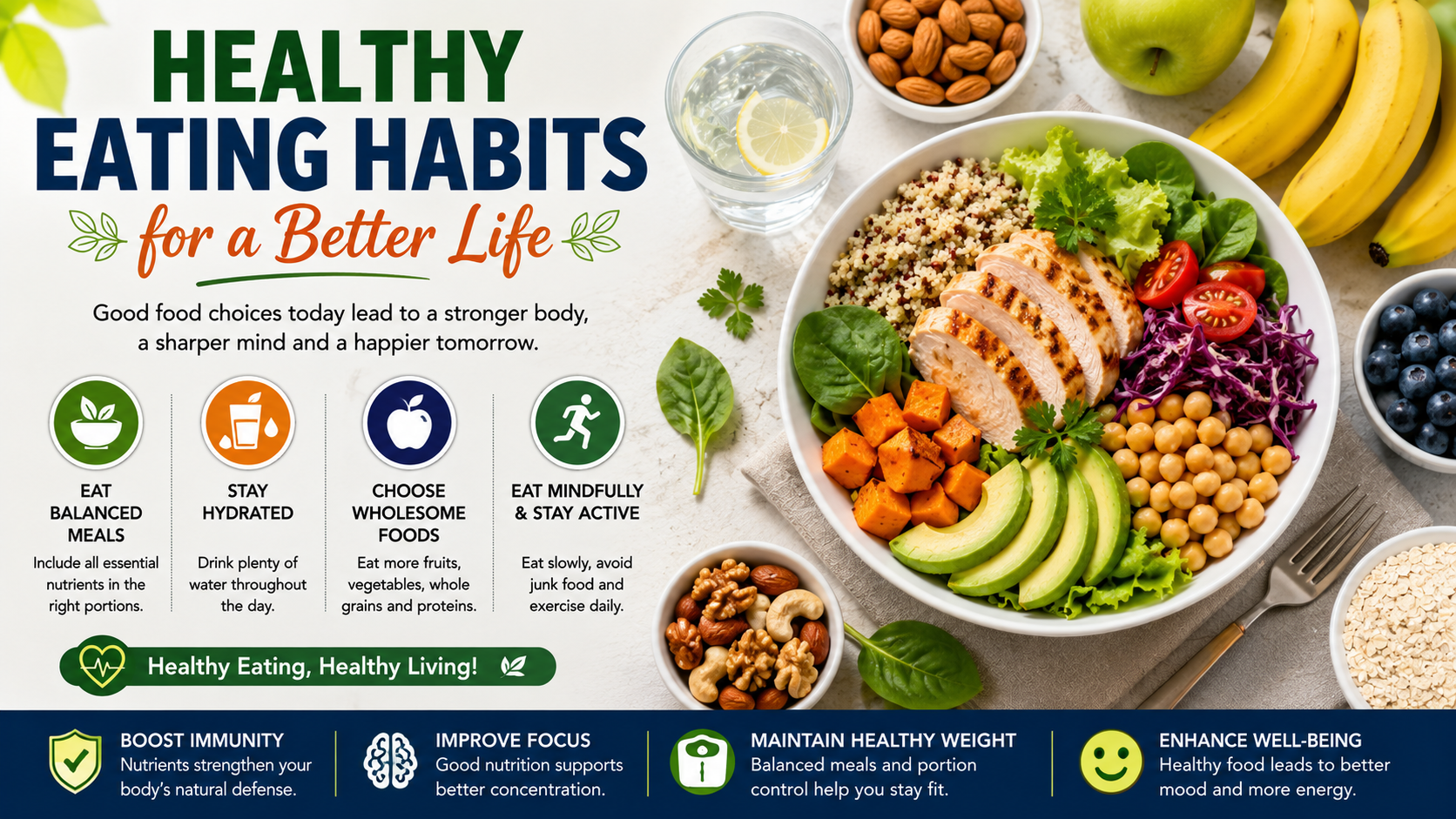
Healthy eating means consuming a variety of foods that supply the body with essential nutrients, including carbohydrates, proteins, healthy fats, vitamins, minerals, fiber, and water. Every nutrient has a specific role in supporting body functions such as growth, tissue repair, energy production, and disease prevention.
A healthy diet is not about eating less; it is about eating wisely. Choosing fresh, nutritious foods while limiting highly processed items helps the body function efficiently and supports overall wellness.
Why Healthy Eating Matters
The human body depends on proper nutrition to perform everyday activities. Nutritious foods provide the fuel needed for work, study, exercise, and other daily tasks. They also help maintain a healthy immune system, support brain function, and improve emotional well-being.
Poor eating habits may contribute to weight gain, fatigue, digestive problems, weakened immunity, and an increased risk of chronic illnesses such as diabetes, heart disease, and high blood pressure. Maintaining healthy eating habits from an early age supports lifelong health.
Essential Components of a Healthy Diet
Eat a Variety of Foods
No single food contains every nutrient the body requires. Including different fruits, vegetables, whole grains, legumes, dairy products or suitable alternatives, lean proteins, nuts, and seeds ensures a balanced intake of essential nutrients.
Choose Fresh and Natural Foods
Fresh foods generally contain more nutrients and fewer unhealthy additives than heavily processed products. Preparing meals at home also provides greater control over ingredients, portion sizes, and cooking methods.
Include Plenty of Fruits and Vegetables
Fruits and vegetables provide vitamins, minerals, antioxidants, and dietary fiber that support digestion, strengthen immunity, and protect body cells. Eating colorful produce helps ensure a wide range of nutrients.
Select Healthy Protein Sources
Protein is essential for building muscles, repairing tissues, and supporting immune function. Good sources include beans, lentils, eggs, fish, poultry, dairy products, soy products, and nuts.
Choose Whole Grains
Whole grains contain more fiber and nutrients than refined grains. Foods such as whole wheat, brown rice, oats, and millets help maintain energy levels and support digestive health.
Healthy Eating Habits to Follow
Developing positive eating habits is just as important as choosing nutritious foods.
- Eat meals at regular times each day.
- Avoid skipping breakfast.
- Eat slowly and chew food properly.
- Pay attention to hunger and fullness signals.
- Drink enough water throughout the day.
- Reduce the consumption of sugary drinks and packaged snacks.
- Limit foods high in salt, sugar, and unhealthy fats.
- Practice portion control instead of overeating.
- Plan meals in advance to avoid unhealthy food choices.
Following these habits consistently promotes better digestion and healthier eating patterns.
The Importance of Hydration
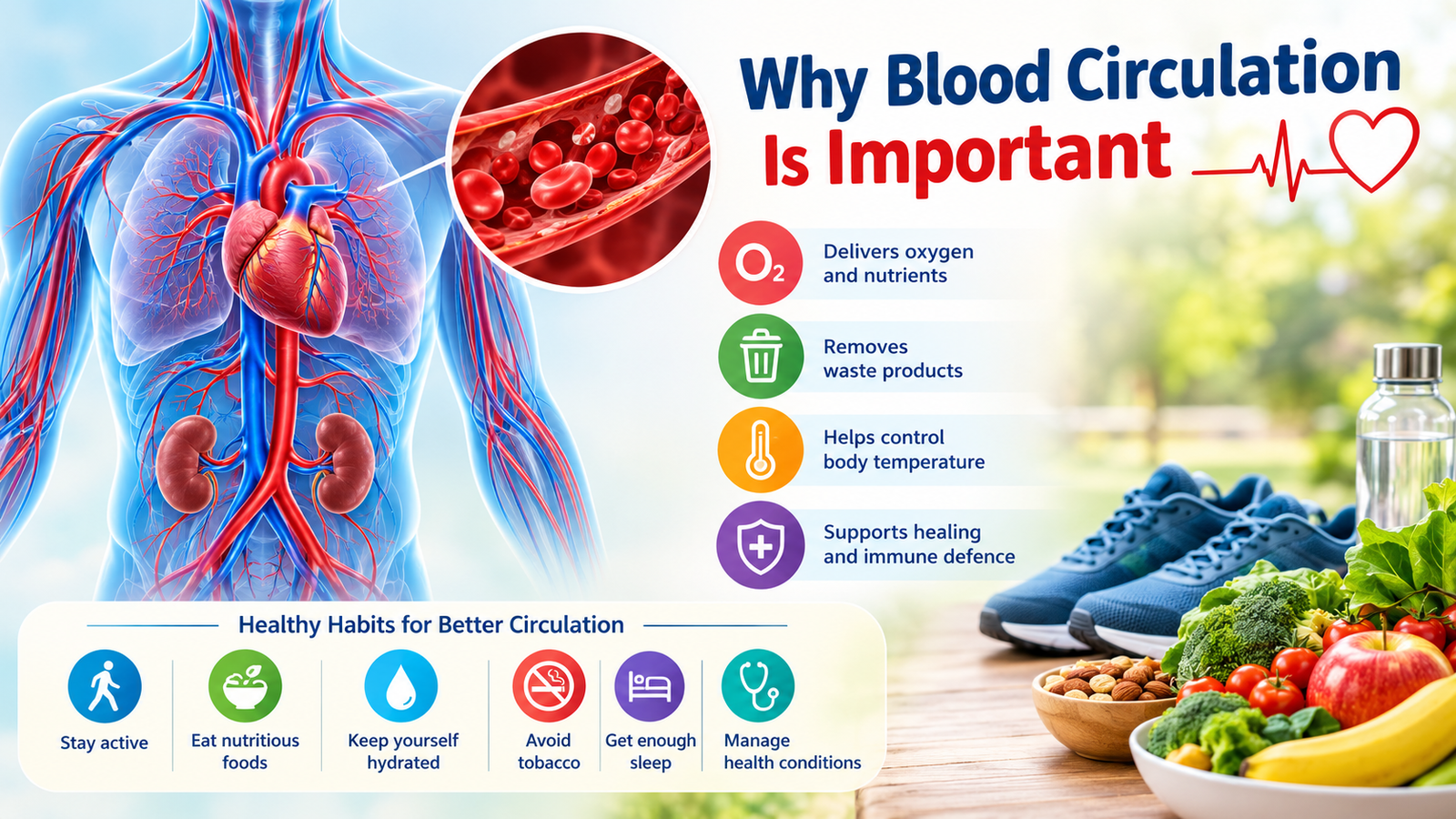
Water is essential for every cell and organ in the body. It supports digestion, regulates body temperature, transports nutrients, and removes waste products. Drinking enough water each day helps maintain energy levels and prevents dehydration.
Replacing sugary beverages with water is a simple habit that supports overall health and reduces unnecessary calorie intake.
Healthy Eating and Mental Well-being
Nutrition influences not only physical health but also brain function and emotional well-being. A balanced diet supports concentration, memory, and learning while helping maintain stable energy throughout the day.
Poor dietary habits may contribute to tiredness, mood changes, and reduced productivity. Consuming nutritious meals regularly helps improve focus and supports better mental performance.
Common Mistakes to Avoid
Many people unintentionally develop eating habits that may affect their health over time. Common mistakes include:
- Skipping meals regularly.
- Eating too quickly.
- Consuming excessive fast food.
- Drinking large amounts of sugary beverages.
- Depending heavily on processed foods.
- Eating while distracted by television or mobile phones.
- Ignoring portion sizes.
Recognizing these habits allows individuals to make healthier choices gradually.
Building Lifelong Healthy Eating Habits
Healthy eating should become a sustainable lifestyle rather than a temporary diet. Small improvements, such as adding an extra serving of vegetables, choosing water instead of soft drinks, or preparing home-cooked meals more often, can produce lasting health benefits.
Parents, schools, and communities also play an important role by encouraging healthy food choices and educating children about balanced nutrition from an early age.
Conclusion
Healthy eating is one of the most effective ways to protect and improve overall health. A balanced diet provides the nutrients needed for growth, energy, strong immunity, and disease prevention. Combined with regular physical activity, adequate sleep, and healthy lifestyle habits, proper nutrition supports a longer and more active life.
Making healthier food choices does not require perfection. Consistent, mindful decisions made every day can lead to meaningful improvements in physical health, mental well-being, and quality of life. By adopting healthy eating habits today, individuals invest in a stronger, healthier, and brighter future.
Verification Code: HE7M4XP82LK