Introduction
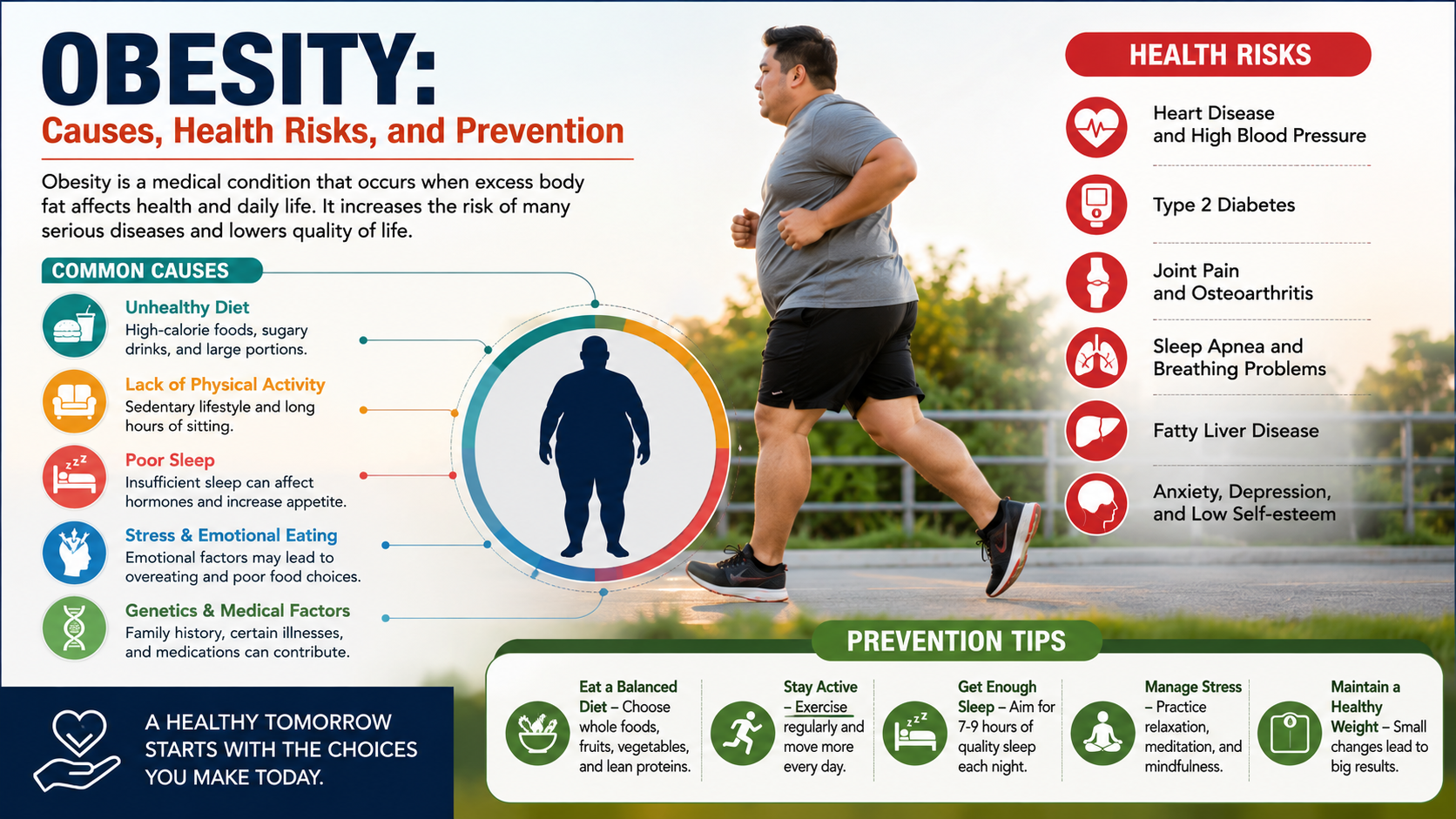
Obesity has become one of the most significant public health concerns worldwide. It affects people of all ages and is becoming increasingly common due to unhealthy lifestyles, poor eating habits, and reduced physical activity. Obesity is more than simply carrying extra body weight—it is a medical condition that can increase the risk of numerous serious diseases and reduce overall quality of life. As modern lifestyles become more sedentary, understanding obesity and learning how to prevent it are essential for maintaining long-term health.
Preventing obesity requires a combination of healthy eating, regular exercise, adequate sleep, and positive lifestyle choices. By making informed decisions every day, individuals can protect their health and reduce the likelihood of developing obesity-related complications.
What Is Obesity?
Obesity is a condition in which excessive body fat accumulates to a level that may negatively affect health. It usually develops when a person consistently consumes more calories than the body burns through daily activities and physical exercise. While body weight alone does not determine overall health, excessive body fat can interfere with the normal functioning of many organs and body systems.
Obesity can affect children, teenagers, adults, and older people. It develops gradually over time and often results from multiple factors working together rather than a single cause.
Common Causes of Obesity
Several factors contribute to obesity, and they often influence one another.
Unhealthy Eating Habits
Frequent consumption of fast food, sugary drinks, processed snacks, and high-calorie meals can lead to excessive calorie intake. Large portion sizes and frequent overeating further increase the risk of weight gain.
Lack of Physical Activity
Modern lifestyles involve long hours of sitting at desks, using computers, watching television, or spending time on mobile devices. Limited physical activity reduces the number of calories burned each day, making weight gain more likely.
Poor Sleep Habits
Insufficient or irregular sleep can affect hormones that regulate hunger and appetite. People who do not get enough quality sleep may experience increased cravings for unhealthy foods and consume more calories than needed.
Genetic Factors
Family history can influence body weight, metabolism, and fat storage. While genetics may increase susceptibility to obesity, healthy lifestyle choices can still help reduce the risk.
Emotional and Psychological Factors
Stress, anxiety, boredom, and emotional distress sometimes lead people to eat more than necessary, especially foods that are high in sugar or fat. Emotional eating can gradually contribute to weight gain.
Medical Conditions and Medications
Certain medical conditions and medications may contribute to weight gain by affecting metabolism, appetite, or physical activity levels. Professional medical advice is important in such situations.
Health Risks Associated with Obesity
Obesity affects nearly every organ in the body and increases the risk of numerous health problems.
One of the most common complications is heart disease. Excess body fat places additional strain on the heart and blood vessels, increasing the risk of high blood pressure and stroke.
Obesity is also strongly linked to type 2 diabetes because excess fat can reduce the body’s ability to use insulin effectively. High blood sugar levels over time may damage the eyes, kidneys, nerves, and other organs.
People living with obesity are more likely to develop high cholesterol, breathing difficulties, sleep-related problems, joint pain, and reduced mobility. Carrying extra body weight places additional pressure on bones and joints, particularly the knees and hips.
In addition to physical health problems, obesity may affect emotional well-being. Some individuals experience low self-confidence, social isolation, anxiety, or depression due to weight-related challenges or discrimination.
Prevention of Obesity
Preventing obesity begins with adopting healthy daily habits and maintaining consistency over time.
Eat a Balanced Diet
Choose a variety of nutritious foods, including fruits, vegetables, whole grains, lean proteins, legumes, nuts, and healthy fats. Reducing the intake of sugary beverages, processed foods, fried foods, and excessive snacks can help maintain a healthy body weight.
Stay Physically Active
Regular exercise helps burn calories, strengthen muscles, and improve cardiovascular health. Activities such as walking, jogging, cycling, swimming, dancing, or playing sports contribute to weight management and overall fitness. Adults should aim for regular physical activity throughout the week.
Get Enough Sleep
Quality sleep supports healthy hormone regulation, metabolism, and appetite control. Maintaining a consistent sleep schedule can reduce the risk of overeating and improve overall health.
Drink Plenty of Water
Replacing sugary drinks with water helps reduce unnecessary calorie intake while supporting digestion and proper body function.
Manage Stress Effectively
Practicing relaxation techniques, meditation, hobbies, and regular exercise can reduce emotional eating and improve mental well-being.
Monitor Portion Sizes
Eating appropriate portion sizes and avoiding frequent overeating helps maintain a healthy balance between calorie intake and energy expenditure.
Regular Health Check-ups
Routine medical examinations help identify weight-related health concerns early and provide guidance on maintaining a healthy lifestyle.
The Importance of Family and Community Support
Healthy habits are easier to maintain when supported by family members, schools, workplaces, and communities. Parents can encourage nutritious eating and regular physical activity among children by serving healthy meals and promoting outdoor play.
Schools can contribute by providing health education and opportunities for sports and exercise. Workplaces can also encourage employee wellness through physical activity programs and healthier food choices.
Creating supportive environments motivates individuals to adopt lifelong healthy habits.
Conclusion
Obesity is a growing health challenge, but it is largely preventable through informed lifestyle choices. Eating a balanced diet, engaging in regular physical activity, getting adequate sleep, managing stress, and maintaining healthy daily routines are effective ways to reduce the risk of obesity and its associated diseases.
Good health is built through small, consistent actions rather than drastic changes. By making healthy choices every day, individuals can maintain a healthy weight, improve physical and mental well-being, and enjoy a longer, more active, and fulfilling life.
Verification Code: OB5N8XT41QP
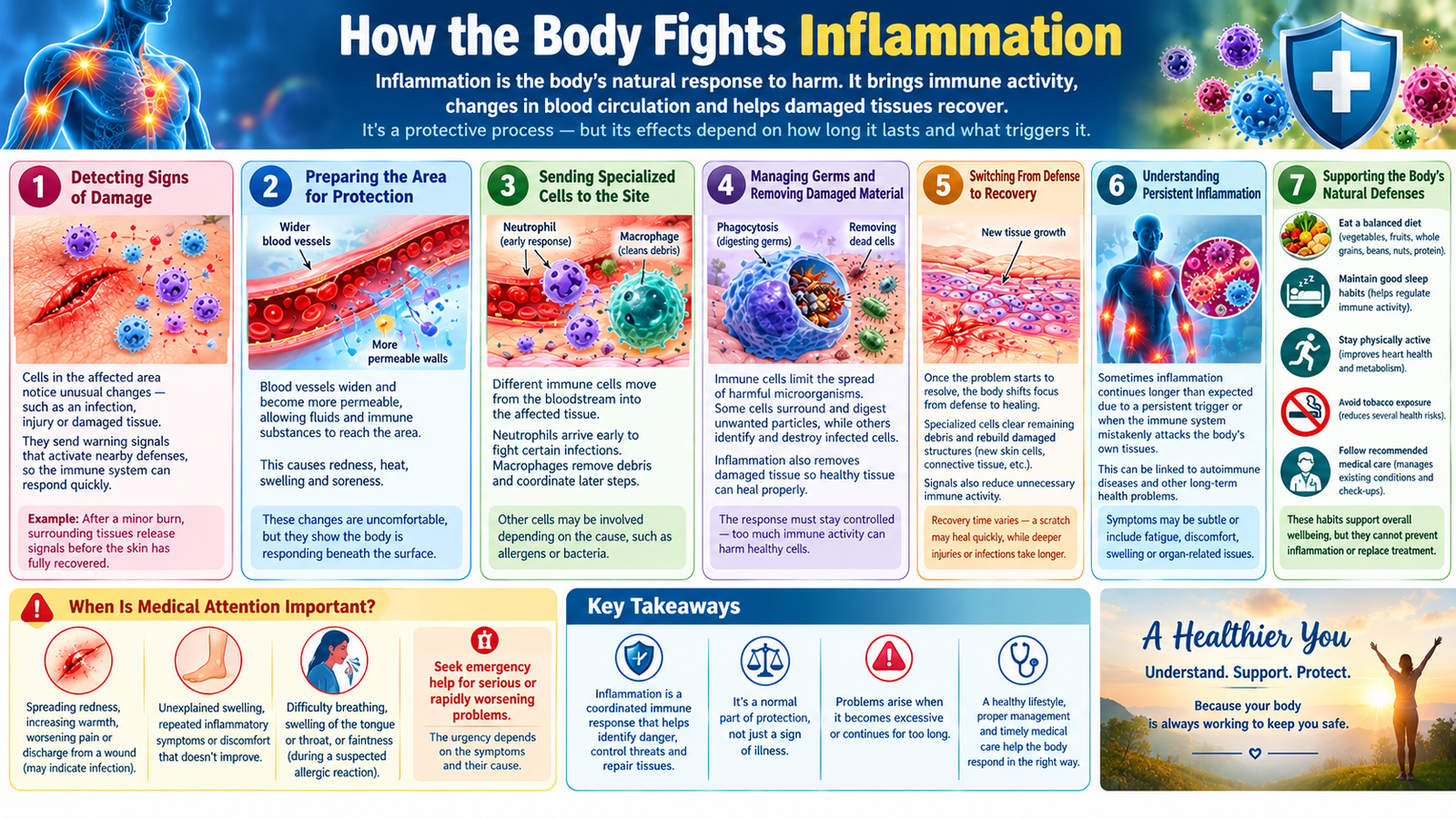
Yes walking is good for health
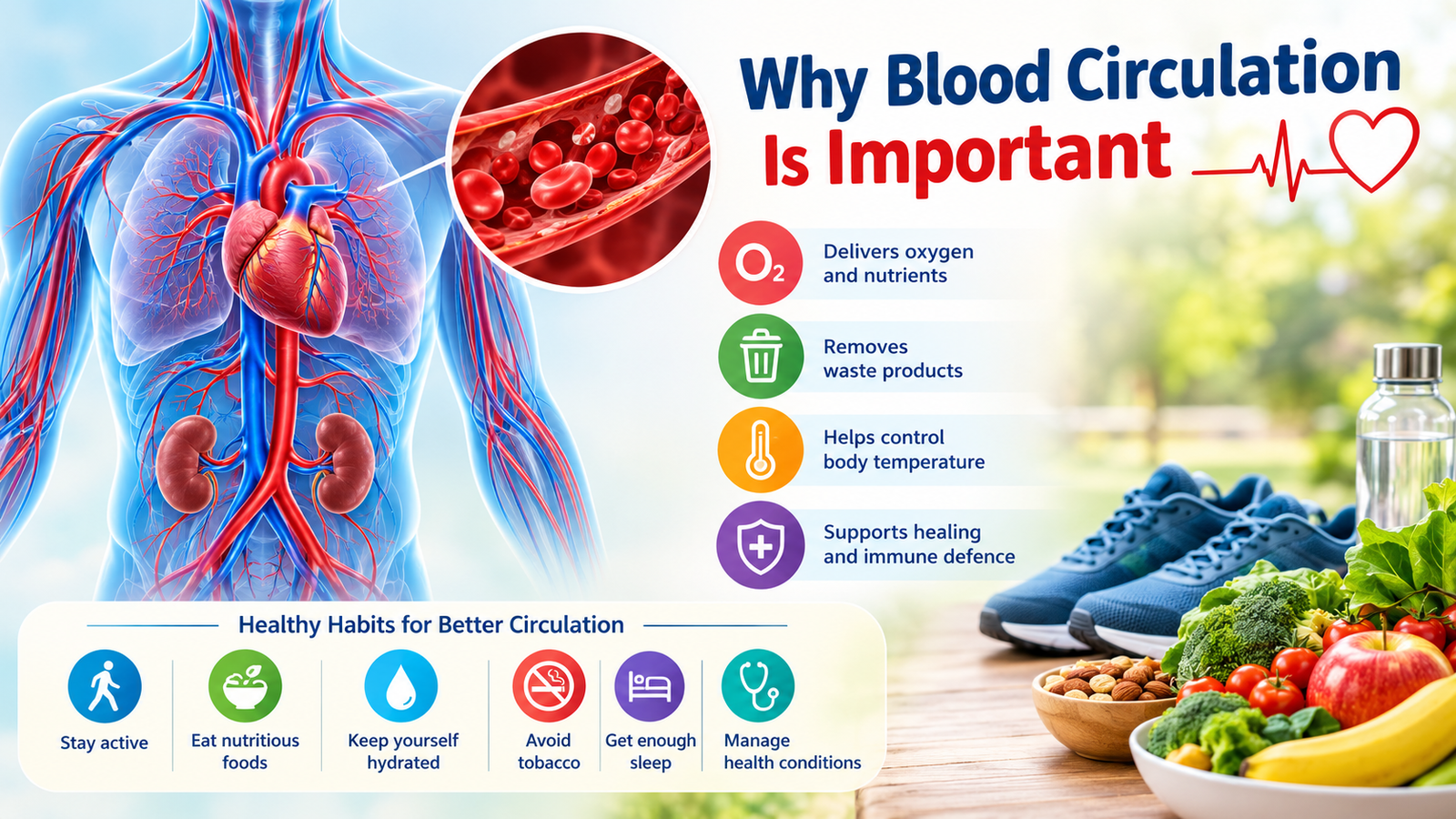
Yes, walking is excellent for health. It helps maintain a healthy weight, improves heart health, reduces stress, and boosts overall well-being.
Yes l agree that walking is good for healthy lifestyle