Introduction
Stress is a natural part of everyday life, but when it becomes constant, it can affect both physical and mental health. People experience stress due to work responsibilities, academic pressure, financial concerns, family commitments, and unexpected life events. Although a certain amount of stress can motivate individuals to achieve their goals, excessive stress may reduce productivity and negatively influence overall well-being. Learning how to manage stress effectively is essential for leading a healthier, happier, and more balanced life.
What Is Stress?
Stress is the body’s response to situations that demand attention or action. When faced with a challenge, the brain releases hormones that prepare the body to react quickly. This response can be beneficial during emergencies, helping people stay alert and focused. However, if stress continues for a long period without proper management, it can become harmful and increase the risk of various health problems.
Stress affects everyone differently. While one person may easily handle a challenging situation, another may find the same situation overwhelming. Understanding personal stress triggers is the first step toward managing them successfully.
Common Causes of Stress
Many situations can contribute to stress in daily life. Some of the most common causes include:
- Heavy workload and workplace responsibilities.
- Academic pressure and examinations.
- Financial difficulties.
- Family or relationship conflicts.
- Health-related concerns.
- Lack of sleep and unhealthy daily routines.
- Poor time management.
- Major life changes such as moving, changing jobs, or losing a loved one.
- Excessive use of smartphones and social media.
Recognizing these causes helps individuals develop practical strategies to reduce stress before it becomes overwhelming.
Effects of Stress on Physical Health
Long-term stress can affect nearly every system in the body. It may lead to headaches, muscle pain, fatigue, digestive problems, weakened immunity, and increased blood pressure. People experiencing chronic stress are also more likely to develop heart disease, obesity, diabetes, and other long-term medical conditions.
Stress often reduces energy levels and motivation, making it difficult to maintain healthy eating habits and regular physical activity. As a result, overall physical fitness may gradually decline.
Effects of Stress on Mental and Emotional Well-being
Stress not only affects the body but also influences thoughts, emotions, and behavior. Individuals under constant stress may experience anxiety, irritability, sadness, frustration, difficulty concentrating, and reduced confidence. Emotional exhaustion may interfere with relationships, work performance, and decision-making.
In severe cases, unmanaged stress may contribute to burnout and other mental health challenges. Therefore, taking care of emotional well-being is just as important as maintaining physical health.
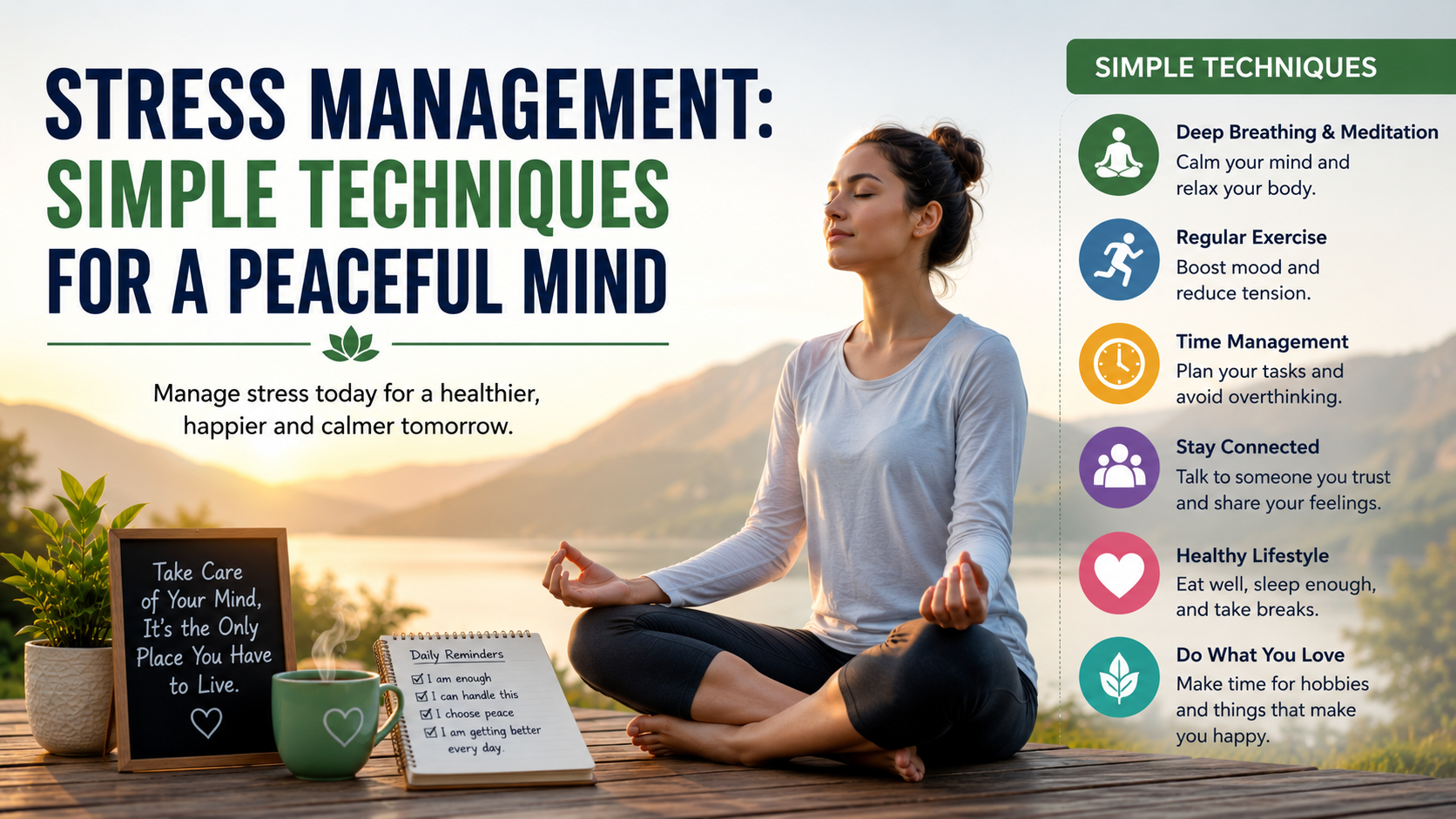
Simple Techniques for Managing Stress
Fortunately, stress can be managed through healthy daily habits and positive lifestyle changes.
1. Stay Physically Active
Regular exercise is one of the most effective ways to reduce stress. Activities such as walking, jogging, cycling, swimming, yoga, and dancing improve mood by releasing natural chemicals that promote relaxation and happiness.
2. Get Enough Sleep
Quality sleep allows the body and brain to recover from daily activities. Maintaining a regular sleep schedule helps improve concentration, emotional stability, and overall health while reducing stress levels.
3. Eat a Nutritious Diet
A balanced diet rich in fruits, vegetables, whole grains, lean proteins, and healthy fats provides the body with essential nutrients needed for energy and brain function. Drinking enough water also helps maintain physical and mental performance.
4. Practice Relaxation Techniques
Deep breathing exercises, meditation, mindfulness, and gentle stretching help calm the nervous system. Spending just a few minutes each day practicing relaxation techniques can significantly reduce tension and improve emotional balance.
5. Improve Time Management
Planning daily activities and setting realistic priorities reduce unnecessary pressure. Breaking large tasks into smaller, manageable steps makes responsibilities easier to complete and prevents feelings of being overwhelmed.
6. Stay Connected with Others
Talking with trusted friends, family members, or colleagues provides emotional support and helps individuals cope with difficult situations. Sharing concerns often reduces stress and creates opportunities to receive helpful advice.
7. Limit Digital Distractions
Constant notifications, excessive screen time, and continuous social media use can increase stress and reduce focus. Taking regular breaks from digital devices allows the mind to relax and improves overall mental well-being.
8. Spend Time on Enjoyable Activities
Reading, listening to music, gardening, painting, cooking, or spending time outdoors can refresh the mind and reduce emotional tension. Engaging in hobbies provides a healthy escape from daily pressures.
Building Long-Term Resilience
Managing stress is not only about handling today’s problems but also about preparing for future challenges. Developing resilience involves maintaining healthy habits, practicing positive thinking, accepting situations beyond one’s control, and learning from difficult experiences. People with strong resilience are often better equipped to recover from setbacks and maintain emotional balance.
When to Seek Professional Support
Sometimes stress becomes too intense to manage independently. If stress begins affecting daily life, relationships, work performance, or physical health, seeking help from a qualified healthcare or mental health professional is a responsible decision. Early intervention can prevent stress from developing into more serious conditions.
Conclusion
Stress is a normal part of life, but it should not be allowed to control our health or happiness. By recognizing the causes of stress and adopting healthy coping strategies, individuals can improve their physical health, emotional well-being, and overall quality of life. Simple practices such as regular exercise, healthy eating, quality sleep, effective time management, relaxation techniques, and maintaining supportive relationships can make a lasting difference.
A peaceful mind is built through consistent daily habits rather than quick solutions. By making stress management a priority, individuals can develop greater resilience, improve their overall well-being, and enjoy a healthier, more fulfilling life.
Verification Code: SM7X4QP82LK
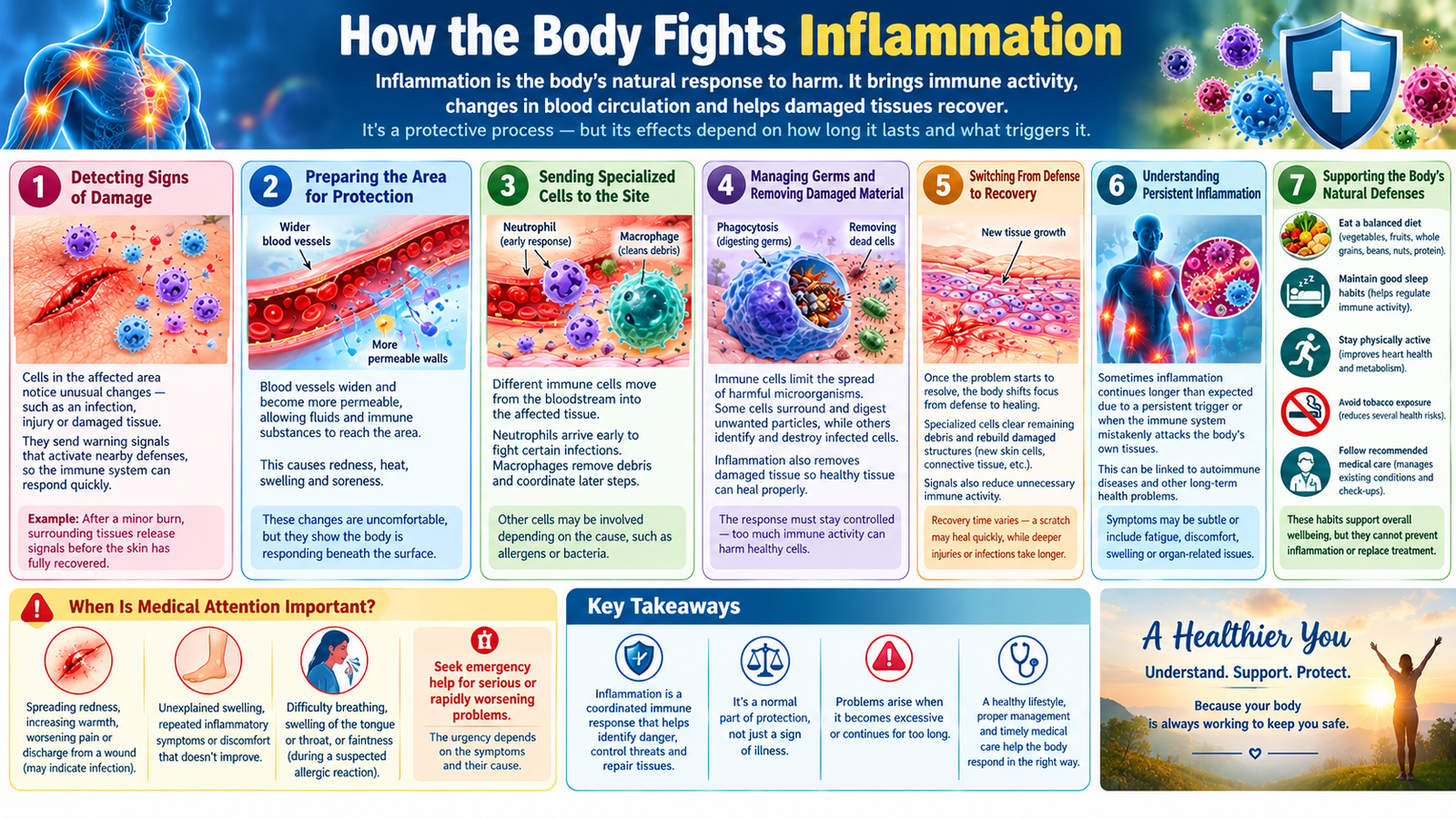
Over it was a very good for having a better and healthy life