Introduction
Sleep is one of the most essential pillars of a healthy life, yet it is often overlooked in today’s busy world. Many people sacrifice sleep to meet work deadlines, prepare for exams, or spend more time on electronic devices. While this may seem harmless in the short term, poor sleep habits can significantly affect physical health, mental well-being, and overall quality of life. Healthy sleep is not simply about the number of hours spent in bed; it also involves maintaining a consistent sleep schedule and ensuring restful, uninterrupted sleep.
Developing healthy sleep habits can improve energy levels, strengthen the immune system, enhance concentration, and support emotional well-being. Just as proper nutrition and regular exercise contribute to good health, quality sleep is equally important for maintaining a balanced and productive lifestyle.
Understanding Healthy Sleep
Healthy sleep refers to obtaining sufficient, high-quality rest that allows the body and mind to recover from daily activities. During sleep, the body repairs tissues, restores energy, regulates hormones, and strengthens the immune system. At the same time, the brain processes information, organizes memories, and prepares for learning and decision-making.
Although sleep requirements vary by age, most healthy adults generally need between seven and nine hours of quality sleep each night. Children and teenagers require even more sleep to support their growth, development, and learning abilities.
Why Sleep Is Important
Sleep plays a vital role in maintaining nearly every system in the human body. It supports heart health, regulates metabolism, improves brain function, and helps maintain emotional balance. Individuals who get enough quality sleep are often more productive, alert, and capable of handling everyday responsibilities.
When people consistently sleep well, they experience better concentration, faster reaction times, improved memory, and enhanced problem-solving skills. Sleep also contributes to healthier relationships by improving mood, patience, and emotional control.
Physical Benefits of Healthy Sleep
Getting adequate sleep offers numerous physical health benefits. It allows muscles and tissues to recover after daily activities and exercise. The immune system becomes stronger during sleep, helping the body fight infections and illnesses more effectively.
Healthy sleep also supports cardiovascular health by helping regulate blood pressure and reducing stress on the heart. In addition, proper sleep helps maintain hormonal balance, which influences appetite, metabolism, and body weight. Individuals who consistently get enough sleep are generally at a lower risk of developing obesity, diabetes, heart disease, and other chronic health conditions.
Furthermore, athletes and physically active individuals often perform better when they maintain healthy sleep habits because their bodies have sufficient time to recover and rebuild.
Mental and Emotional Benefits
Sleep has a profound effect on mental health and emotional well-being. A well-rested brain processes information more efficiently, leading to better learning, creativity, and decision-making. Students who sleep adequately often perform better academically because sleep improves concentration and memory retention.
Emotionally, healthy sleep reduces stress and promotes a positive mood. People who experience quality sleep are generally more patient, optimistic, and emotionally resilient. Adequate sleep also helps reduce feelings of anxiety, irritability, and emotional exhaustion.
Maintaining healthy sleep habits contributes to improved self-confidence, stronger relationships, and better overall life satisfaction.
Effects of Poor Sleep Habits
Poor sleep habits can negatively affect both physical and mental health. Sleeping too little or having irregular sleep schedules often leads to daytime fatigue, reduced concentration, slower reaction times, and decreased productivity.
Long-term sleep deprivation may increase the risk of obesity, diabetes, high blood pressure, heart disease, weakened immunity, and depression. Lack of sleep can also impair judgment, increasing the likelihood of workplace errors, traffic accidents, and injuries.
Children and teenagers who do not get enough sleep may experience difficulties in learning, emotional regulation, and academic performance. Adults may struggle with work efficiency, decision-making, and maintaining healthy relationships.
Tips for Developing Healthy Sleep Habits
Building good sleep habits requires consistency and healthy daily routines. Some effective practices include:
- Going to bed and waking up at the same time every day.
- Creating a quiet, comfortable, and dark sleeping environment.
- Limiting screen time before bedtime.
- Avoiding heavy meals, caffeine, and sugary drinks late in the evening.
- Exercising regularly, but not immediately before bedtime.
- Practicing relaxation techniques such as reading, meditation, or deep breathing.
- Keeping the bedroom cool, clean, and free from distractions.
- Avoiding unnecessary daytime naps that interfere with nighttime sleep.
Following these habits can gradually improve sleep quality and overall well-being.
The Role of Lifestyle in Better Sleep
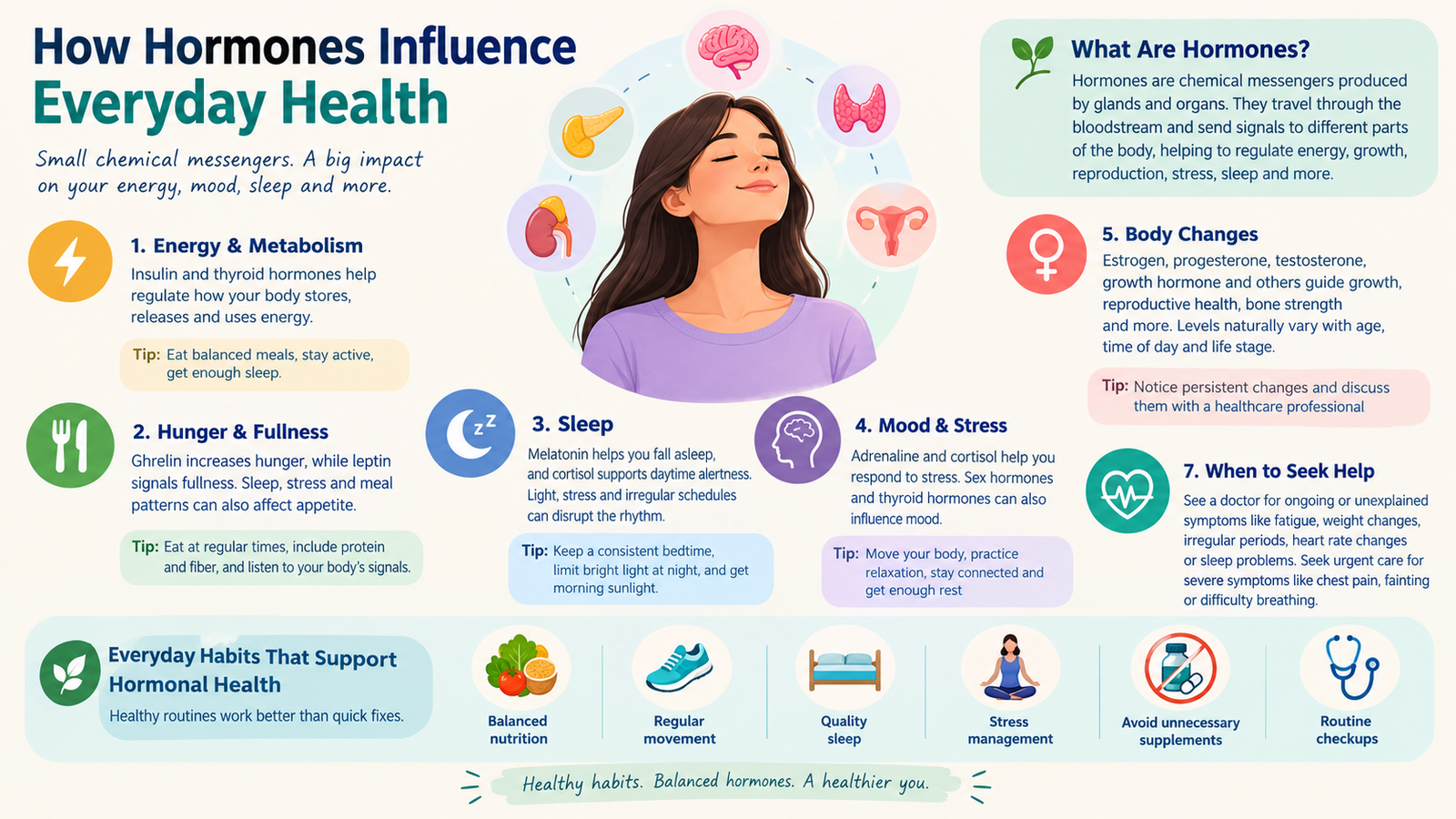
Healthy sleep is closely connected with other lifestyle habits. A balanced diet provides nutrients that support normal body functions, while regular physical activity helps regulate sleep patterns. Managing stress through mindfulness, hobbies, and social support also contributes to better sleep.
Reducing excessive use of smartphones, computers, and television before bedtime helps the brain prepare for rest because bright screens can interfere with the body’s natural sleep cycle.
Conclusion
Healthy sleep habits are essential for maintaining physical health, mental clarity, emotional stability, and overall well-being. Sleep allows the body to recover, strengthens the immune system, improves brain function, and enhances daily performance. Despite its importance, many people underestimate the value of quality sleep and develop habits that negatively affect their health.
By making sleep a priority and adopting healthy bedtime routines, individuals can improve their quality of life, increase productivity, and reduce the risk of numerous health problems. Good sleep is not a luxury—it is a fundamental requirement for living a healthier, happier, and more successful life.
Verification Code: SK9K4XP78QM