Introduction
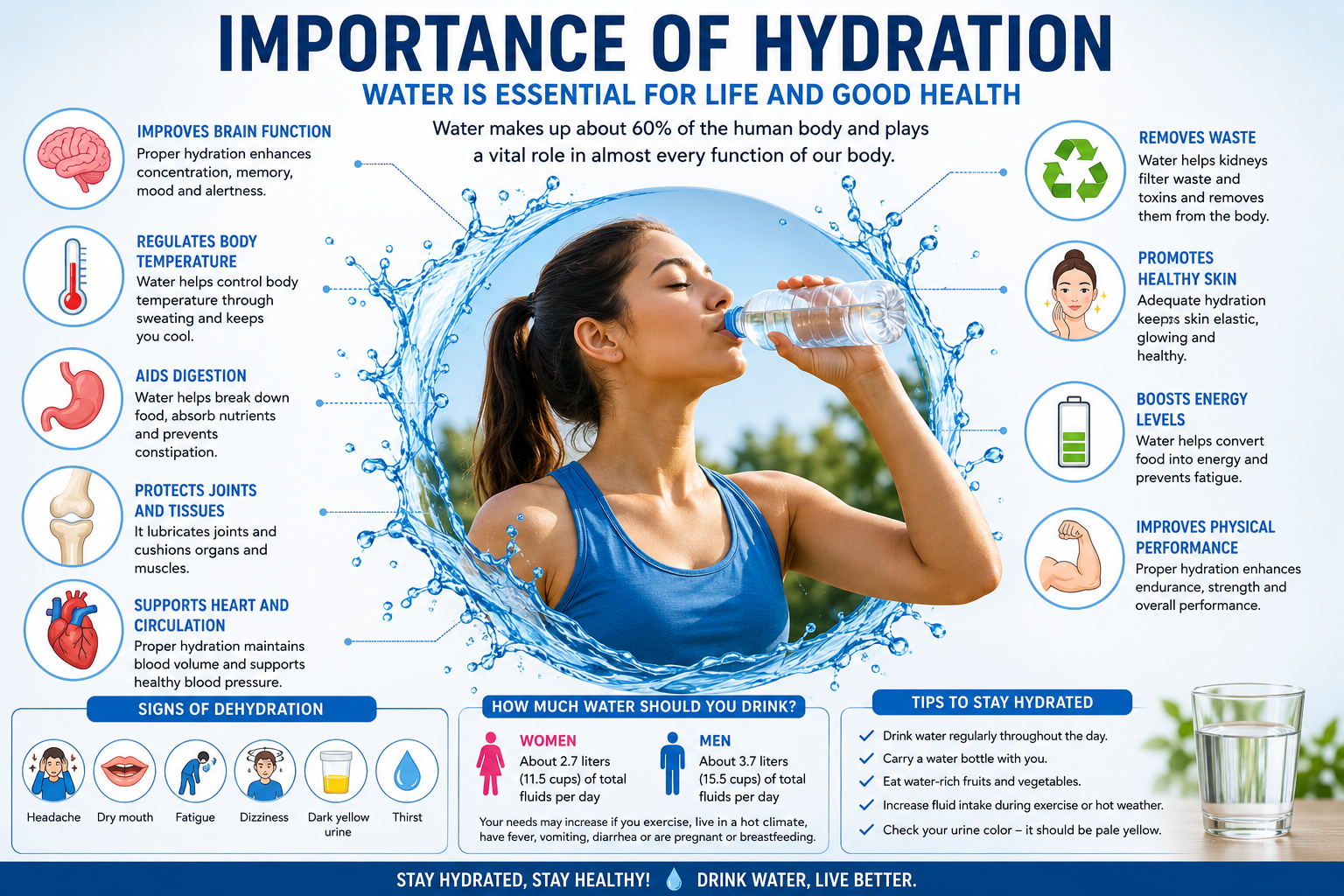
Water is one of the most essential requirements for human life. Every cell, tissue, and organ in the body depends on an adequate supply of water to function properly. Since a large percentage of the human body is made up of water, maintaining proper hydration is necessary for preserving health, supporting body functions, and improving overall quality of life.
Hydration refers to the process of providing the body with sufficient fluids to carry out its daily activities efficiently. Although water is often overlooked as a nutrient, it is involved in countless physiological processes that keep the body functioning smoothly. Insufficient water intake can negatively affect both physical and mental performance, making hydration a crucial aspect of healthy living.
Water as a Vital Component of the Human Body
Water serves as the body’s primary transport medium. It carries nutrients, minerals, and oxygen to cells while helping remove unwanted waste products. In addition, it forms an important part of blood, saliva, digestive fluids, and other bodily secretions that are necessary for normal functioning.
Many chemical reactions that take place inside the body require water. From producing energy to repairing cells and tissues, water acts as an essential participant in maintaining life processes.
Maintaining Body Temperature
One of the body’s natural cooling mechanisms relies on water. During periods of physical exertion or exposure to high temperatures, the body releases sweat to reduce excess heat. As sweat evaporates from the skin, it helps maintain a stable internal temperature.
When fluid levels become too low, the body struggles to cool itself effectively. This can lead to overheating, heat exhaustion, and other heat-related illnesses, especially in warm climates or during strenuous activity.
Enhancing Brain Performance
The brain requires a continuous supply of water to function at its best. Even a slight decrease in hydration levels can affect concentration, alertness, memory, and decision-making abilities.
People who do not drink enough water often experience tiredness, difficulty focusing, headaches, and irritability. Proper hydration supports clearer thinking and improved mental efficiency, making it particularly important for students, professionals, and individuals performing tasks that require attention and accuracy.
Supporting Physical Activity and Endurance
Water is indispensable for maintaining physical performance. Muscles require adequate hydration to contract efficiently and perform prolonged activity without excessive fatigue.
During exercise, the body loses fluids through perspiration. Replacing these losses is important for maintaining strength, endurance, and coordination. Individuals who remain well hydrated generally recover faster after physical exertion and experience fewer muscle cramps and injuries.
Promoting Healthy Digestion
The digestive system relies heavily on water to process food effectively. Water assists in breaking down food particles, transporting nutrients, and facilitating absorption in the intestines.
Inadequate hydration can slow down digestion and contribute to constipation and discomfort. Consuming enough fluids helps maintain regular bowel movements and supports the smooth functioning of the digestive tract.
Assisting in Waste Removal
The kidneys perform the important task of filtering waste materials from the bloodstream. Water enables these organs to remove toxins and excess substances through urine.
Insufficient fluid intake places additional stress on the kidneys and may increase the likelihood of developing kidney stones and urinary complications. Proper hydration supports efficient waste elimination and helps maintain urinary health.
Preserving Healthy Skin
Water contributes to the maintenance of healthy skin by supporting moisture balance and elasticity. Although hydration alone cannot prevent all skin problems, adequate fluid intake helps the skin appear fresher and less dry.
Well-hydrated skin generally maintains its protective barrier more effectively and recovers better from environmental stress.
Protecting Joints and Internal Organs
The body uses water as a natural lubricant and cushion. Joint fluid contains water, which helps reduce friction during movement and improves flexibility.
Water also protects delicate organs and tissues, including the brain and spinal cord, by acting as a shock absorber against physical impacts.
Supporting Circulation and Cardiovascular Function
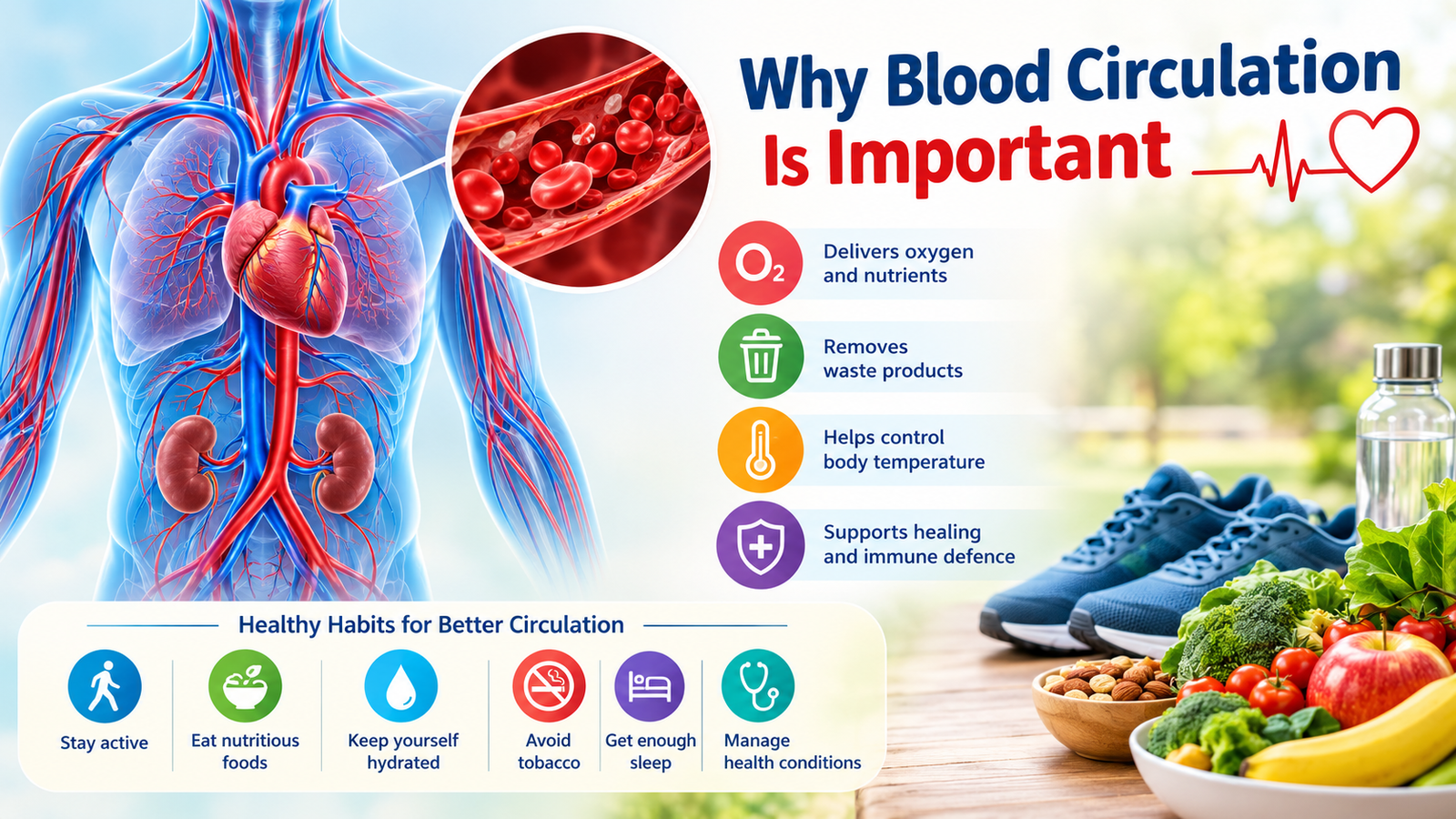
Healthy circulation depends on proper fluid levels. Since blood contains a significant amount of water, dehydration can reduce blood volume and make the heart work harder to circulate oxygen and nutrients throughout the body.
Maintaining hydration supports stable blood pressure and promotes efficient delivery of essential substances to all organs and tissues.
Consequences of Dehydration
Dehydration occurs when the body loses more fluid than it receives. Even mild dehydration can produce noticeable symptoms that interfere with daily activities and productivity.
Common indicators include:
- Persistent thirst
- Dry lips and mouth
- Headaches
- Dizziness
- Fatigue
- Muscle cramps
- Dark-colored urine
- Reduced concentration
- Decreased urine output
If dehydration becomes severe, medical attention may be required to prevent serious complications.
Hydration Requirements for Different Individuals
Fluid requirements vary from person to person. Factors such as age, body size, physical activity, weather conditions, and health status influence daily water needs.
Children require adequate fluids to support growth and development. Older adults may need reminders to drink water regularly because the sensation of thirst often decreases with age. Pregnant and breastfeeding women generally require additional fluids to meet increased physiological demands.
Sources of Fluids
Although plain water remains the best option for hydration, other beverages and foods can also contribute to fluid intake. Many fruits and vegetables contain high amounts of water and provide additional nutritional benefits.
Examples include watermelon, oranges, cucumbers, tomatoes, and other fresh produce. Incorporating these foods into daily meals can help support hydration levels.
Practical Ways to Stay Hydrated
Developing healthy hydration habits can significantly improve overall well-being. Useful strategies include:
- Drinking water consistently throughout the day.
- Carrying a reusable water bottle when traveling or working.
- Increasing fluid intake during hot weather.
- Replacing fluids lost during exercise.
- Consuming foods with high water content.
- Monitoring urine color as an indicator of hydration status.
These simple habits can help maintain healthy fluid levels and reduce the risk of dehydration.
Conclusion
Hydration is a fundamental requirement for maintaining good health and supporting essential body functions. Water contributes to temperature regulation, digestion, circulation, brain performance, joint protection, and waste removal. Without adequate hydration, both physical and mental performance can decline significantly.
Making water consumption a daily priority is one of the easiest and most effective ways to improve health and enhance quality of life. By adopting proper hydration habits, individuals can support their body’s natural processes and promote long-term wellness and vitality.