Introduction
A stomach problem can sometimes begin with something as ordinary as a meal prepared on an unclean chopping board or fruit eaten without washing. Food may look fresh and smell perfectly normal while still carrying germs that can make someone sick.
Food hygiene means handling, preparing, and serving food in ways that reduce contamination. These habits matter at home, where the same hands, kitchen surfaces, utensils, and storage spaces are used throughout the day. Understanding where contamination can occur makes it easier to prevent many food-related illnesses.
The Invisible Journey of Germs
Microorganisms can reach food through dirty hands, contaminated water, raw ingredients, kitchen equipment, and insects. The problem is not always the food itself; sometimes, contamination happens while it is being prepared.
Imagine cutting raw chicken on a board and using the same board for cucumber without washing it first. Germs from the raw meat may transfer to the cucumber, which might be eaten without cooking. This process is called cross-contamination.
Using separate equipment for raw meat and ready-to-eat ingredients, or washing and sanitising equipment appropriately between uses, helps interrupt this route.
Clean Hands Protect More Than Your Plate
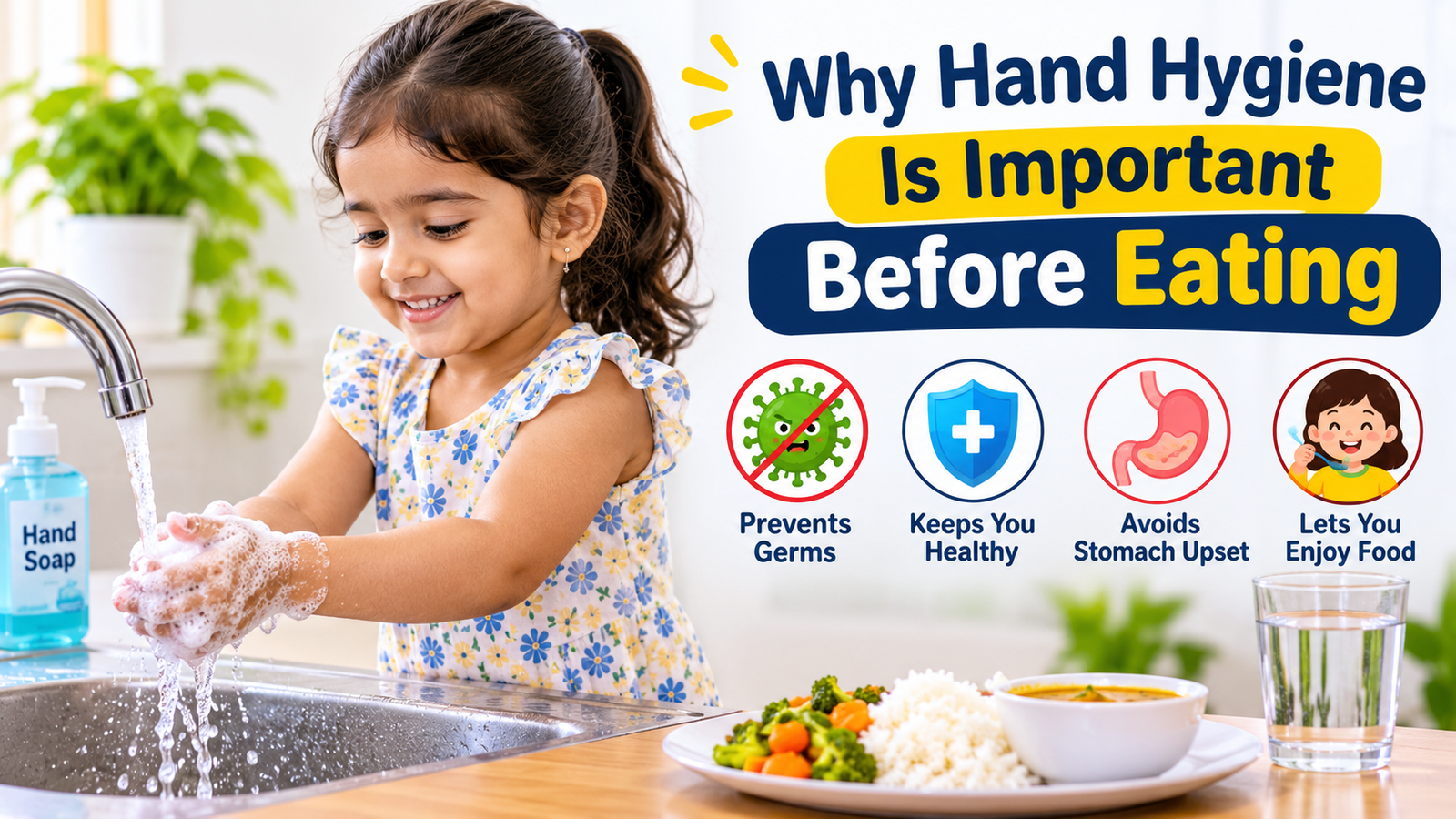
Hands touch mobile phones, door handles, rubbish bins, money, and many other objects before touching food. Without proper washing, microorganisms can travel from these surfaces into a meal.
Wash your hands with soap and clean running water before preparing food, after using the toilet, after handling raw meat, and after touching rubbish or cleaning materials. Wash them again whenever they become contaminated during cooking.
A quick rinse is not a substitute for proper handwashing. Pay attention to the fingertips, spaces between fingers, thumbs, and areas around the nails.
Your Kitchen Tools Need Attention Too
A kitchen sponge may look harmless while collecting moisture and food residue. Chopping boards, knives, cloths, and worktops can also transfer contamination if they are not cleaned correctly.
Wash food-contact equipment with hot water and detergent where appropriate, then allow it to dry. Clean spills promptly, especially those involving raw meat or eggs. Use a food-safe sanitiser when needed and follow its label instructions.
Replace cleaning materials when they become worn or difficult to clean. Keeping a cloth damp for long periods can encourage microbial growth, so wash and dry reusable cloths regularly.
Temperature Can Change the Risk
Some harmful bacteria multiply quickly when perishable food remains at an unsuitable temperature. Freshly cooked dishes, dairy products, meat, and other perishable items should not be left out for extended periods.
Refrigerate perishable food within two hours, or within one hour when the surrounding temperature exceeds 32°C (90°F). Keep the refrigerator at 4°C (40°F) or below.
Cooking also plays an important role. Prepare meat, poultry, seafood, and eggs thoroughly, using a food thermometer when appropriate. Colour alone cannot always show whether food has reached a safe internal temperature.
Washing Ingredients the Right Way
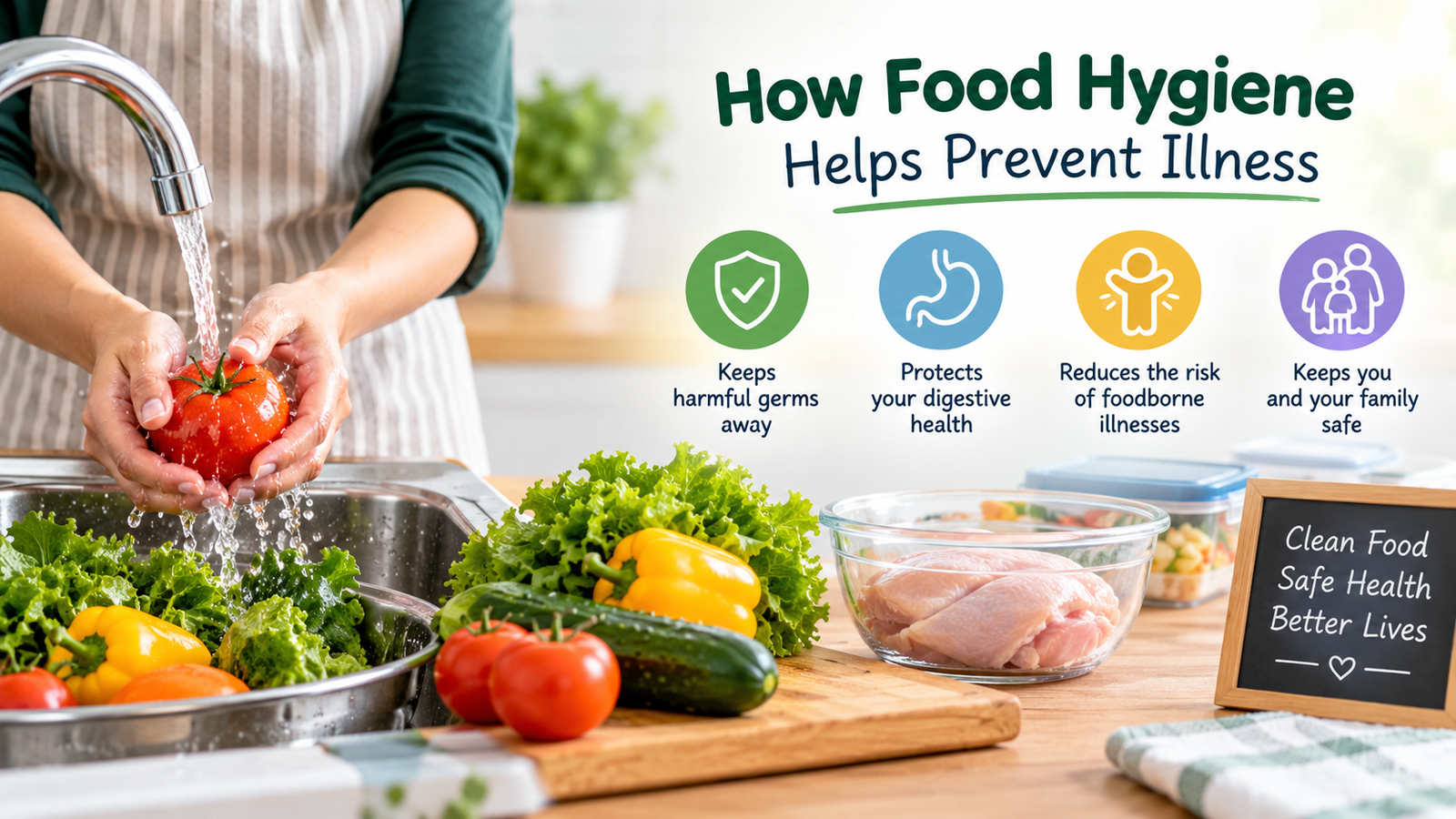
Fresh produce may carry dirt and microorganisms from the soil, water, handling, or transport. Rinse fruits and vegetables under clean running water before cutting or eating them. Rub firm produce gently and remove damaged areas when appropriate.
Do not wash raw poultry in the sink. Splashing water can spread contamination onto nearby surfaces, utensils, and other food.
Choose safe drinking water for washing ingredients and preparing meals. If the water supply is unsafe or under an official advisory, follow local public-health guidance.
Safe Habits During Serving and Storage
Hygiene does not stop when cooking is finished. Serving spoons, uncovered dishes, and unclean hands can introduce contamination after food has been prepared.
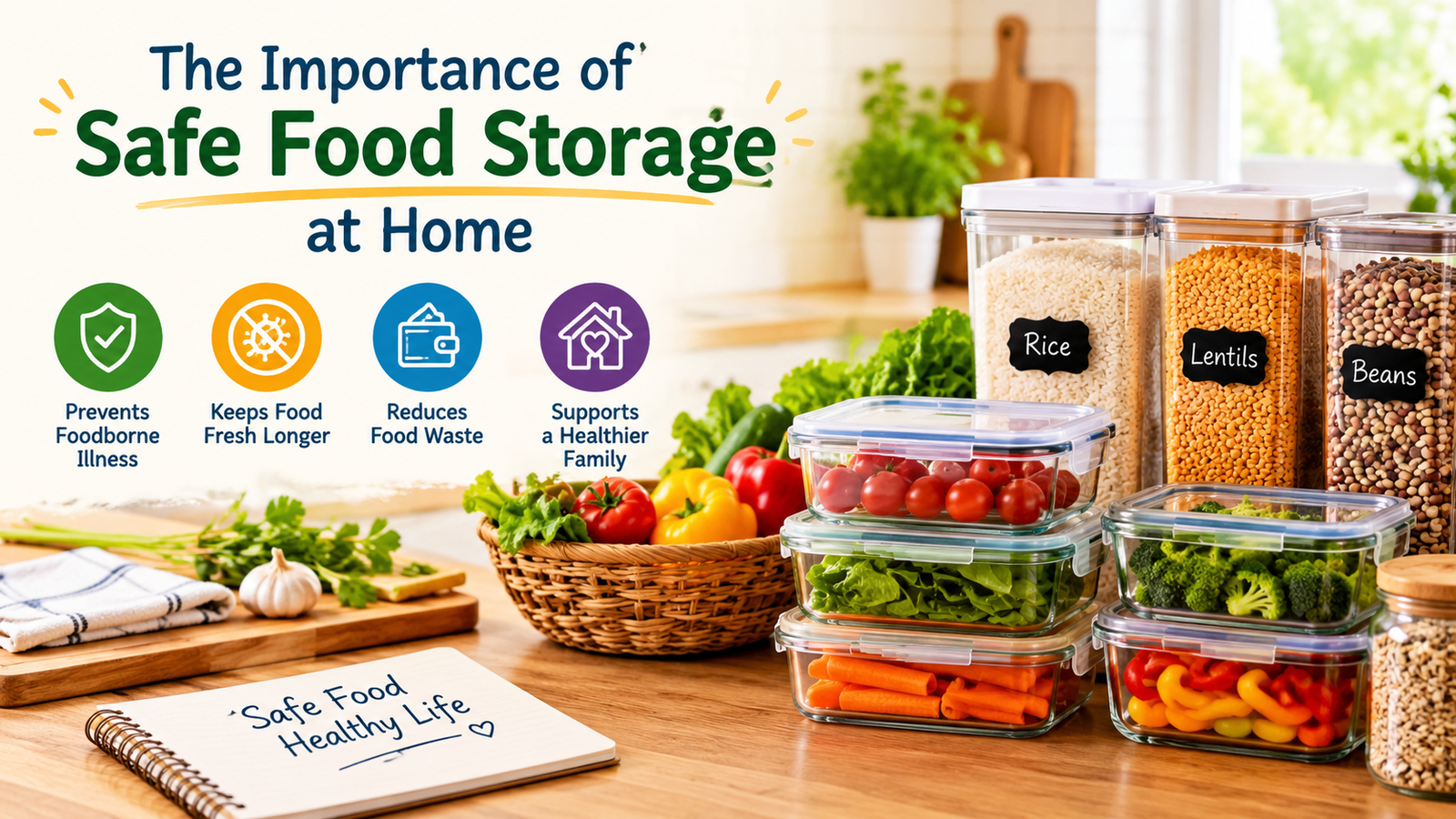
Use clean utensils for serving and avoid allowing raw ingredients to contact cooked meals. Keep food covered when practical, and refrigerate leftovers promptly in shallow containers so they cool more quickly.
Thaw frozen perishable foods in the refrigerator or by another recognised safe method rather than leaving them on the counter. When food has been held under unsafe conditions for too long, reheating may not make it safe because some microorganisms can produce toxins that survive heating.
When Food-Related Illness Needs Medical Attention
Foodborne illness can cause diarrhoea, vomiting, abdominal cramps, and fever. Symptoms vary according to the cause and may begin hours or days after contaminated food is eaten.
Seek medical advice for bloody diarrhoea, persistent vomiting, severe abdominal pain, high fever, or signs of dehydration, such as very little urine or unusual dizziness. Infants, older adults, pregnant people, and individuals with weakened immune systems may need earlier medical attention.
Conclusion
Food hygiene is built from small decisions repeated every day: washing hands properly, cleaning equipment, separating raw ingredients, controlling temperatures, and using safe water.
These actions cannot eliminate every possible risk, but they can significantly reduce opportunities for harmful microorganisms to reach a meal. A cleaner food-preparation routine helps protect everyone who sits at the table.
Verification Code: H6W2N9R4K8