Introduction
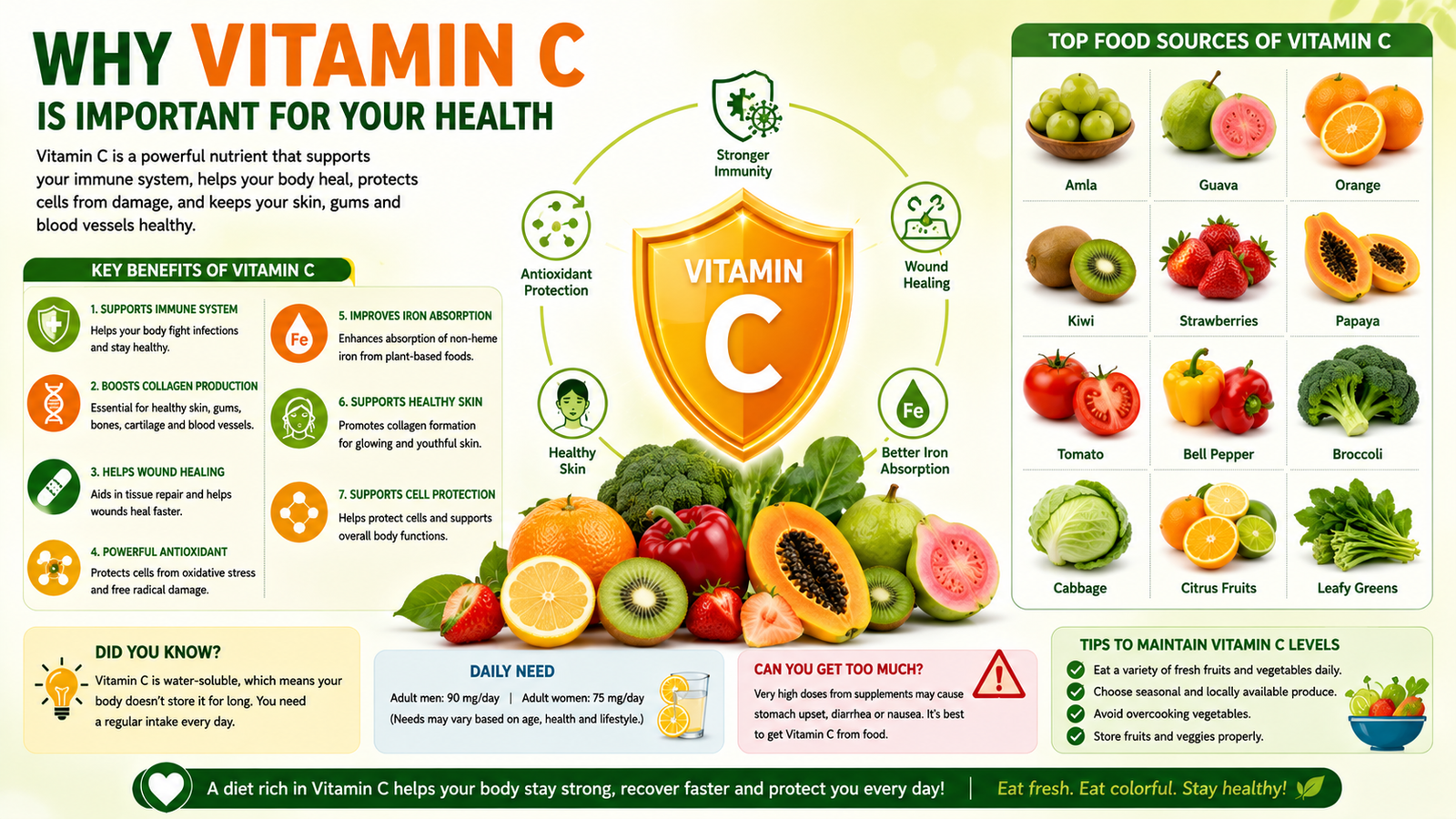
Vitamin C is a water-soluble nutrient that plays several important roles in the human body. It is best known for supporting normal immune function, but its responsibilities go much further. Vitamin C is involved in collagen formation, wound repair, antioxidant protection, and the absorption of iron from plant-based foods.
Because the body cannot produce vitamin C on its own, it needs to come from the diet. Fortunately, many fruits and vegetables provide this nutrient naturally.
What Is Vitamin C?
Vitamin C, also called ascorbic acid, is an essential vitamin that dissolves in water. Unlike fat-soluble vitamins, the body does not store large amounts of vitamin C for long periods.
Regularly eating a variety of fruits and vegetables is therefore a practical way to maintain an adequate intake.
1. Supports the Immune System
Vitamin C contributes to the normal functioning of the immune system. It supports several cellular activities involved in the body’s natural defense mechanisms.
However, vitamin C should not be viewed as a guaranteed way to prevent infections. A nutritious diet, adequate sleep, physical activity, and good hygiene all contribute to overall health.
2. Helps Produce Collagen
Collagen is an important protein found in skin, blood vessels, bones, cartilage, gums, and connective tissues. Vitamin C is required for normal collagen formation.
This makes vitamin C particularly relevant to maintaining healthy connective tissue and supporting the body’s natural tissue-repair processes.
3. Supports Wound Healing
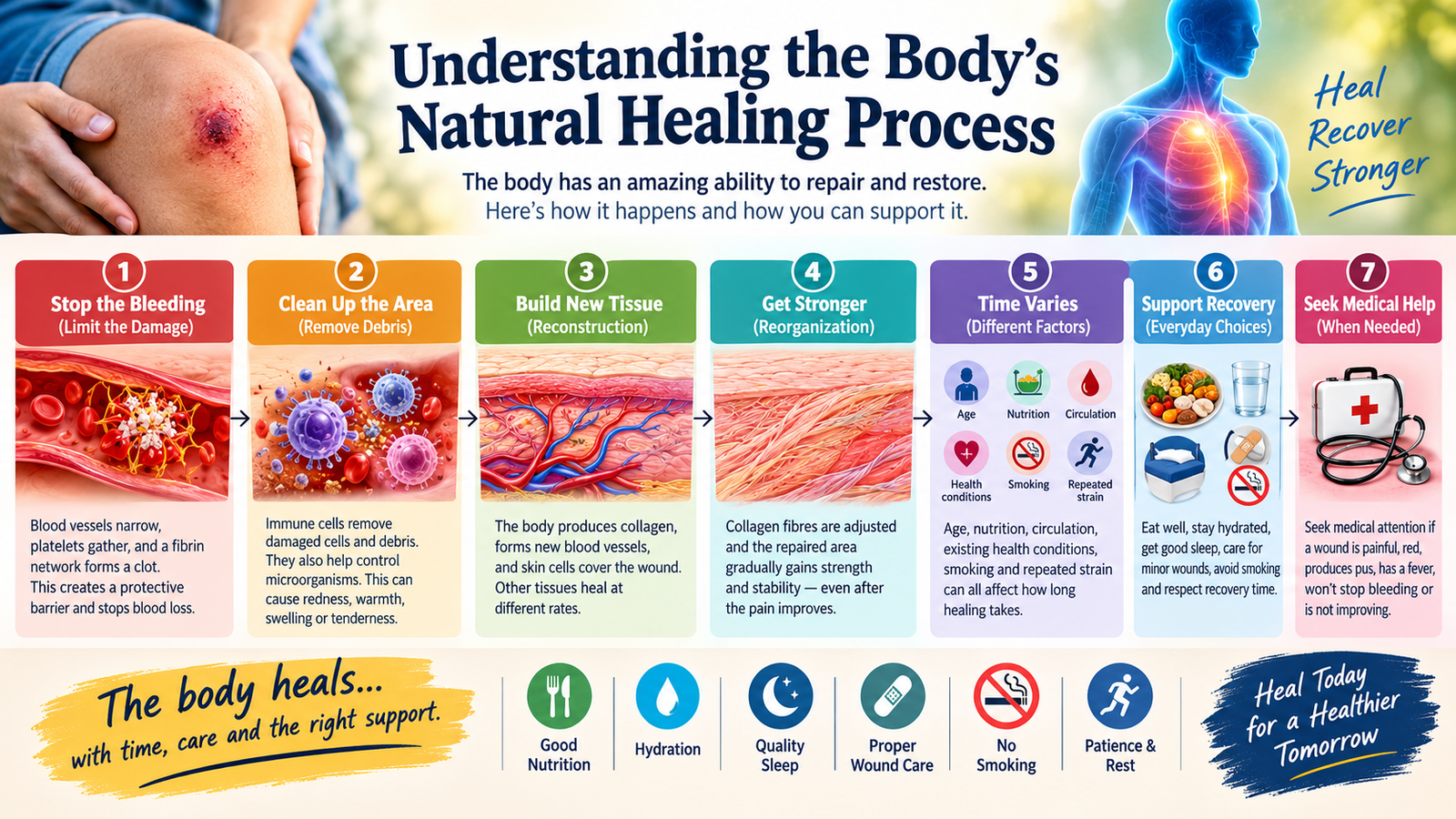
When the body experiences an injury, new tissue needs to be formed as part of the repair process. Since vitamin C is involved in collagen production, adequate amounts contribute to normal wound healing.
Good nutrition overall is important during recovery because tissue repair requires several nutrients, not vitamin C alone.
4. Acts as an Antioxidant
Normal metabolism and exposure to environmental factors can produce molecules known as free radicals. Excessive oxidative stress can damage cells.
Vitamin C has antioxidant properties and helps protect cells from oxidative stress. It also works alongside other antioxidant systems within the body.
5. Improves Absorption of Plant-Based Iron
Vitamin C can increase the absorption of non-heme iron, the form of iron commonly found in plant foods.
For example, adding tomatoes, citrus fruit, guava, bell peppers, or other vitamin C-rich foods to a meal containing beans or lentils can help the body absorb more of the available iron.
This can be particularly useful for people who obtain much of their iron from plant sources.
6. Contributes to Healthy Skin
The skin depends on collagen and other structural components to maintain its normal strength and appearance. Because vitamin C participates in collagen formation and provides antioxidant activity, it contributes to normal skin health.
A balanced diet is more important for skin health than relying on a single vitamin or supplement.
7. Supports Normal Cell Protection
Vitamin C helps protect cells from oxidative damage and participates in several biochemical reactions. These functions allow it to contribute to the body’s normal maintenance and repair processes.
Its role is therefore not limited to one organ or system.
Foods Rich in Vitamin C
Vitamin C is naturally present in many fruits and vegetables. Some excellent sources include:
- Guava
- Oranges and other citrus fruits
- Amla
- Kiwi
- Strawberries
- Papaya
- Tomatoes
- Bell peppers
- Broccoli
- Cabbage
- Green leafy vegetables
Eating different sources throughout the week can help provide vitamin C along with fiber and other beneficial nutrients.
Does Cooking Affect Vitamin C?
Vitamin C can be sensitive to heat and prolonged storage. Some of the vitamin may be lost during cooking, particularly when foods are exposed to high temperatures or large amounts of water for extended periods.
Using fresh produce, avoiding unnecessary overcooking, and choosing a mixture of raw and appropriately cooked vegetables can help preserve more of the nutrient.
Signs of Inadequate Vitamin C
A severe and prolonged lack of vitamin C can cause a condition called scurvy. Early symptoms may include fatigue, weakness, or irritability. As deficiency becomes more serious, problems such as swollen or bleeding gums, easy bruising, joint discomfort, and poor wound healing can occur.
These symptoms can have other causes as well. Anyone experiencing persistent or unusual symptoms should seek appropriate medical evaluation.
Can You Get Too Much Vitamin C?
Because vitamin C is water-soluble, excess amounts are generally eliminated through urine. However, consuming very large quantities, especially from supplements, can cause digestive problems such as diarrhea, nausea, or stomach cramps.
High-dose supplementation may also be unsuitable for some individuals. More is not necessarily better, particularly when dietary intake is already adequate.
Food First, Supplements When Needed
For most healthy people, food is a sensible way to obtain vitamin C. Fruits and vegetables provide the vitamin together with fiber, minerals, and other plant compounds.
Supplements may be appropriate in specific circumstances, but they should not replace a varied diet. People with particular medical conditions or those taking regular medications should seek professional advice before using high-dose supplements.
Simple Ways to Add More Vitamin C
Increasing vitamin C intake can be easy without making major changes to your meals.
Try adding fresh fruit to breakfast, including tomatoes or bell peppers with lunch, choosing fruit instead of highly processed snacks, or adding vegetables to soups and main dishes.
Small dietary changes made consistently can contribute to a more nutrient-rich eating pattern.
Conclusion
Vitamin C is a small but valuable part of a healthy diet. It supports normal immune function, collagen production, wound healing, antioxidant protection, healthy skin, and the absorption of iron from plant foods.
A wide variety of fruits and vegetables can provide enough vitamin C for many people. Rather than depending heavily on supplements, focus on colorful, nutrient-rich foods and a balanced eating pattern.
Taking care of your overall diet is one of the simplest ways to give your body the nutrients it needs to perform its everyday functions.
Verification Code: VC8Q5XM42LP