Introduction
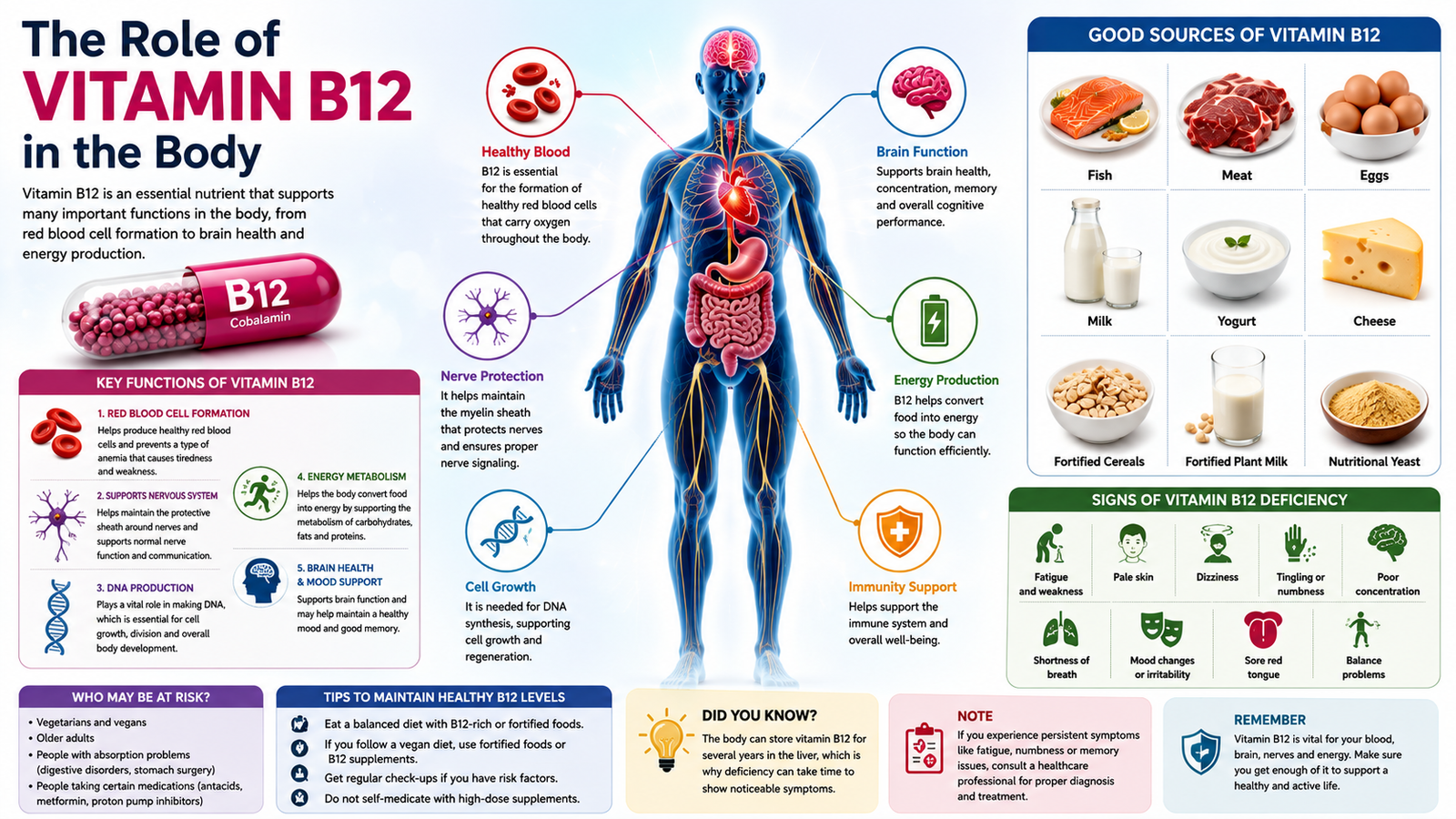
Vitamin B12 is a water-soluble vitamin that the body needs for several important functions. It contributes to healthy red blood cell formation, normal nerve activity, DNA production, and energy metabolism.
Unlike some nutrients that are widely available in plant foods, natural vitamin B12 is found mainly in animal-derived foods. Some plant-based products are fortified with B12, making them useful options for people who avoid animal foods.
Because the body can store vitamin B12 for a long time, a deficiency may develop gradually rather than producing noticeable symptoms immediately.
What Is Vitamin B12?
Vitamin B12, also known as cobalamin, is involved in several chemical reactions within the body. It works with other vitamins and minerals to maintain normal cells and tissues.
B12 is particularly important for the nervous system and the production of red blood cells. The body also needs it to make DNA, the genetic material found in cells.
1. Supports Red Blood Cell Formation
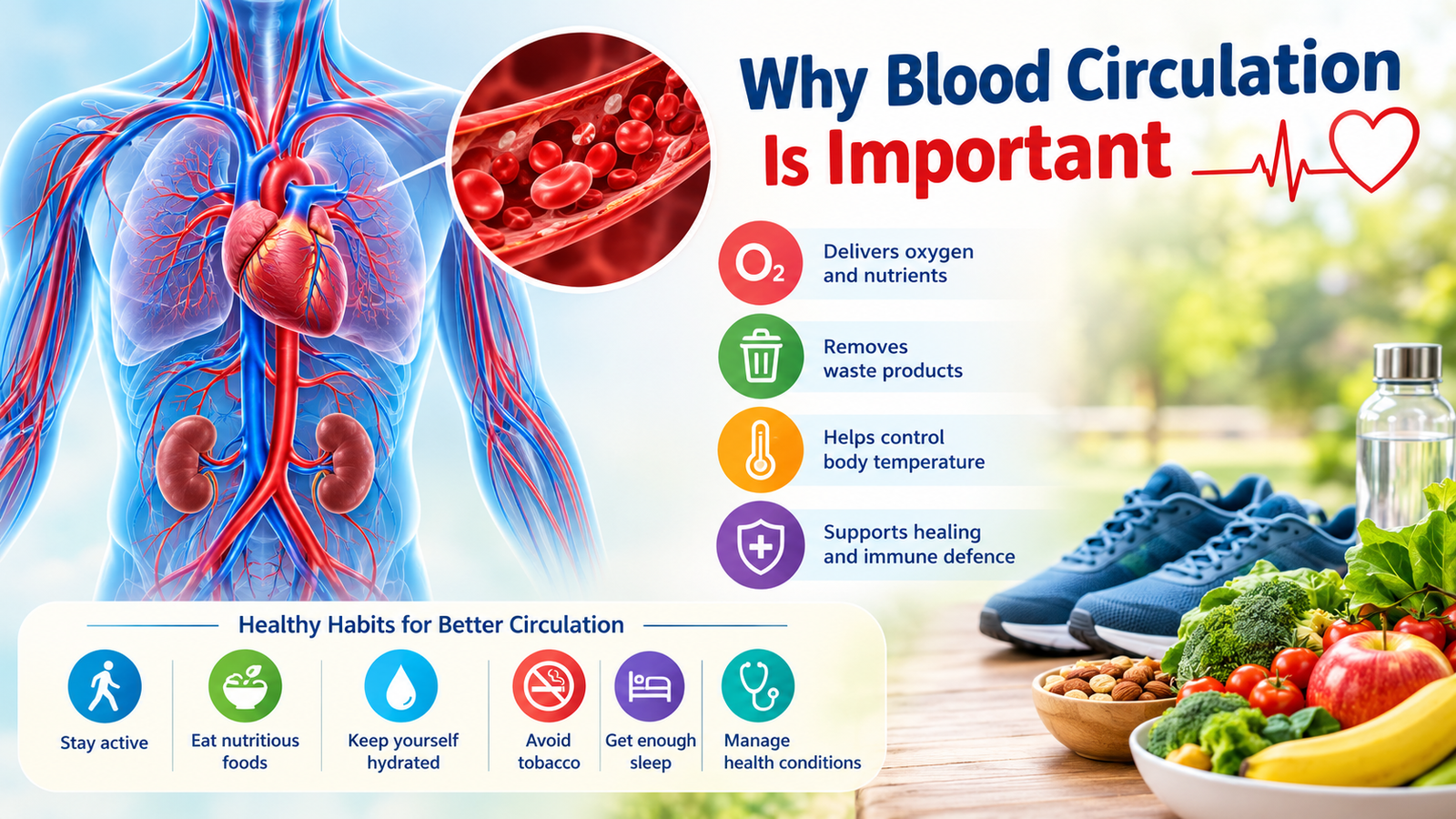
Vitamin B12 plays a role in producing healthy red blood cells. These cells carry oxygen from the lungs to tissues throughout the body.
When B12 levels remain too low, red blood cells may develop abnormally. This can contribute to a type of anemia and may cause symptoms such as tiredness, weakness, or reduced stamina.
2. Helps Maintain the Nervous System
B12 contributes to normal nerve function. It is involved in maintaining the protective structures surrounding certain nerves and in processes required for healthy neurological activity.
Long-term deficiency can affect the nervous system, which is one reason persistent symptoms such as unusual tingling or numbness should be discussed with a healthcare professional.
3. Contributes to DNA Production
Every day, the body produces and replaces cells. DNA is essential for this process because it contains the instructions needed for cell development and function.
Vitamin B12 participates in the reactions required for normal DNA synthesis, making it particularly important for tissues where cells are frequently renewed.
4. Helps the Body Use Energy
Vitamin B12 participates in the metabolism of certain nutrients, helping the body process carbohydrates, fats, and proteins.
However, B12 should not be thought of as a direct energy booster. If someone already has adequate B12 levels, taking additional B12 does not necessarily increase energy or reduce ordinary tiredness.
Its role is to help normal metabolic processes function properly.
5. Supports Healthy Red Blood Cell and Nerve Function Together
The functions of B12 are interconnected. Its involvement in both blood formation and nerve health means that inadequate intake can affect more than one body system.
This is why maintaining sufficient B12 over the long term is important rather than waiting for symptoms to appear.
Where Can You Get Vitamin B12?
Natural sources of B12 mainly include animal-derived foods such as:
- Fish and seafood
- Meat
- Eggs
- Milk
- Yogurt
- Cheese
- Poultry
People following vegetarian or vegan diets may use foods fortified with vitamin B12, such as selected breakfast cereals, plant-based beverages, nutritional yeast, or other fortified products.
The amount of B12 in fortified foods can vary, so checking the nutrition label is useful.
Why Some People May Be at Risk of Deficiency
Not everyone absorbs B12 from food equally well. The body needs a protein called intrinsic factor to absorb B12 efficiently in the small intestine.
Certain digestive conditions, stomach or intestinal surgery, and some medications can interfere with B12 absorption.
Older adults may also have a higher risk of inadequate B12 because absorption can become less efficient with age.
People who consume little or no animal-derived food may also need a reliable source of B12 through fortified foods or supplements.
Possible Signs of Vitamin B12 Deficiency
B12 deficiency can develop slowly, and symptoms vary from person to person. Possible signs include:
- Persistent tiredness
- Weakness
- Pale appearance
- Dizziness
- Difficulty concentrating
- Numbness or tingling
- Balance problems
- Changes in mood
- A sore or unusual-looking tongue
These symptoms are not unique to B12 deficiency. Iron deficiency, other nutritional problems, medical conditions, and lifestyle factors can produce similar symptoms.
If symptoms persist, proper medical evaluation and blood testing can help identify the cause.
Can Vitamin B12 Deficiency Affect Nerves?
Yes. Prolonged B12 deficiency can affect normal nerve function. Some neurological problems may become serious if deficiency remains untreated for an extended period.
Unexplained tingling, numbness, balance difficulties, or other persistent neurological changes should therefore be evaluated by a healthcare professional.
Do You Need a B12 Supplement?
Whether a supplement is useful depends on an individual’s diet, absorption, health status, and medical advice.
People who do not consume animal-derived foods may need fortified foods or a B12 supplement to reliably meet their requirements. Some people with absorption difficulties may also require supplementation under professional guidance.
Taking very large doses without a reason is generally unnecessary. A healthcare professional can recommend an appropriate form and amount when supplementation is needed.
Simple Ways to Maintain Adequate B12
A few practical habits can support healthy B12 intake:
- Include B12-containing foods regularly if they fit your diet.
- Check labels on fortified foods.
- If following a vegan or highly restricted diet, plan a dependable B12 source.
- Discuss supplementation with a healthcare professional when necessary.
- Pay attention to persistent symptoms instead of self-diagnosing a deficiency.
- Maintain an overall balanced diet containing a variety of nutrients.
Conclusion
Vitamin B12 is needed in relatively small amounts, but its importance is considerable. It supports red blood cell formation, normal nerve function, DNA production, and nutrient metabolism.
Most people can obtain B12 through animal-derived foods or appropriately fortified products. However, dietary restrictions, certain medical conditions, medications, and absorption problems can increase the risk of deficiency.
Maintaining a reliable source of vitamin B12 is especially important for people whose diets or health circumstances make adequate intake more difficult. When deficiency is suspected, professional evaluation is a better approach than taking high-dose supplements without guidance.
Verification Code: B12Q7XM45LK