Introduction
Becoming a mother brings a major change in everyday life. New mothers often spend most of their energy caring for their baby while unintentionally putting their own health at the bottom of the priority list. However, looking after yourself is not selfish—it helps you stay physically and emotionally prepared for the demands of motherhood.
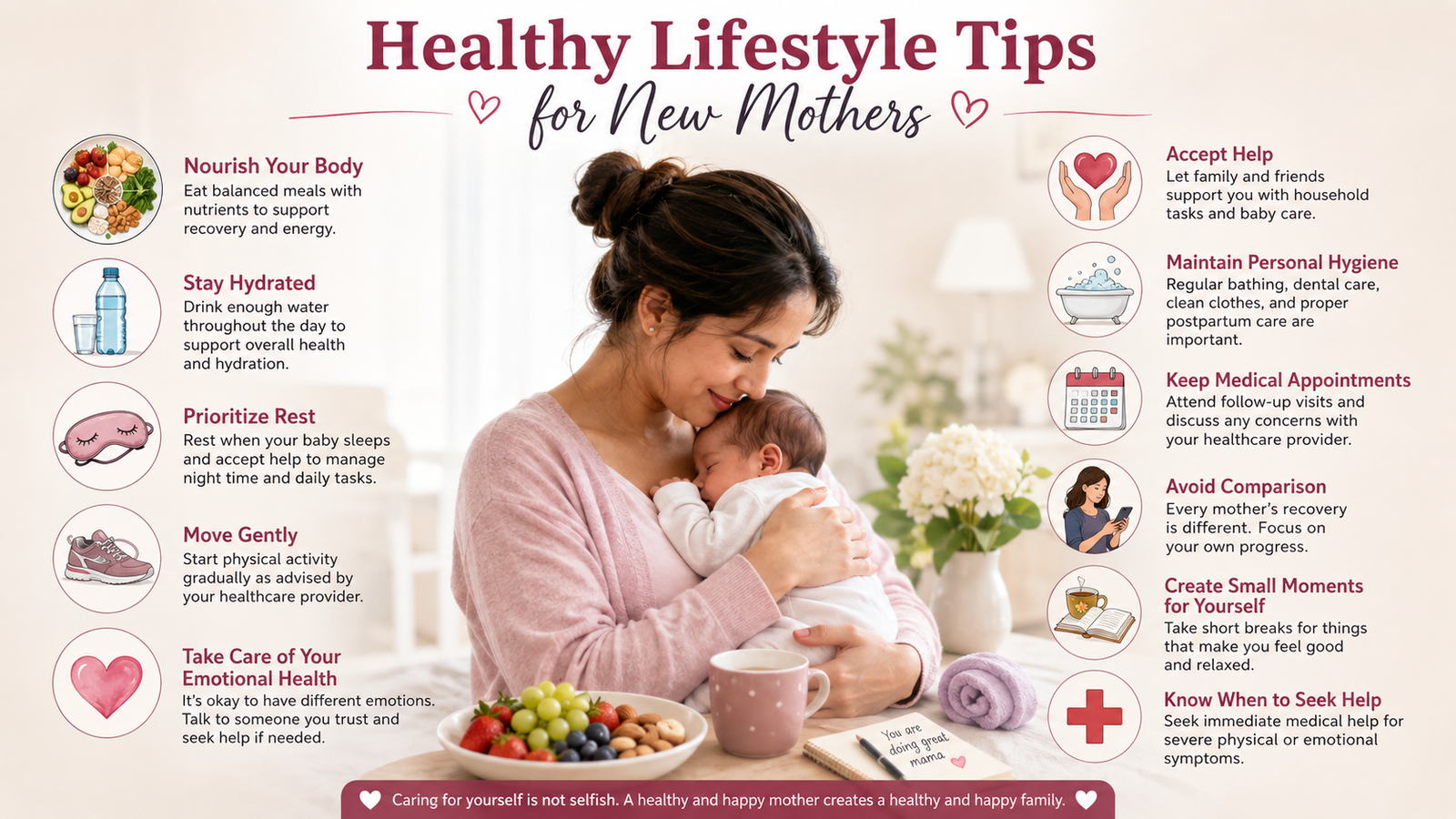
The weeks and months after childbirth are a period of recovery and adjustment. A supportive routine that includes nutritious food, adequate rest, gentle movement, hydration, emotional support, and appropriate healthcare can make this transition more manageable.
Every mother’s recovery is different, so personal medical advice should always take priority over general wellness suggestions.
Nourish Your Body with Balanced Food
After childbirth, the body needs nourishing foods to support recovery and daily energy. Instead of relying heavily on packaged snacks or skipping meals, try to include a variety of nutrient-rich foods.
A balanced plate can contain vegetables, fruits, whole grains, pulses, eggs, dairy or suitable alternatives, nuts, seeds, and other protein-rich foods. Eating regular meals can also help prevent energy dips during busy days.
For mothers who are breastfeeding, nutritional and fluid requirements may be different. A healthcare professional or registered dietitian can provide guidance based on individual needs.
Keep Yourself Hydrated
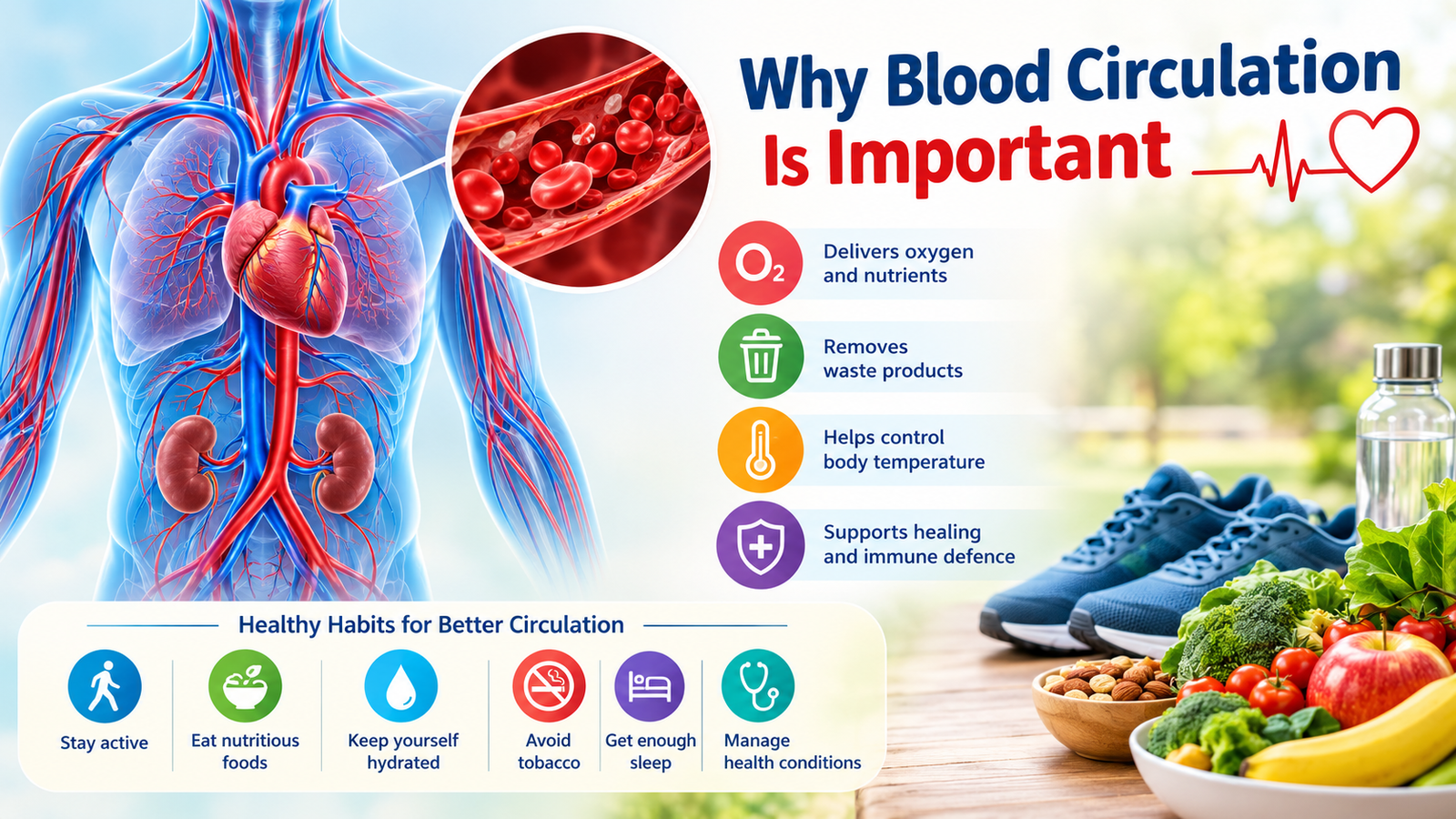
Caring for a baby can make it easy to forget basic needs such as drinking water. Keeping a bottle of water near your usual feeding or resting area can make hydration more convenient.
Water is important for normal digestion, circulation, temperature regulation, and many other body functions. Choosing water regularly instead of relying mainly on sugary drinks is a simple healthy habit.
Make Rest a Priority
Sleep can become unpredictable after having a baby. Although uninterrupted nights may not be possible during the early months, finding opportunities to rest can still help.
When possible, consider resting while the baby sleeps, sharing nighttime responsibilities with a partner or trusted family member, and reducing unnecessary tasks.
Rather than expecting yourself to maintain the same routine you had before childbirth, allow your schedule to change during this period.
Start Physical Activity Gradually
Movement can support recovery, energy, mood, and general fitness. However, the appropriate timing and intensity depend on the type of delivery, recovery, and individual health.
Once your healthcare provider says it is appropriate, gentle walking and other suitable activities can be introduced gradually. Avoid comparing your recovery with another mother’s experience.
The goal is not to return to a previous body shape quickly. The priority should be recovering strength and feeling comfortable in your body.
Take Care of Your Emotional Health
Motherhood can bring happiness, but it can also involve exhaustion, frustration, loneliness, or emotional changes. Giving yourself permission to experience different emotions is important.
Talking honestly with a partner, friend, family member, or healthcare professional can provide valuable support. Making a little time for activities you enjoy can also help you reconnect with yourself beyond your role as a mother.
If sadness, anxiety, hopelessness, or emotional distress becomes intense, lasts for an extended period, or makes daily activities difficult, seek professional medical support.
Accept Help Without Guilt
New mothers do not have to manage everything alone. Family members, friends, and trusted people may be able to help with cooking, cleaning, shopping, errands, or baby care.
Accepting reasonable assistance gives you more time to recover and rest. Instead of trying to complete every household responsibility, concentrate on the tasks that genuinely require your attention.
Maintain Personal Hygiene
Personal care can sometimes be forgotten when most of the day revolves around the baby. Basic hygiene remains important during postpartum recovery.
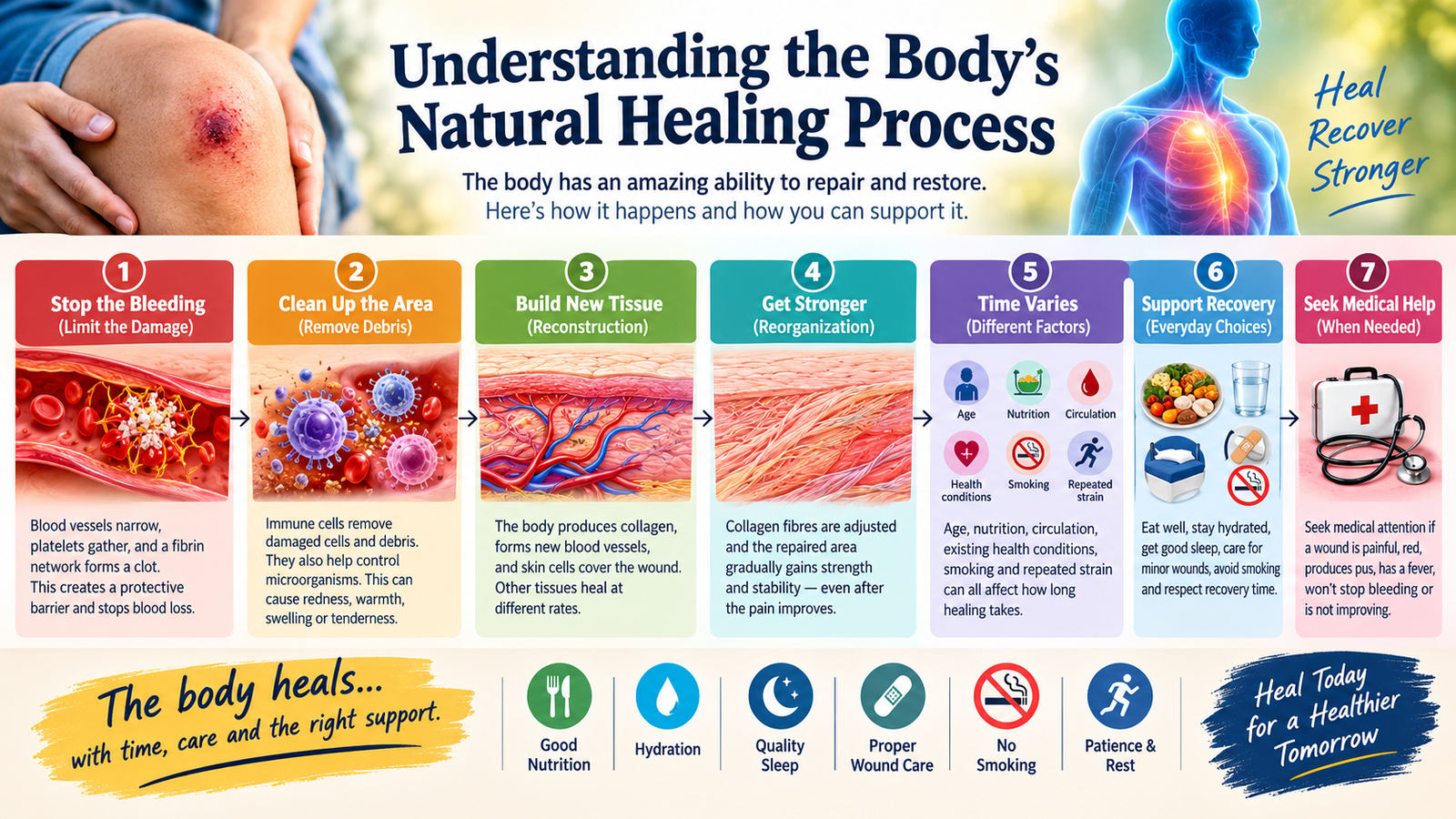
Regular bathing, dental care, clean clothing, and appropriate wound or incision care when applicable can help you feel comfortable and support general health. Follow your healthcare provider’s instructions regarding postpartum care.
Keep Medical Appointments
Postpartum healthcare is an important part of recovery. Follow-up appointments allow healthcare professionals to monitor healing, discuss contraception or reproductive health when relevant, review medications, and address concerns.
Do not hesitate to mention symptoms that seem unusual or persistent. There is no need to wait until a scheduled appointment if something feels seriously wrong.
Avoid Comparing Your Recovery
Social media can create unrealistic expectations about how quickly new mothers should recover, exercise, lose weight, or return to normal routines.
Every pregnancy and delivery is different. Recovery may depend on factors such as overall health, delivery method, complications, sleep, support, and individual circumstances.
Focus on gradual progress rather than comparing yourself with someone else’s timeline.
Create Small Moments for Yourself
Self-care does not always require hours of free time. A few minutes spent reading, enjoying tea, taking a shower, listening to music, practicing breathing exercises, or sitting quietly can provide a valuable mental break.
Small moments of personal care can make demanding days feel more manageable.
Build a Practical Daily Routine
A flexible routine can reduce the feeling of constantly reacting to unexpected tasks. Try organizing the day around essential activities such as meals, hydration, rest, baby care, movement, and personal time.
The routine does not need to be perfect. Some days will go according to plan, while others will be unpredictable. Flexibility is an important part of life with a newborn.
Know When to Seek Medical Help
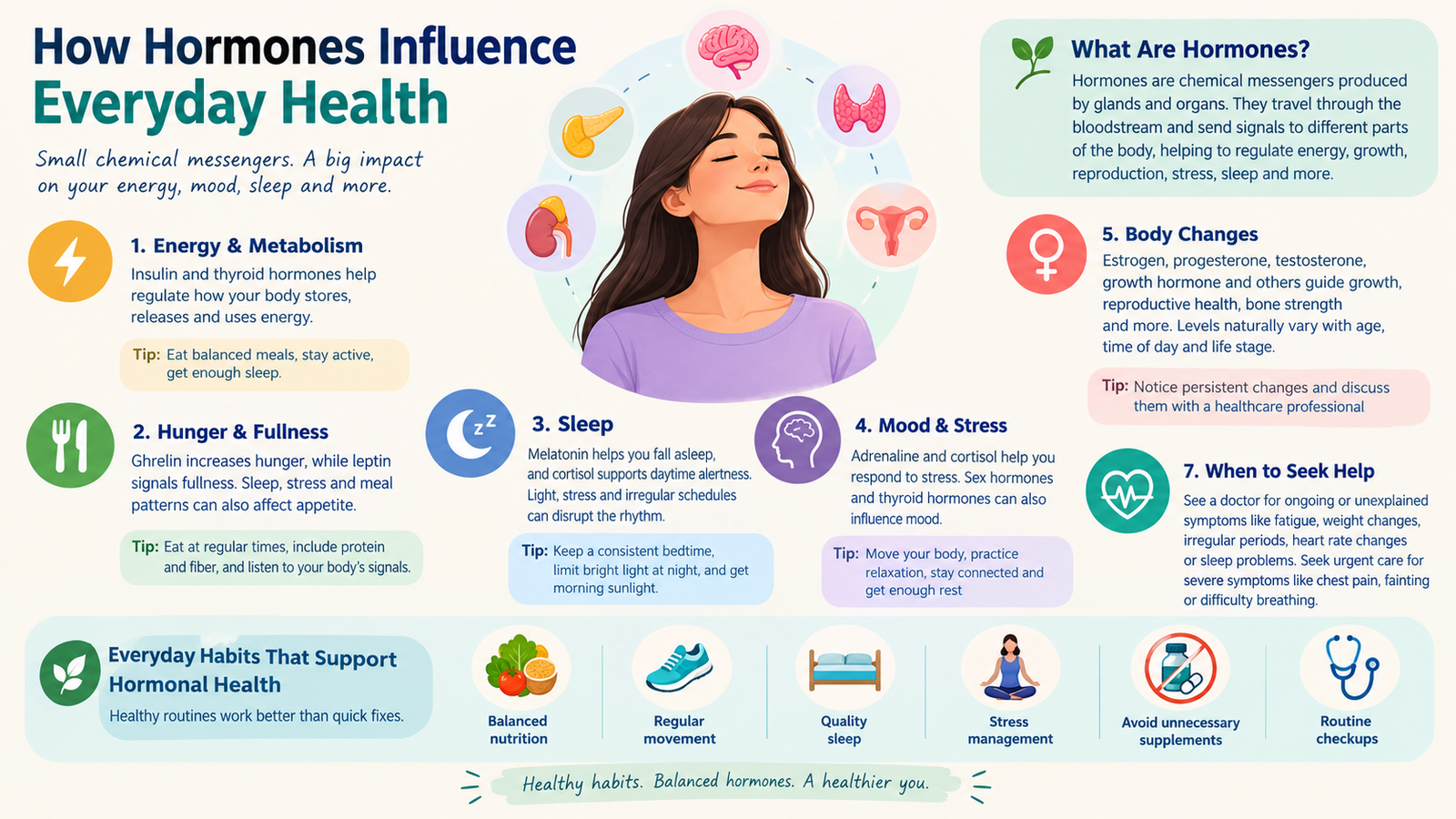
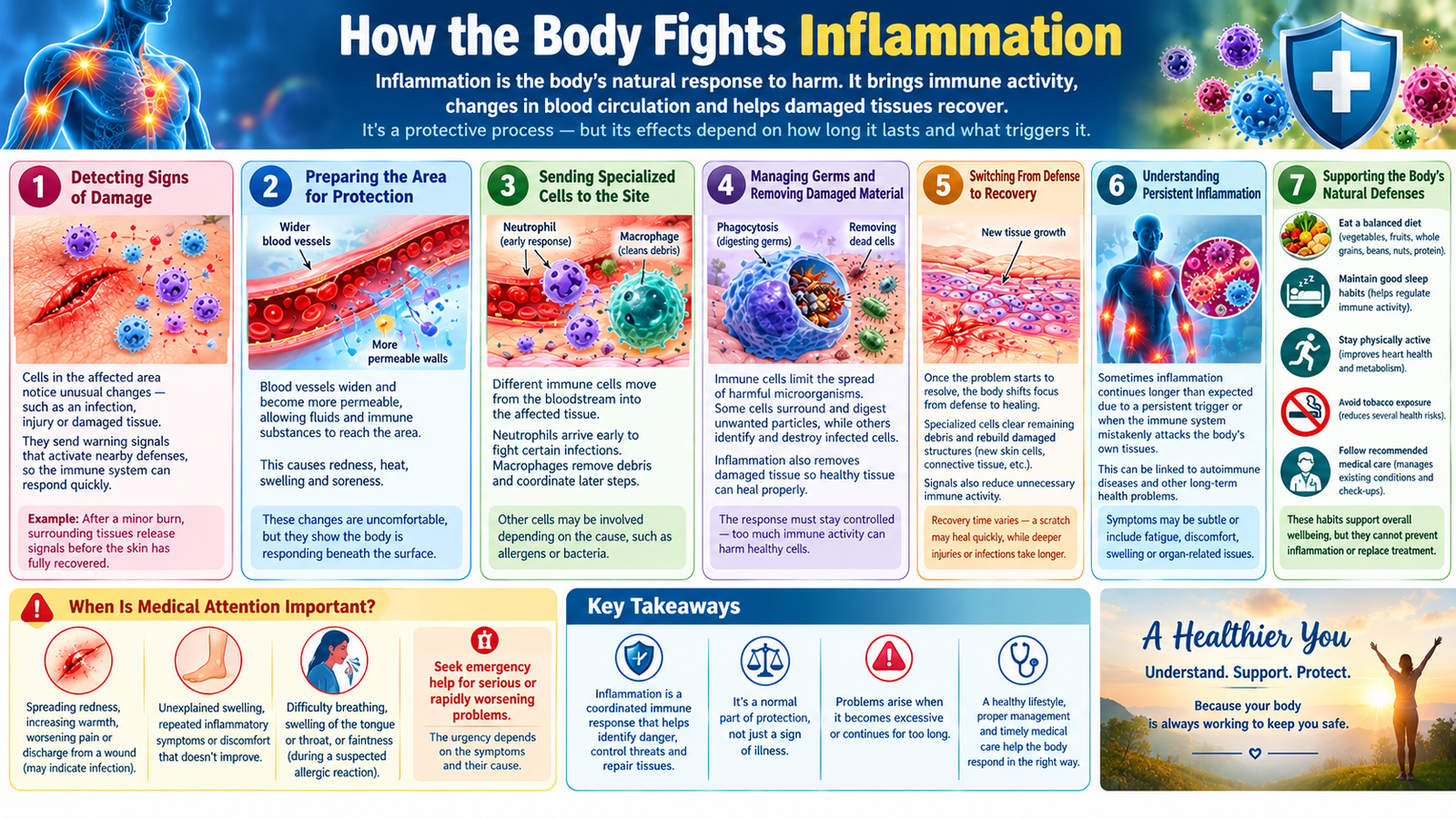
Certain postpartum symptoms require prompt professional attention. Severe or worsening pain, heavy bleeding, difficulty breathing, chest pain, severe headache, vision changes, fainting, high fever, or significant swelling should not be ignored.
Mental health concerns also deserve medical attention. If you experience thoughts of harming yourself or your baby, seek urgent professional help immediately.
Conclusion
Healthy living as a new mother is not about following a perfect schedule. It is about meeting your basic needs while adapting to a major life transition. Nutritious meals, adequate hydration, rest, gradual activity, emotional support, personal care, and appropriate medical follow-up can provide a strong foundation for recovery and well-being.
Remember that caring for yourself is also part of caring for your baby. Give yourself patience, accept support, and allow your recovery to happen at its own pace.
Verification Code: NM8Q5XR73LK