Introduction
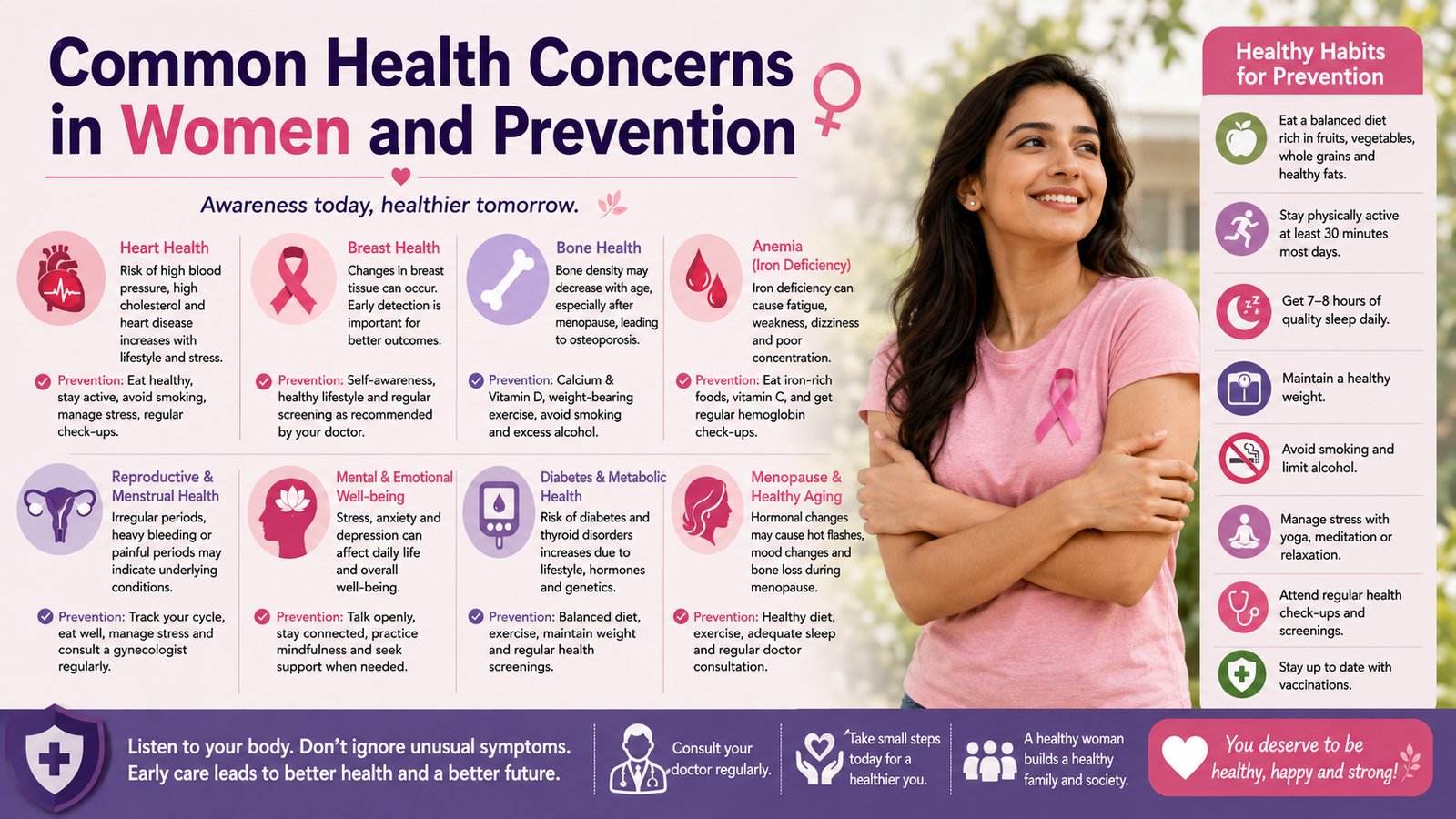
Women’s health changes throughout different stages of life. From adolescence and reproductive years to pregnancy, motherhood, menopause, and older age, the body experiences many physical and hormonal changes. Along with these changes, women may face certain health concerns that require awareness, prevention, and timely medical care.
Many health problems can be reduced through healthy lifestyle choices and regular medical check-ups. Understanding common concerns does not mean expecting illness; instead, it helps women recognize warning signs early and make informed decisions about their health.
Why Preventive Health Matters for Women
Prevention involves taking care of health before a serious problem develops. Eating nutritious food, staying physically active, getting adequate sleep, managing stress, maintaining healthy relationships, and attending recommended screenings are all important parts of preventive care.
Women should also discuss their individual health history and risk factors with qualified healthcare professionals because recommended screenings can vary according to age, family history, lifestyle, and other circumstances.
Heart Health
Heart disease is an important health concern for women, although its symptoms and risk factors can sometimes differ from what people commonly expect.
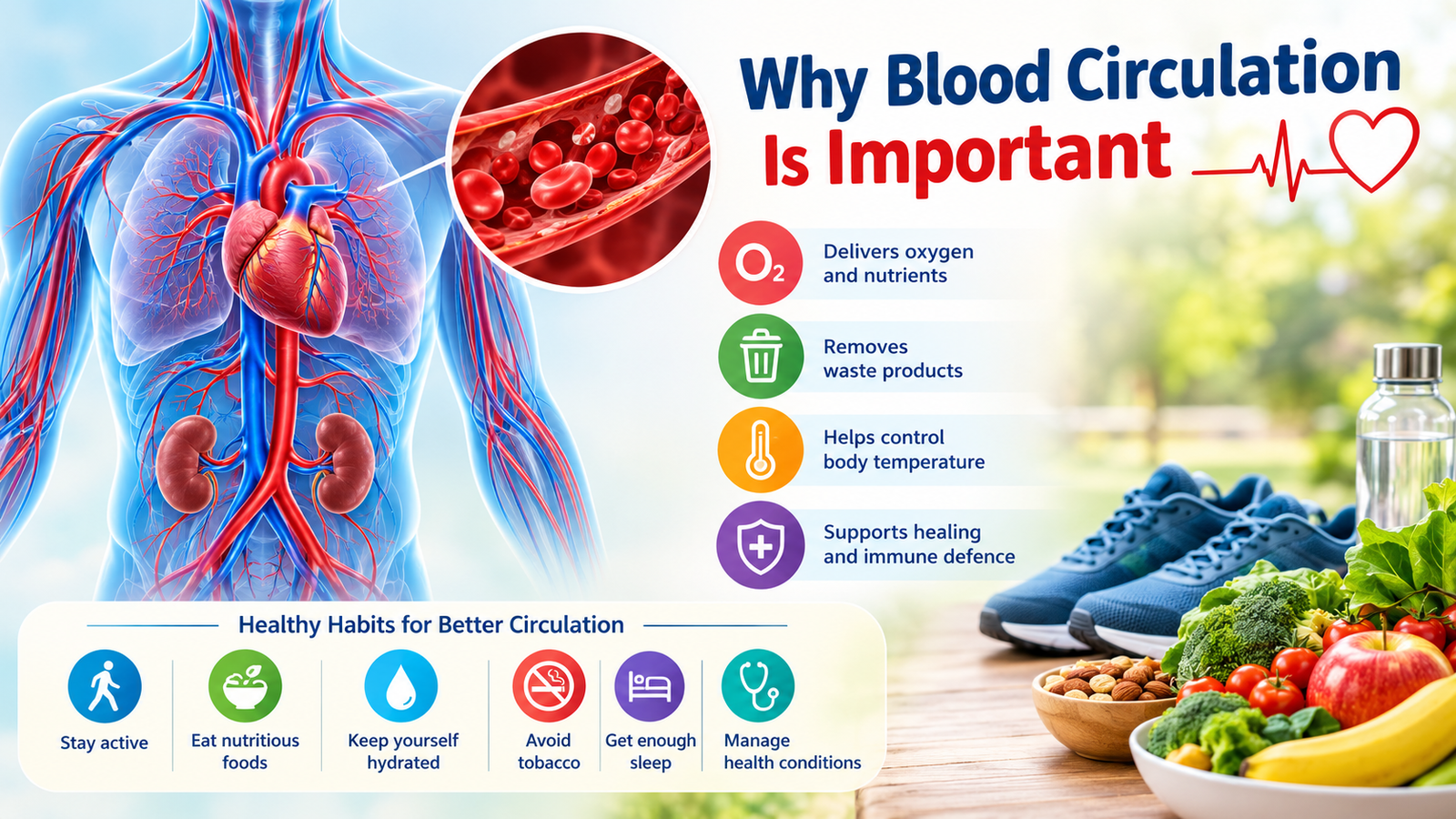
High blood pressure, high cholesterol, diabetes, smoking, physical inactivity, excess weight, and an unhealthy diet can increase cardiovascular risk.
Prevention Tips
- Stay physically active on a regular basis.
- Choose vegetables, fruits, whole grains, legumes, and other nutritious foods.
- Avoid smoking and exposure to tobacco smoke.
- Monitor blood pressure and cholesterol when recommended.
- Manage stress through healthy activities.
- Attend routine medical check-ups.
Taking care of heart health should begin early rather than waiting for symptoms.
Breast Health
Breast changes can occur naturally throughout a woman’s life. However, unusual changes should not be ignored.
Women should become familiar with how their breasts normally look and feel and discuss any new or persistent changes with a healthcare professional. Recommended breast screening varies according to age and individual risk.
Prevention Tips
Maintaining a healthy weight, exercising regularly, avoiding tobacco, limiting alcohol, and following appropriate screening recommendations can contribute to better breast health.
Bone Health
Bone strength is particularly important as women grow older. Hormonal changes associated with menopause can accelerate bone loss in some women, increasing the risk of osteoporosis and fractures.
Prevention Tips
Adequate calcium and vitamin D, weight-bearing activity, strength exercises, and avoiding smoking can support healthy bones. Women with risk factors for osteoporosis should discuss bone health with their healthcare provider.
Anemia and Iron Deficiency
Iron deficiency can occur when the body does not have enough iron to produce adequate hemoglobin. Women with heavy menstrual bleeding, increased nutritional requirements, or insufficient dietary iron may be more vulnerable.
Possible symptoms can include tiredness, weakness, dizziness, or reduced concentration.
Iron-rich foods such as lentils, beans, leafy vegetables, eggs, meat, and fortified foods can contribute to adequate iron intake. Persistent symptoms should be medically evaluated rather than treated through supplements without professional guidance.
Reproductive and Menstrual Health
Changes in menstrual patterns can occur for many reasons. Irregular periods, unusually heavy bleeding, severe menstrual pain, or bleeding between periods may sometimes indicate an underlying condition.
Keeping track of menstrual cycles can help women recognize changes and communicate useful information to healthcare professionals.
Regular gynecological care is also important for discussing reproductive health, contraception, pregnancy planning, and other individual concerns.
Mental and Emotional Well-being
Mental health deserves the same attention as physical health. Stress, anxiety, depression, loneliness, and emotional exhaustion can affect daily life and overall well-being.
Healthy coping strategies include regular movement, adequate sleep, social connection, relaxation techniques, enjoyable hobbies, and taking appropriate breaks from stressful activities.
If emotional difficulties persist or interfere with daily functioning, professional support can be valuable.
Diabetes and Metabolic Health
Women may develop diabetes or other metabolic problems due to a combination of genetic, lifestyle, and health-related factors. Pregnancy can also temporarily affect blood sugar regulation in some women.
Maintaining a healthy body weight, eating balanced meals, remaining physically active, and attending recommended health screenings can help reduce risk and support metabolic health.
Women with a history of diabetes during pregnancy should discuss appropriate follow-up care with their healthcare provider.
Menopause and Healthy Aging
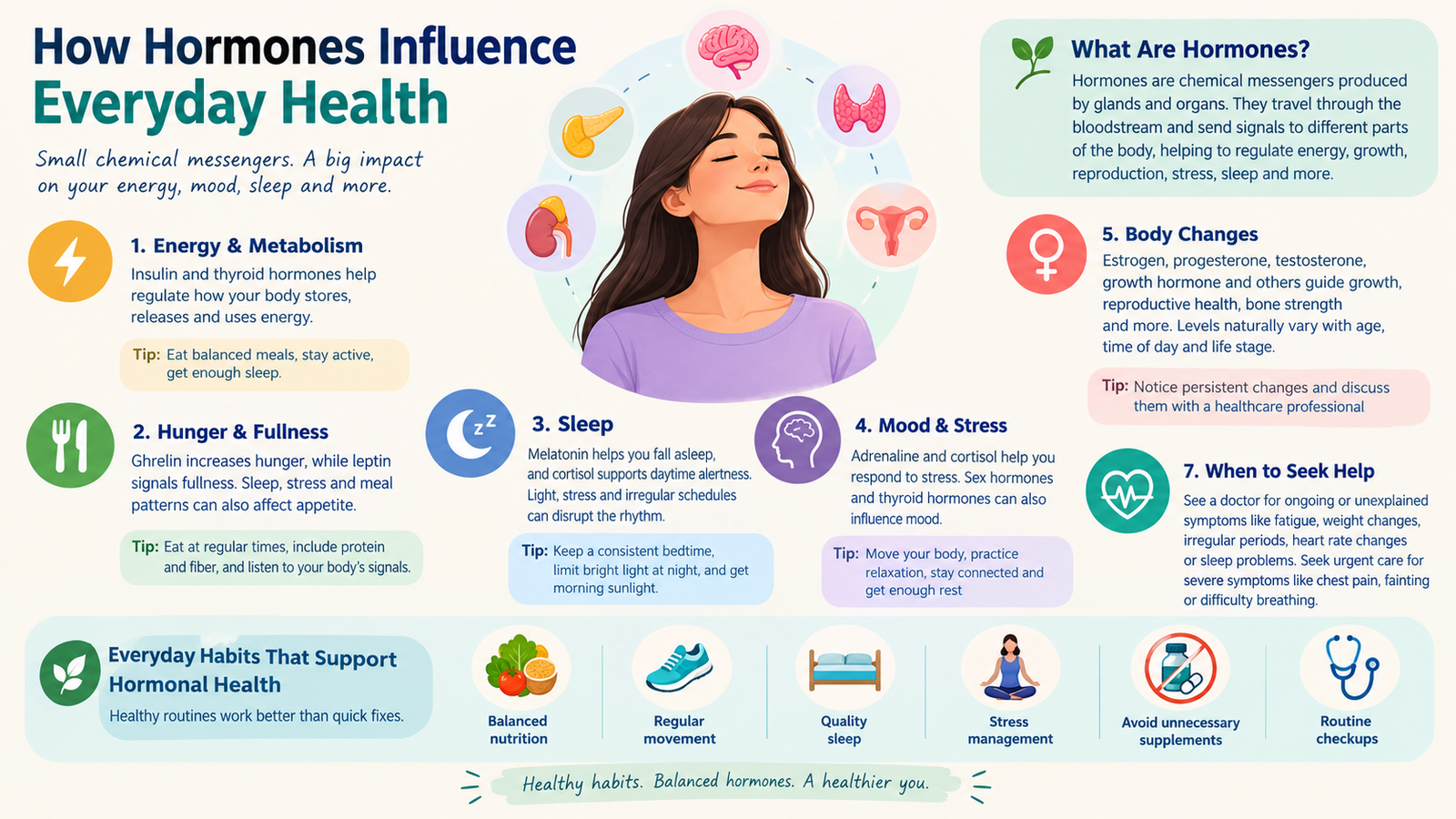
Menopause is a natural stage of life rather than an illness. Hormonal changes during this period can bring symptoms such as hot flashes, sleep difficulties, mood changes, and changes in bone health.
Healthy eating, regular exercise, adequate sleep, stress management, and appropriate medical care can make this transition easier to manage.
Healthy Habits for Prevention
A strong preventive routine can include:
- Eating a varied and nutritious diet.
- Exercising regularly.
- Maintaining a healthy weight.
- Getting sufficient sleep.
- Avoiding tobacco products.
- Limiting alcohol.
- Practicing good hygiene.
- Staying up to date with recommended vaccinations.
- Attending appropriate health screenings.
- Discussing unusual symptoms with a healthcare professional.
These habits support general health while reducing several preventable risk factors.
When Should Women Seek Medical Advice?
Some symptoms should not be ignored. Unexplained weight changes, persistent fatigue, unusual bleeding, severe pain, breast changes, difficulty breathing, chest discomfort, or sudden changes in health deserve professional evaluation.
Self-diagnosis can sometimes delay appropriate treatment. When symptoms are persistent, unusual, or worsening, consulting a qualified healthcare professional is the safest approach.
Conclusion
Women’s health involves many interconnected areas, including heart health, breast health, bone strength, reproductive wellness, mental well-being, metabolic health, and healthy aging. Awareness and prevention can make a significant difference in identifying potential problems early and maintaining a better quality of life.
There is no single routine that works for every woman. The most effective approach is to develop healthy daily habits while receiving age- and risk-appropriate medical care. Taking small steps consistently can provide a strong foundation for lifelong wellness.
Verification Code: WH7Q4XM92LK