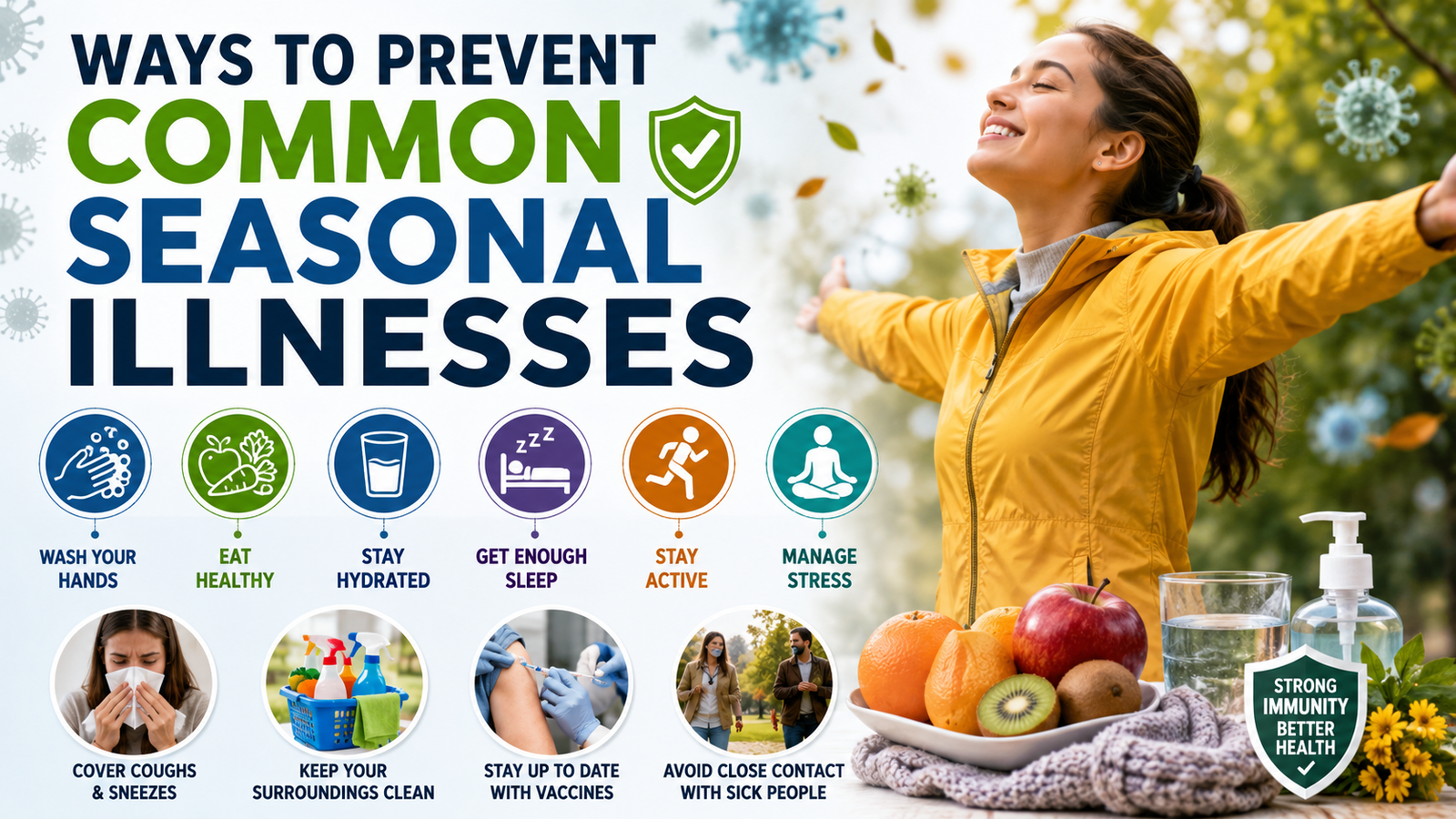
Introduction
Seasonal changes bring fresh weather, but they also create conditions that allow many common illnesses to spread more easily. During different times of the year, people may experience colds, influenza, sore throats, allergies, stomach infections, or other seasonal health concerns. Although these illnesses are common, many of them can be avoided by following simple preventive practices every day.
Protecting your health does not always require expensive medicines or complicated routines. Everyday actions such as eating nutritious meals, maintaining good hygiene, exercising regularly, sleeping well, and managing stress can strengthen the body’s natural defenses. Consistency is the key to staying healthy throughout every season.
What Are Seasonal Illnesses?
Seasonal illnesses are health conditions that occur more frequently during particular seasons because of changes in climate, humidity, temperature, and environmental conditions.
For example, respiratory infections often become more common during colder months when people spend more time indoors, while warmer seasons may increase the chances of dehydration or food-related illnesses. Certain seasons also bring higher pollen levels, which can trigger allergic reactions in many individuals.
Understanding these patterns helps people prepare and protect themselves before illnesses develop.
Keep Your Hands Clean
Hand hygiene remains one of the most effective methods for preventing the spread of germs.
Hands frequently touch surfaces that may carry viruses and bacteria. Washing hands thoroughly with soap and water before eating, after using the restroom, after coughing or sneezing, and after returning home significantly lowers the risk of infection.
When soap and water are unavailable, an alcohol-based hand sanitizer can be a useful alternative.
Strengthen Your Body with Nutritious Foods
A strong immune system depends greatly on proper nutrition.
Daily meals should contain colorful fruits, leafy vegetables, whole grains, legumes, healthy fats, lean protein sources, and dairy or suitable alternatives. These foods provide vitamins, minerals, antioxidants, and other nutrients that support normal body functions.
Choosing freshly prepared meals instead of heavily processed foods also contributes to better overall health.
Drink Enough Fluids
The human body requires adequate fluids to function efficiently.
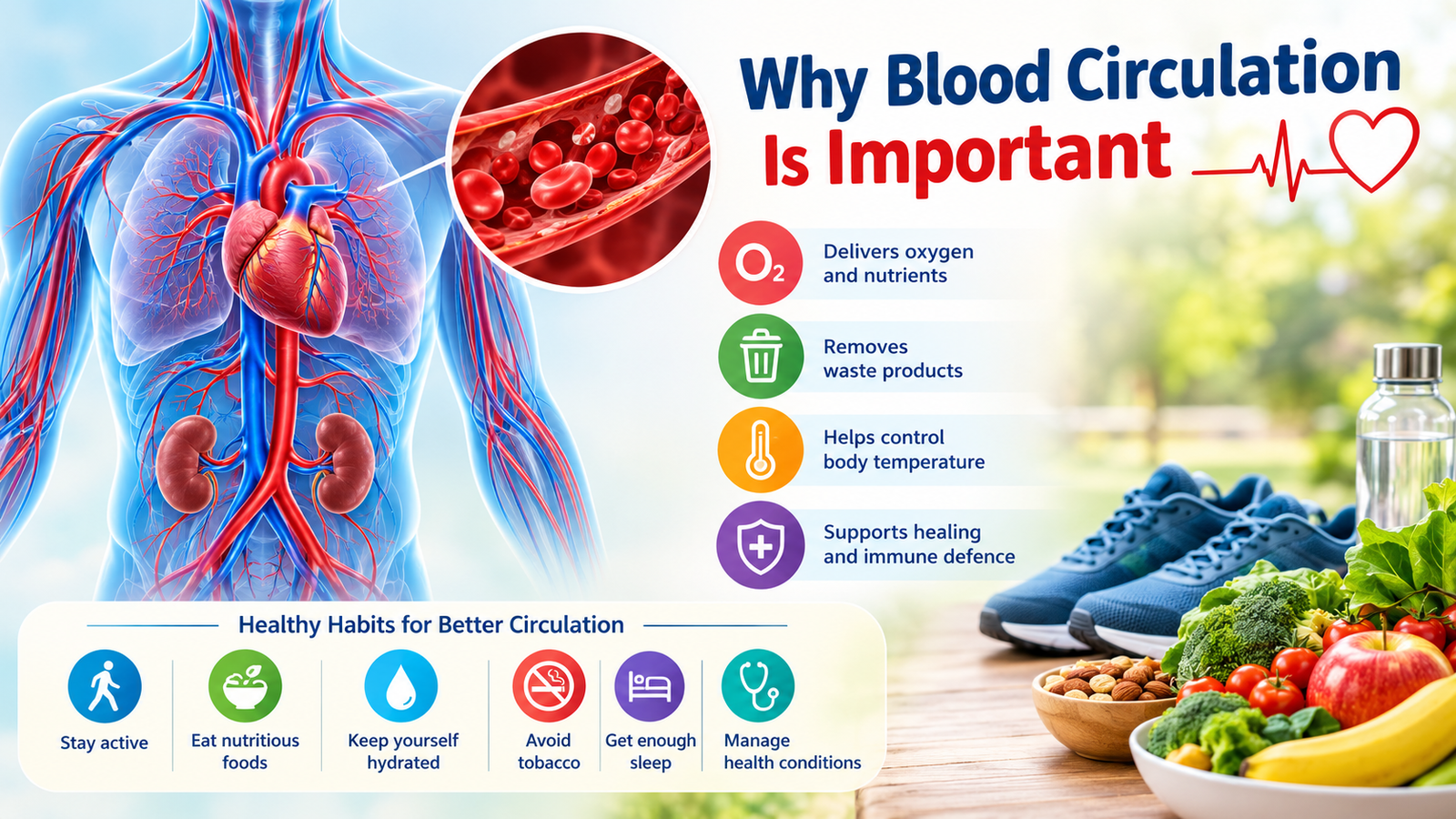
Water supports digestion, circulation, temperature regulation, and nutrient transport. Proper hydration also helps maintain healthy tissues in the nose and throat, which serve as important barriers against harmful microorganisms.
Carrying a reusable water bottle encourages regular water intake throughout the day.
Prioritize Quality Sleep
Rest is an essential part of maintaining good health.
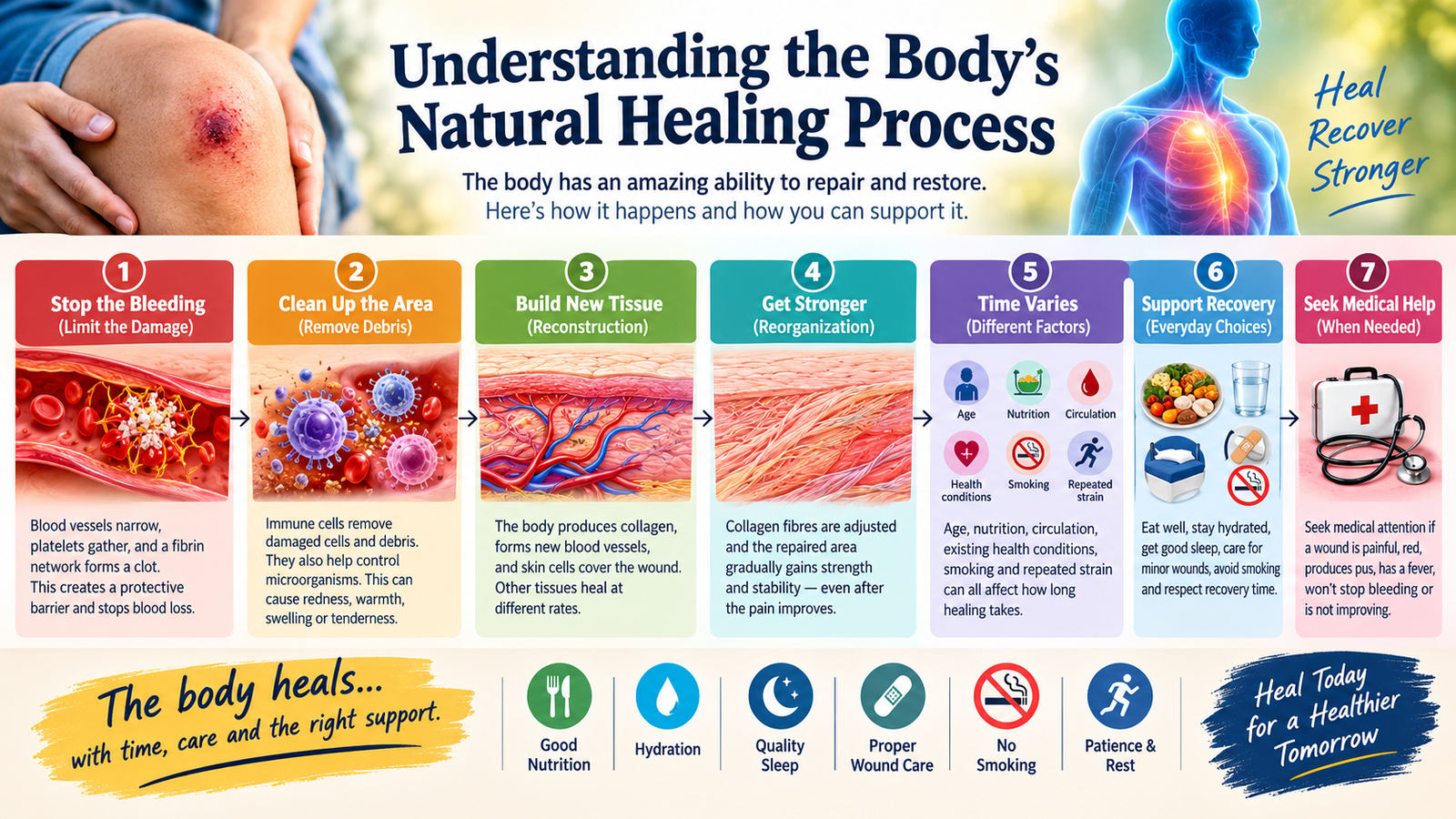
While sleeping, the body repairs tissues, restores energy, and supports healthy immune function. Maintaining a consistent bedtime and limiting electronic device use before sleeping can improve sleep quality.
Adults generally benefit from seven to nine hours of sleep each night, while growing children require even more.
Stay Physically Active
Exercise benefits far more than muscles and bones.
Regular physical activity supports healthy circulation, improves energy levels, enhances mood, and contributes to a stronger immune system. Walking, cycling, stretching, dancing, swimming, or practicing yoga are all effective ways to remain active.
The goal is regular movement rather than intense workouts.
Practice Good Respiratory Etiquette
Respiratory illnesses spread easily through tiny droplets released during coughing or sneezing.
Covering the mouth and nose with a tissue or the elbow helps reduce the spread of germs. Used tissues should be discarded immediately, followed by proper handwashing.
Avoiding unnecessary face touching with unclean hands also reduces infection risk.
Maintain a Clean Living Environment
Keeping living spaces clean contributes to healthier surroundings.
Frequently touched objects such as mobile phones, keyboards, remote controls, door handles, and kitchen surfaces should be cleaned regularly. Proper ventilation by opening windows whenever possible also improves indoor air quality.
A clean environment reduces opportunities for harmful microorganisms to spread.
Reduce Stress Levels
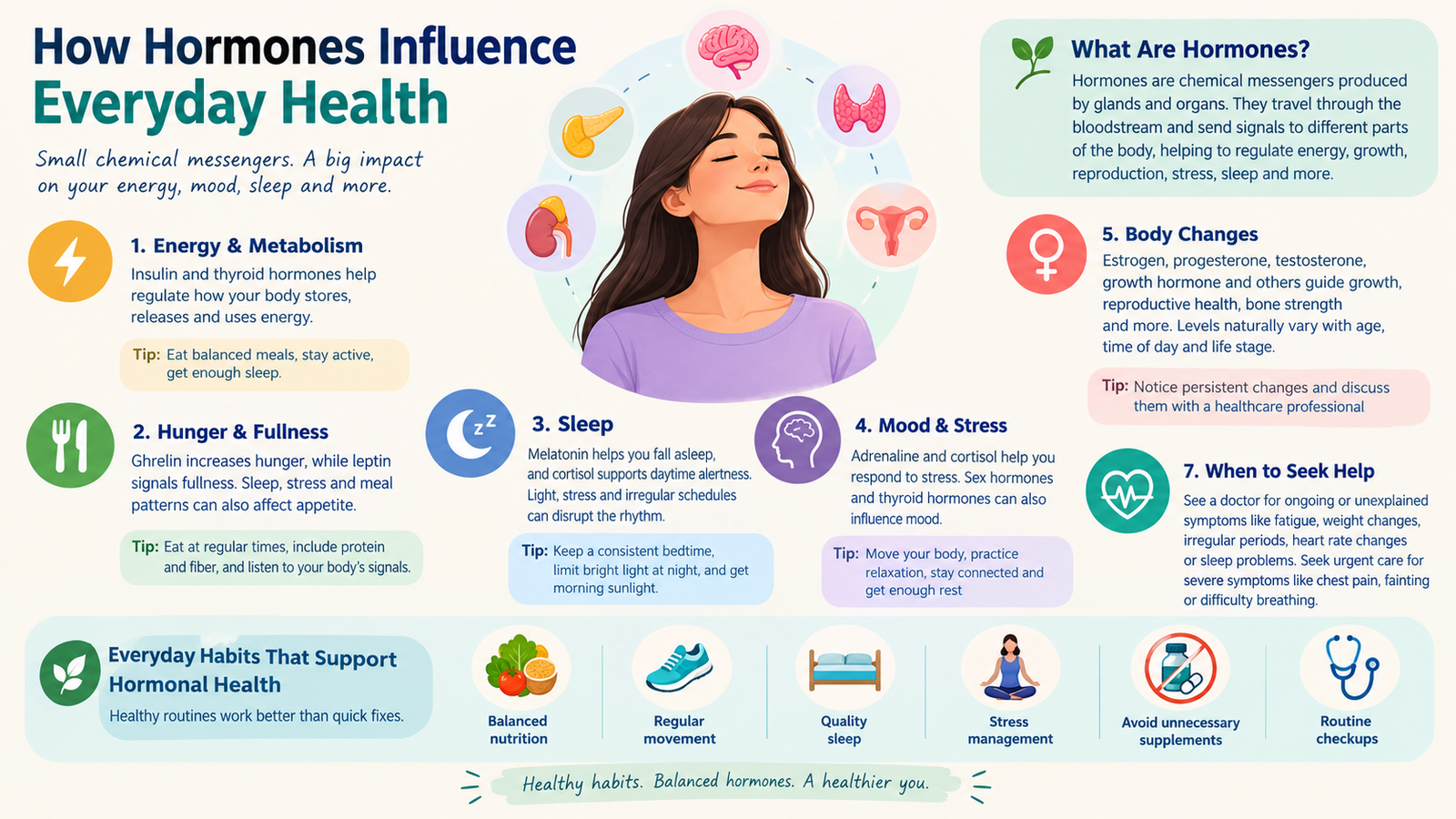
Long-lasting stress may affect overall well-being and make it more difficult for the body to function at its best.
Simple relaxation activities such as reading, gardening, meditation, deep breathing, spending time outdoors, or enjoying hobbies help maintain emotional balance.
Looking after mental health supports physical health as well.
Stay Current with Recommended Vaccinations
Vaccines remain one of the most effective ways to prevent several infectious diseases.
Receiving recommended vaccinations according to guidance from healthcare professionals provides protection against certain seasonal infections and helps reduce their spread within communities.
Medical advice should always be followed regarding vaccination schedules.
Avoid Sharing Personal Items
Everyday objects such as drinking bottles, towels, eating utensils, lip balm, and toothbrushes may transfer germs between individuals.
Using personal items separately and cleaning reusable items regularly helps lower the chance of infection, especially when someone in the household is unwell.
Listen to Your Body
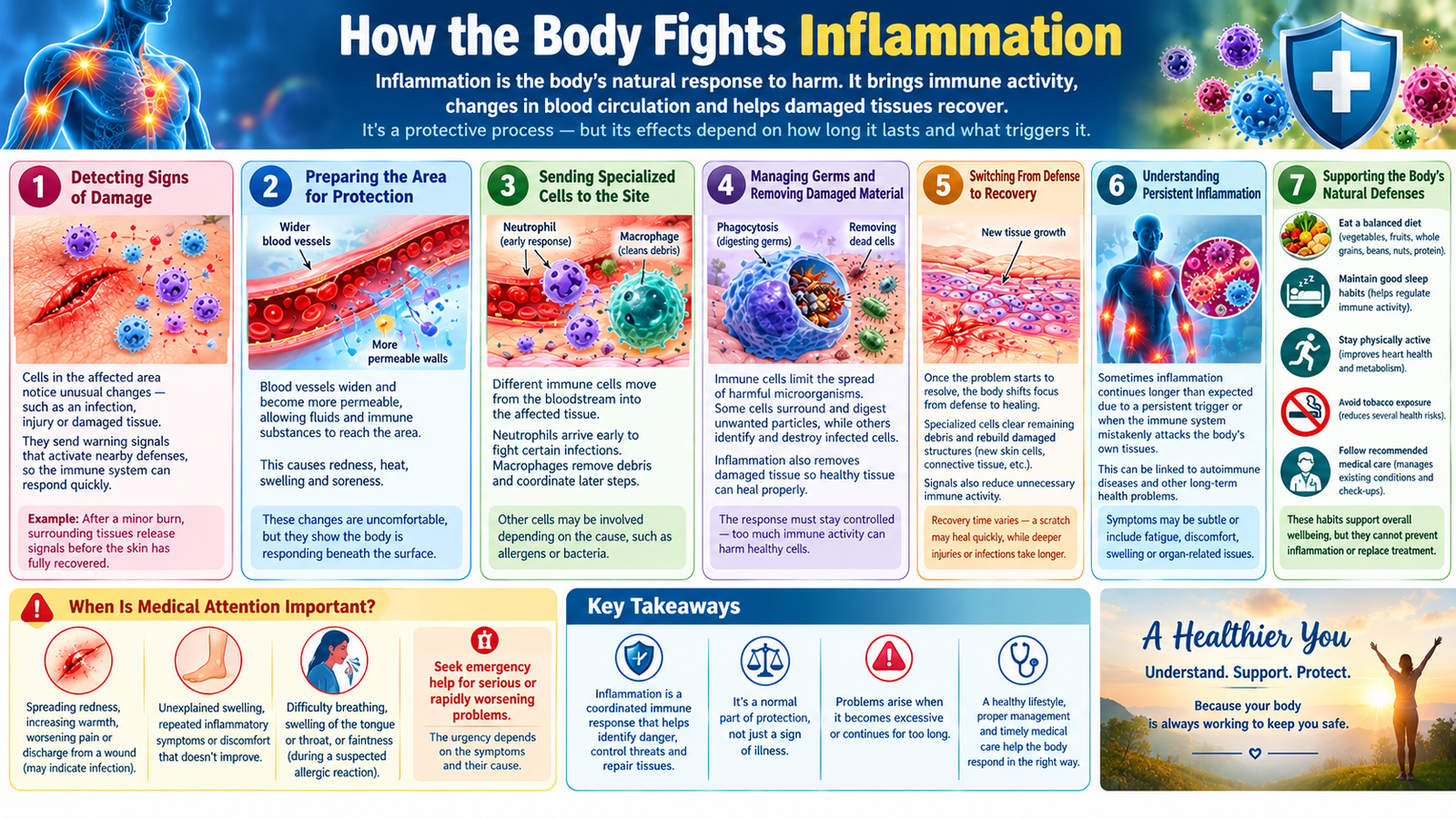
Ignoring early symptoms may allow illnesses to become more serious.
Persistent fever, severe cough, breathing difficulty, prolonged vomiting, dehydration, chest discomfort, or symptoms that continue for several days should be evaluated by a qualified healthcare professional.
Early medical attention often leads to quicker recovery and reduces the risk of complications.
Conclusion
Preventing seasonal illnesses begins with everyday habits rather than waiting until sickness appears. Washing hands regularly, eating balanced meals, drinking sufficient water, remaining physically active, sleeping well, managing stress, maintaining clean surroundings, receiving recommended vaccinations, and paying attention to early symptoms all contribute to better health.
Small preventive actions practiced consistently throughout the year help reduce illness, improve overall well-being, and support a healthier lifestyle for individuals and families alike.
Verification Code: SC7P9XM42LK