Introduction
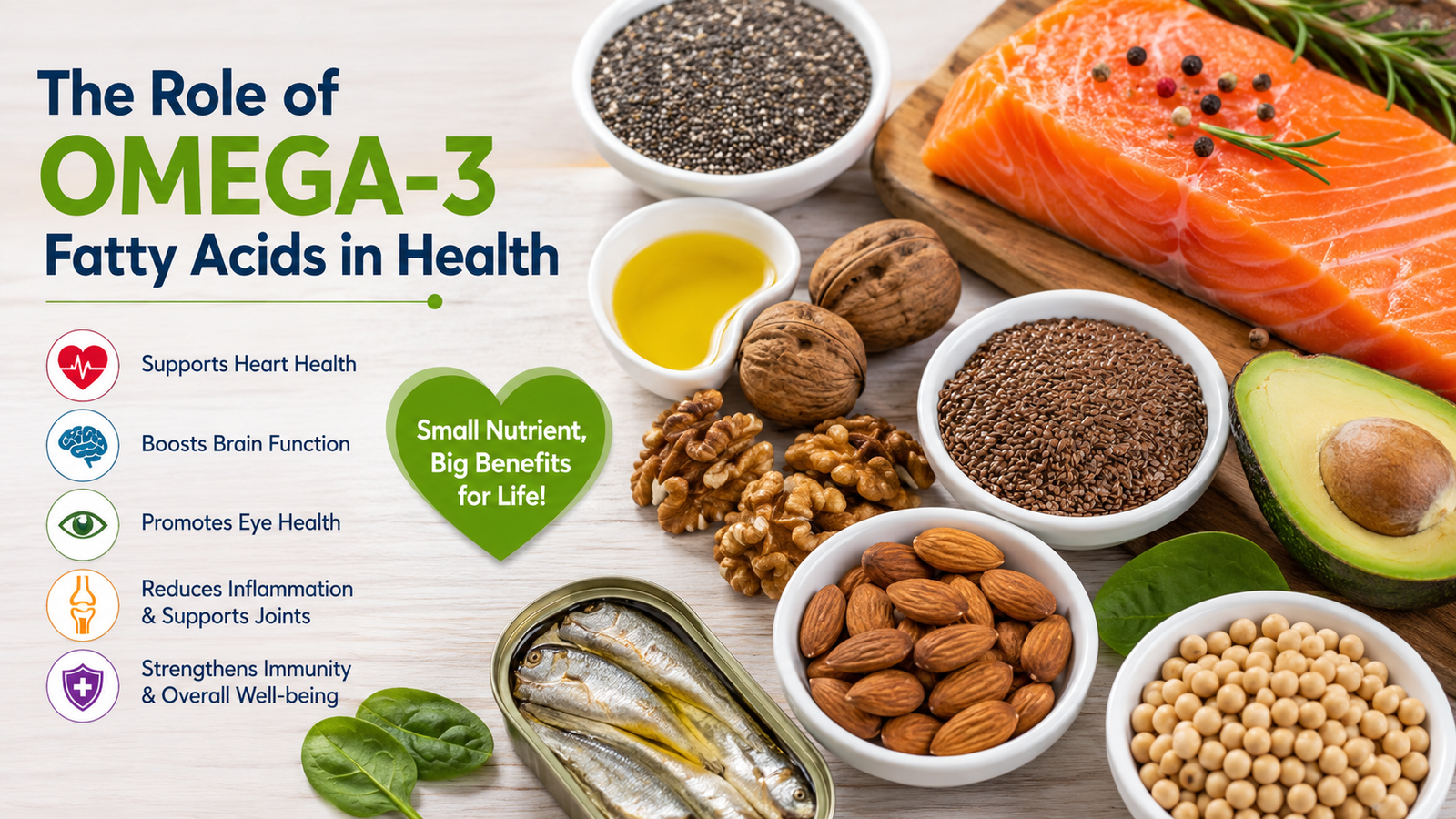
Omega-3 fatty acids are essential nutrients that play a significant role in maintaining overall health. Since the human body cannot produce enough omega-3s on its own, they must be obtained through food or dietary supplements. These healthy fats support the heart, brain, eyes, joints, and immune system, making them an important part of a balanced diet. Including omega-3-rich foods regularly can contribute to long-term wellness and reduce the risk of several health concerns.
What Are Omega-3 Fatty Acids?
Omega-3 fatty acids are a group of healthy polyunsaturated fats that are necessary for many body functions. The three main types include:
- ALA (Alpha-Linolenic Acid): Found mainly in plant-based foods such as flaxseeds, chia seeds, walnuts, and soybeans.
- EPA (Eicosapentaenoic Acid): Primarily found in fatty fish and seafood.
- DHA (Docosahexaenoic Acid): Also found in fish and is especially important for brain and eye health.
Although ALA can be converted into EPA and DHA by the body, the conversion rate is quite low. Therefore, consuming foods rich in EPA and DHA is beneficial.
Supports Heart Health
One of the most recognized benefits of omega-3 fatty acids is their positive impact on heart health. These healthy fats help maintain normal cholesterol levels, support healthy blood circulation, and contribute to balanced blood pressure.
Omega-3s may also reduce inflammation within blood vessels, helping the cardiovascular system function efficiently. Including fish such as salmon, sardines, or mackerel in your meals a few times each week can be a heart-friendly choice.
Promotes Brain Function
The brain contains a high concentration of healthy fats, making omega-3 fatty acids essential for proper brain function. DHA, in particular, supports the structure of brain cells and helps maintain cognitive performance.
Regular intake of omega-3-rich foods may improve memory, concentration, and learning ability. These nutrients are valuable throughout life, from childhood brain development to maintaining mental sharpness in older adults.
Benefits Eye Health
DHA is a major structural component of the retina. Adequate intake of omega-3 fatty acids supports healthy vision and overall eye function.
People who consume sufficient omega-3s may help maintain eye comfort and reduce the likelihood of certain age-related vision problems. A balanced diet that includes omega-3-rich foods contributes to long-term eye wellness.
Helps Reduce Inflammation
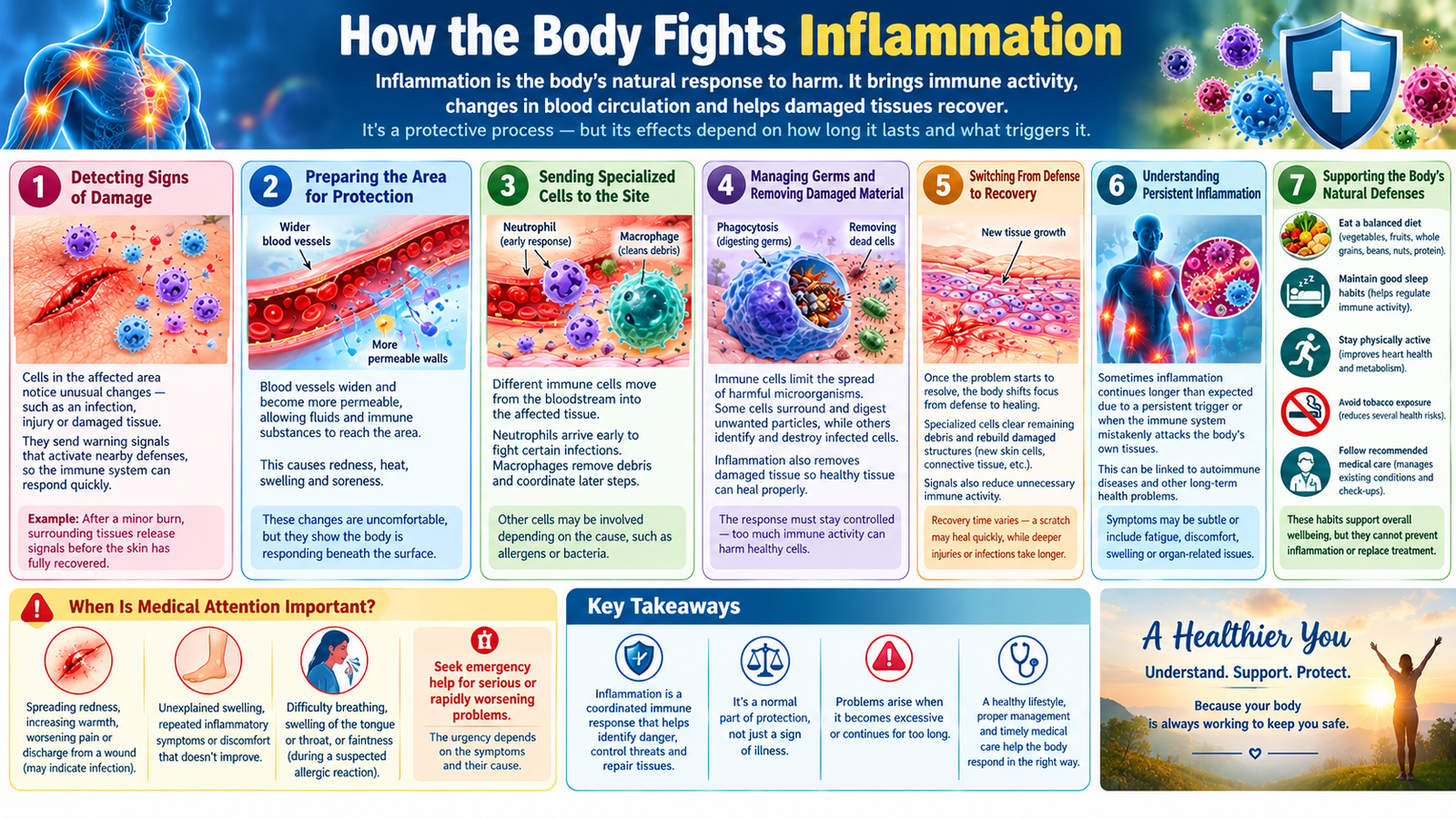
Inflammation is the body’s natural response to injury or infection. However, long-term inflammation may contribute to various chronic health conditions.
Omega-3 fatty acids help regulate the body’s inflammatory response. This may benefit individuals experiencing joint discomfort or stiffness by supporting healthier joint function and flexibility when combined with an active lifestyle.
Supports Mental Well-Being
Nutrition plays an important role in emotional health. Omega-3 fatty acids contribute to normal brain communication and may help support a balanced mood.
While omega-3s are not a replacement for professional treatment when needed, maintaining adequate intake as part of a healthy diet may contribute to better emotional well-being and overall mental health.
Important During Pregnancy and Childhood
Omega-3 fatty acids, particularly DHA, are essential during pregnancy and early childhood because they support healthy brain and eye development.
Expectant mothers are often encouraged to consume safe, omega-3-rich foods as recommended by healthcare professionals. During childhood, these nutrients continue supporting healthy growth and cognitive development.
Natural Sources of Omega-3
Adding omega-3-rich foods to your daily meals is one of the best ways to meet your nutritional needs. Excellent sources include:
- Fatty fish such as salmon, tuna, sardines, and mackerel
- Flaxseeds and flaxseed oil
- Chia seeds
- Walnuts
- Soybeans and tofu
- Hemp seeds
- Fortified foods such as certain eggs, milk, and yogurt
A variety of these foods can help provide both plant-based and marine sources of omega-3 fatty acids.
Tips for Including Omega-3 in Your Diet
Improving your omega-3 intake can be simple with a few healthy habits:
- Include fatty fish in your weekly meal plan.
- Sprinkle chia seeds or flaxseeds over yogurt, cereal, or smoothies.
- Snack on a handful of walnuts instead of processed snacks.
- Choose foods fortified with omega-3 whenever available.
- Prepare balanced meals that include fruits, vegetables, whole grains, and healthy proteins alongside omega-3-rich foods.
Conclusion
Omega-3 fatty acids are essential nutrients that support many important functions throughout the body. From promoting heart and brain health to supporting healthy eyes, joints, and emotional well-being, these healthy fats offer a wide range of benefits. Since the body cannot produce enough omega-3s naturally, including nutrient-rich foods in your daily diet is an excellent way to maintain overall health. Combined with regular exercise, quality sleep, and a balanced lifestyle, omega-3 fatty acids can contribute to better health and improved quality of life for years to come.
Verification Code: Q7M9X2L8R5
Omega 3 is very important for fat loss