Introduction
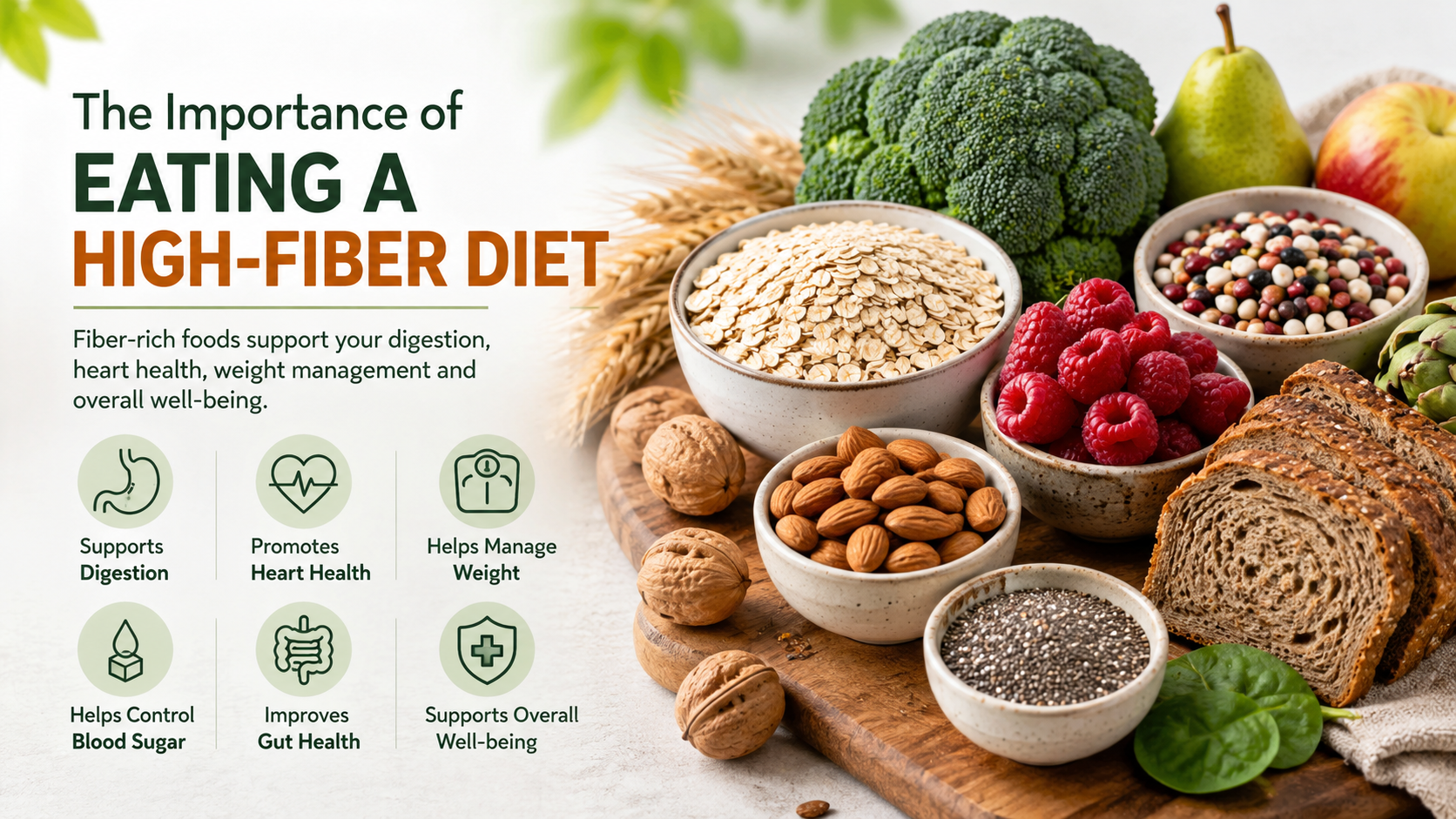
Food provides the energy our body needs, but the quality of what we eat plays an important role in determining our overall health. Among the many nutrients required by the body, dietary fiber is often overlooked despite its significant benefits. Fiber is a natural component found mainly in plant-based foods and supports several essential body functions, especially digestion and metabolism.
A diet rich in fiber can improve digestive health, help maintain a healthy weight, support heart health, and contribute to better blood sugar control. Unlike some nutrients that are quickly absorbed, fiber works differently by helping the body function smoothly over time.
Adding more fiber-rich foods to daily meals is a simple and practical step toward building a healthier lifestyle.
What Is Dietary Fiber?
Dietary fiber is a type of carbohydrate found in plant foods that the body cannot fully digest. Instead of being broken down like sugars and starches, fiber passes through the digestive system and provides various health benefits along the way.
There are two main types of dietary fiber:
Soluble Fiber
Soluble fiber dissolves in water and forms a gel-like substance in the digestive tract. It can help slow digestion, support healthy cholesterol levels, and assist in maintaining balanced blood sugar levels.
Foods rich in soluble fiber include oats, beans, apples, citrus fruits, and certain vegetables.
Insoluble Fiber
Insoluble fiber does not dissolve in water. It adds bulk to stool and helps food move more efficiently through the digestive system.
Sources of insoluble fiber include whole grains, nuts, seeds, and many vegetables.
Both types of fiber are important and work together to support overall wellness.
Why Fiber Is Important for Health
Supports Better Digestion
One of the most well-known benefits of fiber is its positive effect on digestion. Fiber adds structure to food as it moves through the digestive tract, helping maintain regular bowel movements.
A diet with adequate fiber may reduce problems such as constipation and support a healthier digestive system. It also provides nourishment for beneficial gut bacteria, which play an important role in maintaining gut health.
Helps Maintain a Healthy Weight
Fiber-rich foods often create a feeling of fullness after meals. Because they take longer to digest, they can help control hunger and reduce unnecessary snacking.
Including vegetables, fruits, legumes, and whole grains in meals can support better portion control and healthy weight management without extreme dieting.
Supports Heart Health
A high-fiber diet is associated with better heart health. Certain types of fiber can help maintain healthy cholesterol levels by reducing the absorption of some fats in the digestive system.
Along with regular physical activity and a balanced diet, adequate fiber intake can be part of a heart-friendly lifestyle.
Helps Control Blood Sugar Levels
Fiber slows the digestion and absorption of carbohydrates, which can help prevent sudden increases in blood sugar after meals.
For individuals managing blood sugar levels, choosing high-fiber foods can support more balanced energy and better nutritional habits. However, dietary changes should always be discussed with a healthcare professional when managing medical conditions.
Improves Gut Health
The digestive system contains millions of beneficial bacteria that influence overall health. Certain fibers act as food for these helpful microorganisms, supporting a balanced gut environment.
A healthy gut may contribute to better digestion, improved nutrient absorption, and stronger overall wellness.
Best Sources of Dietary Fiber
Adding a variety of fiber-rich foods makes it easier to meet daily nutritional needs.
Some excellent sources include:
- Fruits such as apples, pears, berries, and oranges.
- Vegetables like carrots, broccoli, spinach, and beans.
- Whole grains such as oats, brown rice, and whole wheat products.
- Legumes including lentils, chickpeas, and kidney beans.
- Nuts and seeds such as almonds, chia seeds, and flaxseeds.
Choosing a combination of these foods provides different types of fiber along with important vitamins and minerals.
Simple Ways to Increase Fiber Intake
Increasing fiber consumption should be done gradually to allow the digestive system to adjust.
Some easy changes include:
- Adding vegetables to every main meal.
- Choosing whole-grain foods instead of refined options.
- Eating fruits with their edible skin when appropriate.
- Including beans or lentils in meals regularly.
- Replacing processed snacks with nuts or fresh fruits.
- Adding seeds to yogurt, smoothies, or meals.
Small improvements made consistently can significantly increase daily fiber intake.
Things to Remember When Increasing Fiber
Although fiber is beneficial, suddenly consuming large amounts may cause bloating or discomfort. It is better to increase intake slowly while drinking enough water.
Water helps fiber move properly through the digestive system. A balanced approach ensures that the body receives the benefits of fiber comfortably.
Fiber and a Balanced Lifestyle
While fiber is important, good health depends on a combination of healthy habits. A nutritious diet should include adequate protein, healthy fats, vitamins, minerals, regular exercise, proper sleep, and stress management.
Fiber works best as part of an overall healthy lifestyle rather than as a single solution for health improvement.
Conclusion
A high-fiber diet is a simple yet powerful way to support long-term health. From improving digestion and supporting heart health to helping manage weight and maintaining balanced blood sugar levels, fiber plays an important role in keeping the body functioning properly.
Adding more fruits, vegetables, whole grains, legumes, nuts, and seeds to daily meals can create lasting positive changes. Healthy eating does not require complicated plans—small choices made every day can build a stronger and healthier future.
Verification Code: HF7Q3XP82LM
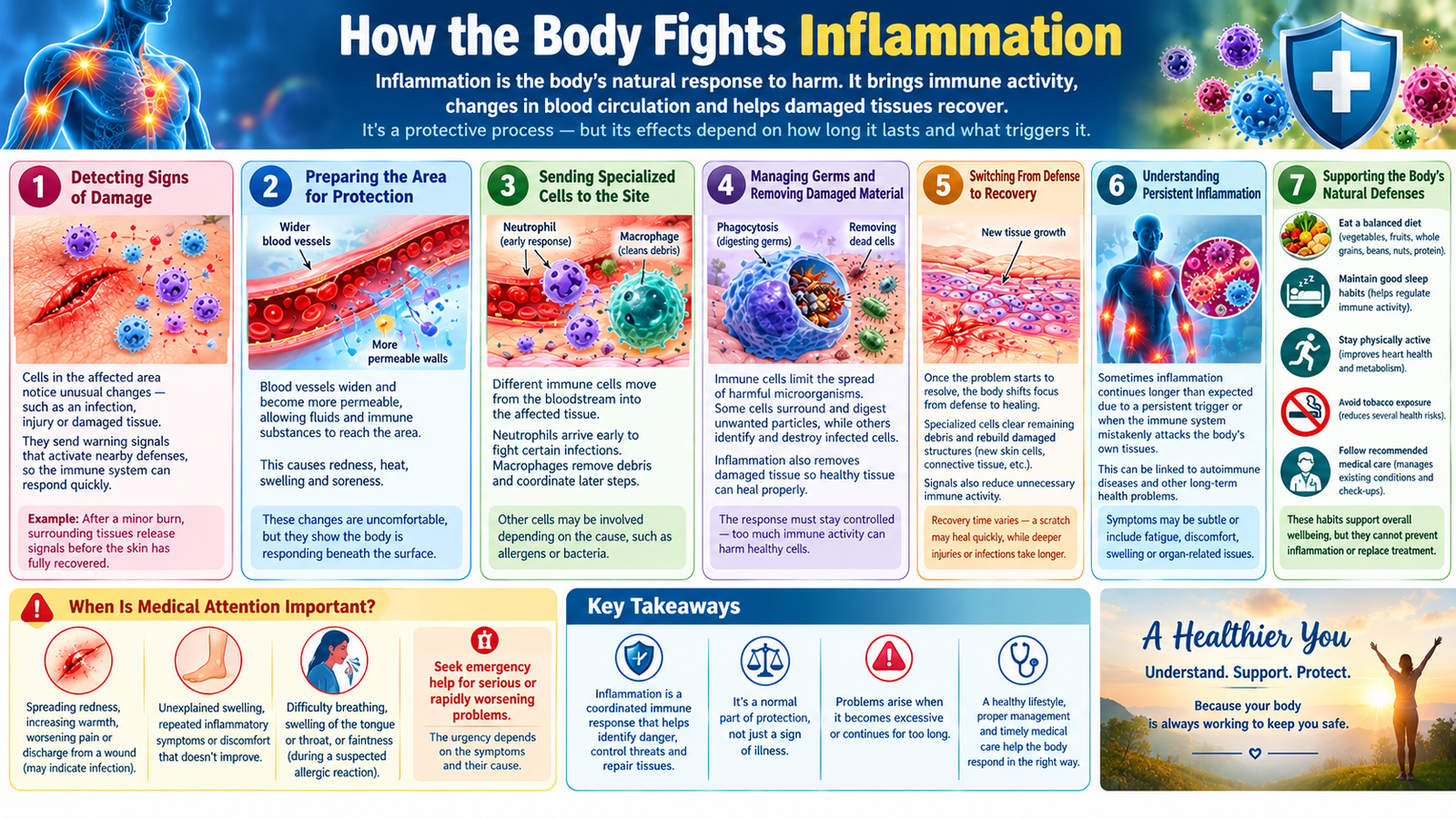
Good message for public
Good message for public for their health and immunity system
Healthy breakfast for productive day is eat which is rich in fiber.And also adding fruits gives you boost
Good information