Introduction
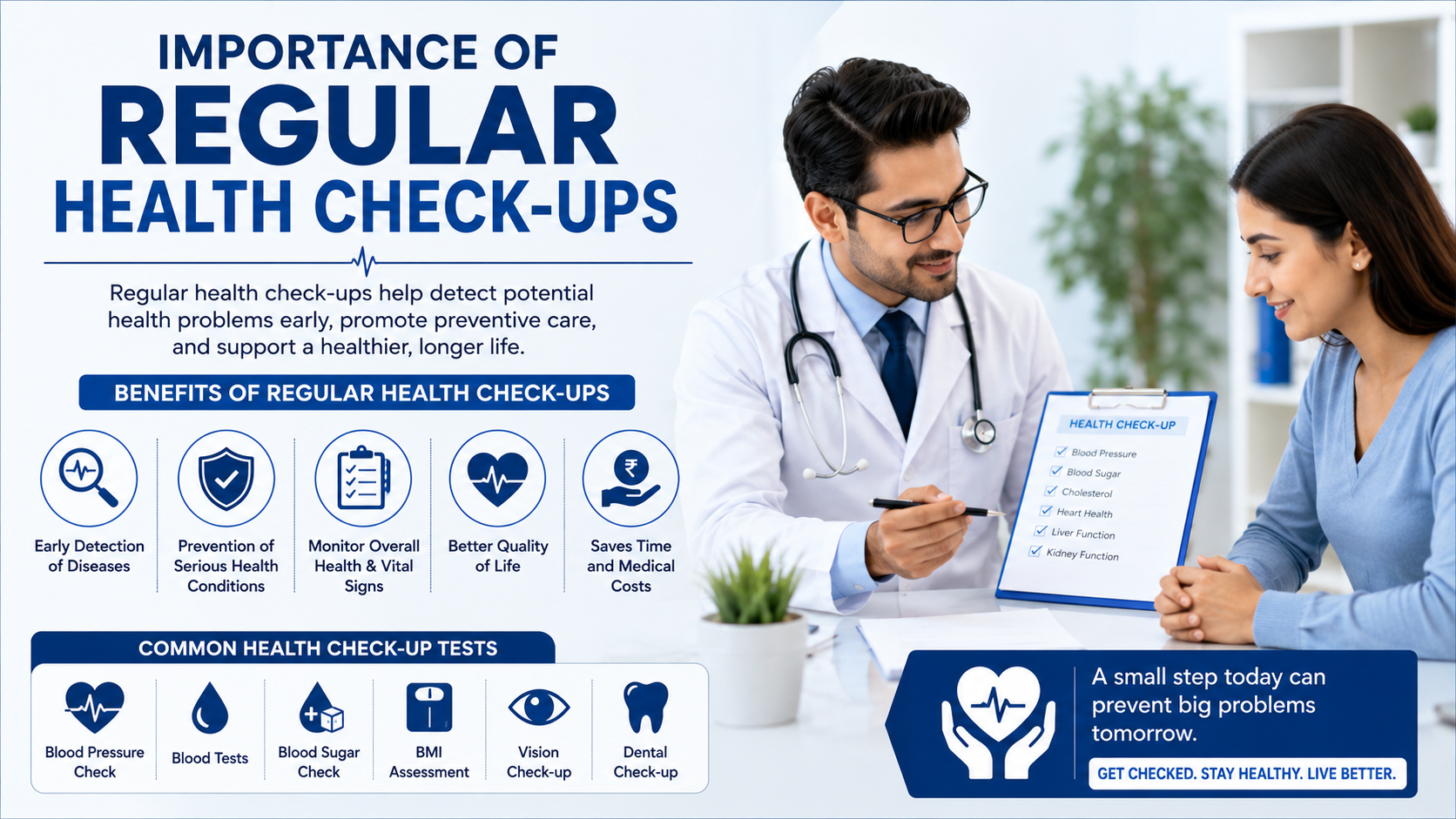
Good health is one of the most valuable assets a person can have. Many people visit a doctor only when they feel sick or experience noticeable symptoms. However, several health conditions develop silently and may not show warning signs until they become serious. Regular health check-ups play a vital role in identifying potential health problems at an early stage, allowing timely treatment and better outcomes.
Preventive healthcare has become increasingly important in today’s fast-paced world. Regular medical examinations help individuals understand their current health status, reduce the risk of chronic diseases, and encourage healthier lifestyle choices. Rather than focusing only on treating illnesses, routine health check-ups emphasize preventing diseases before they become severe.
What Are Regular Health Check-ups?
Regular health check-ups are routine medical examinations performed to evaluate a person’s overall health. These examinations may include physical assessments, blood pressure measurements, blood tests, urine tests, vision checks, dental examinations, and other screenings depending on age, gender, family history, and personal risk factors.
The purpose of these check-ups is not only to diagnose diseases but also to monitor health, identify risk factors, and provide guidance for maintaining long-term well-being.
Why Regular Health Check-ups Are Important
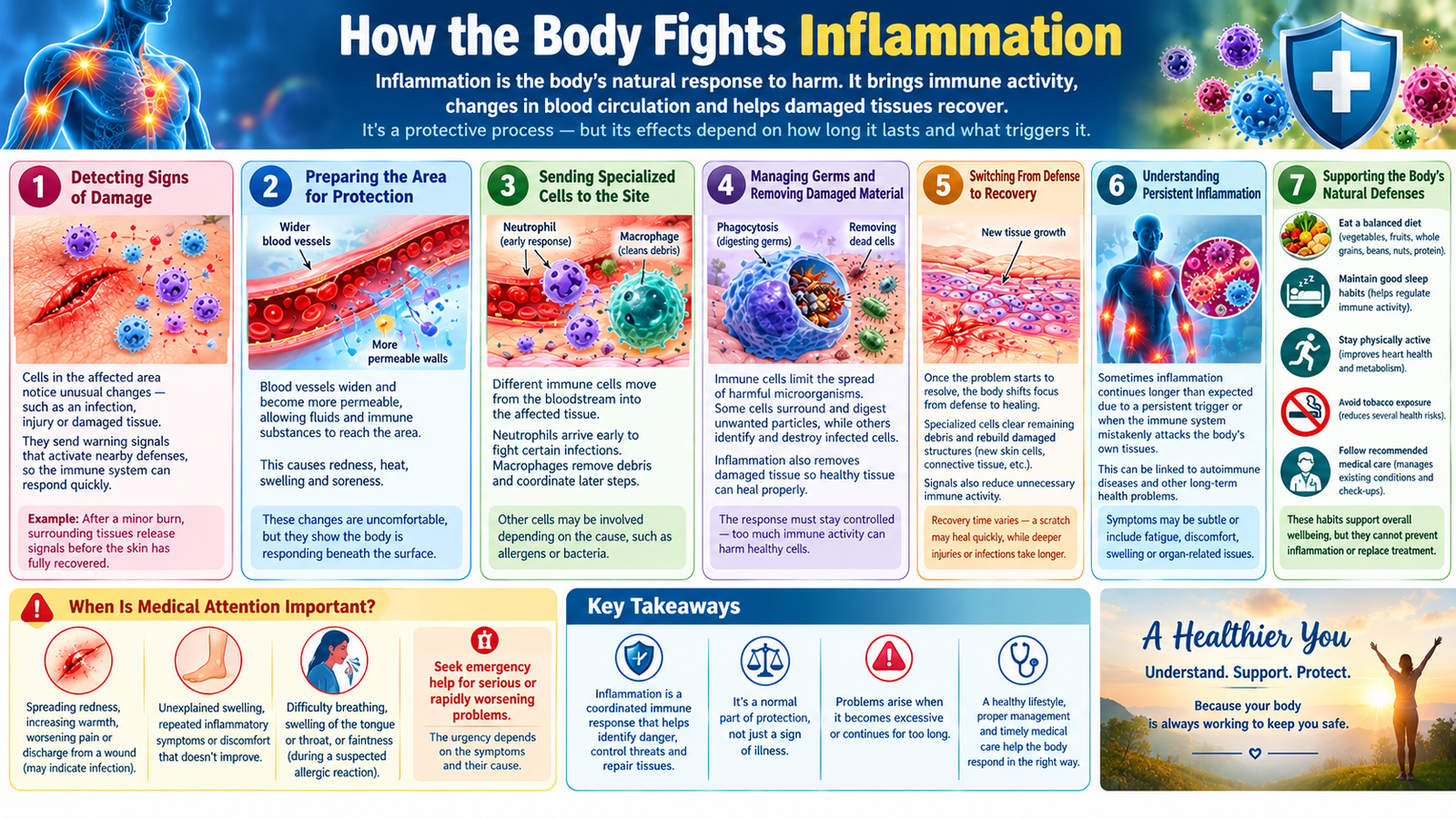
Many serious illnesses develop gradually without causing obvious symptoms. Conditions such as high blood pressure, diabetes, high cholesterol, kidney disease, and certain cancers often remain unnoticed during their early stages. Regular health screenings increase the likelihood of detecting these conditions before complications arise.
Early diagnosis allows healthcare providers to begin treatment sooner, improving recovery rates and reducing the chances of long-term health problems. Preventive care is often less expensive and more effective than treating advanced diseases.
Routine health check-ups also help individuals monitor important health indicators such as body weight, blood sugar levels, cholesterol, blood pressure, and body mass index. Tracking these measurements over time allows people to make informed decisions about their lifestyle and health.
Benefits of Regular Health Check-ups
One of the greatest advantages of routine medical examinations is early detection. Identifying diseases before symptoms appear increases treatment success and may prevent serious complications.
Regular check-ups also encourage healthy habits. Doctors often provide advice on nutrition, physical activity, sleep, stress management, and avoiding harmful habits such as smoking and excessive alcohol consumption. These recommendations help individuals maintain healthier lifestyles.
Another benefit is improved mental well-being. Knowing that one’s health is being monitored regularly provides reassurance and reduces anxiety about undetected illnesses.
Routine medical visits also strengthen communication between patients and healthcare professionals, making it easier to discuss concerns, ask questions, and receive personalized health guidance.
Common Health Screenings
The specific tests performed during health check-ups depend on individual needs, but commonly recommended examinations include:
- Blood pressure measurement.
- Blood sugar testing.
- Cholesterol screening.
- Complete blood count.
- Body weight and body mass index assessment.
- Vision and hearing examinations.
- Dental check-ups.
- Liver and kidney function tests.
- Vaccination reviews.
- Age-appropriate cancer screenings when recommended.
These screenings help detect health problems early and provide valuable information for maintaining good health.
Who Should Have Regular Health Check-ups?
Routine medical examinations are beneficial for people of all ages.
Children require regular health assessments to monitor growth, development, nutrition, and vaccinations.
Teenagers benefit from health education, vision screening, dental care, and guidance on healthy lifestyle choices.
Adults should undergo regular health evaluations to monitor blood pressure, blood sugar, cholesterol, and other important health indicators.
Older adults often require more frequent examinations because the risk of chronic diseases increases with age. Regular monitoring helps manage existing conditions and maintain independence and quality of life.
Individuals with a family history of diabetes, heart disease, hypertension, or certain cancers may require additional screening based on medical advice.
Maintaining Good Health Between Check-ups
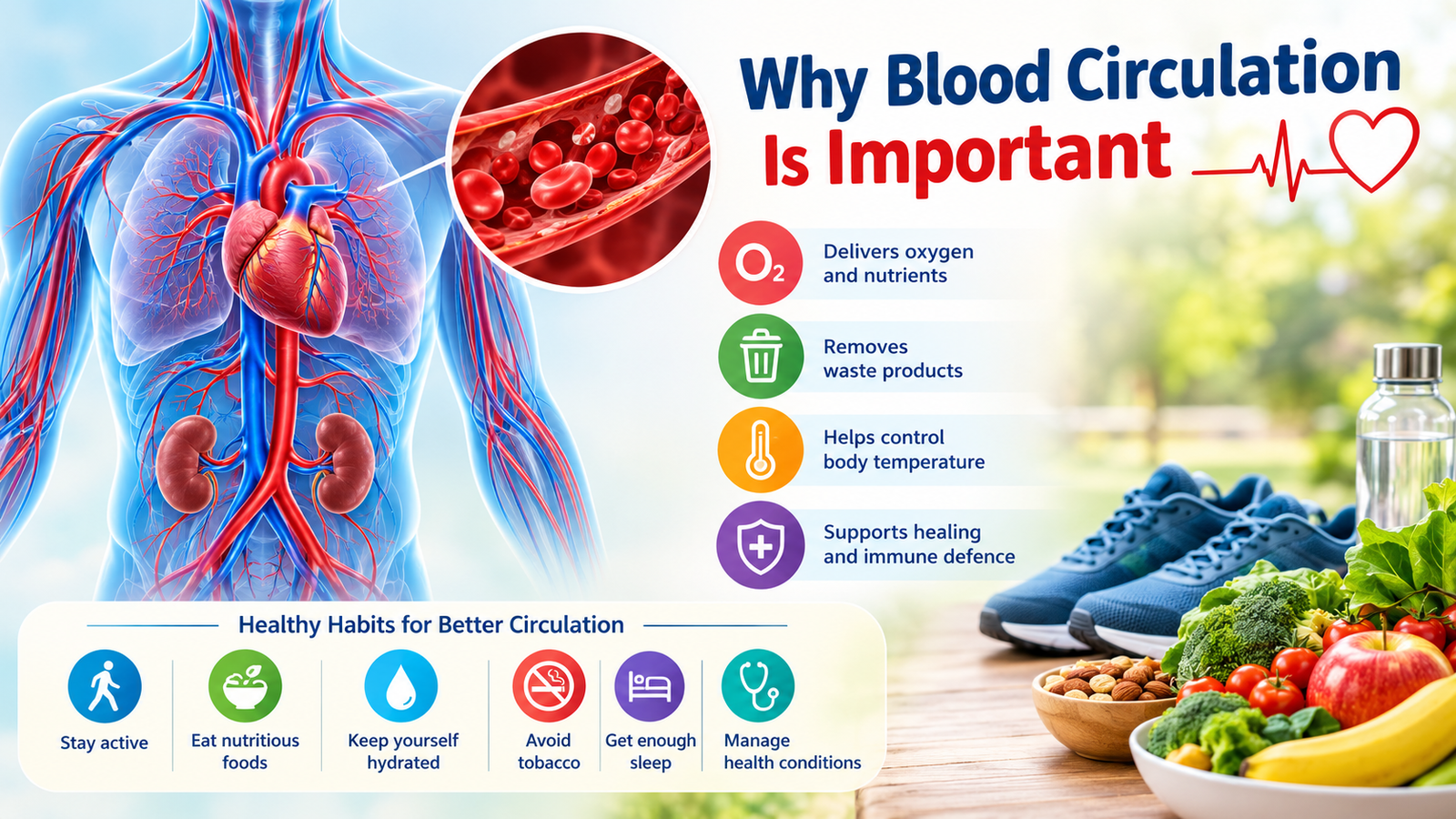
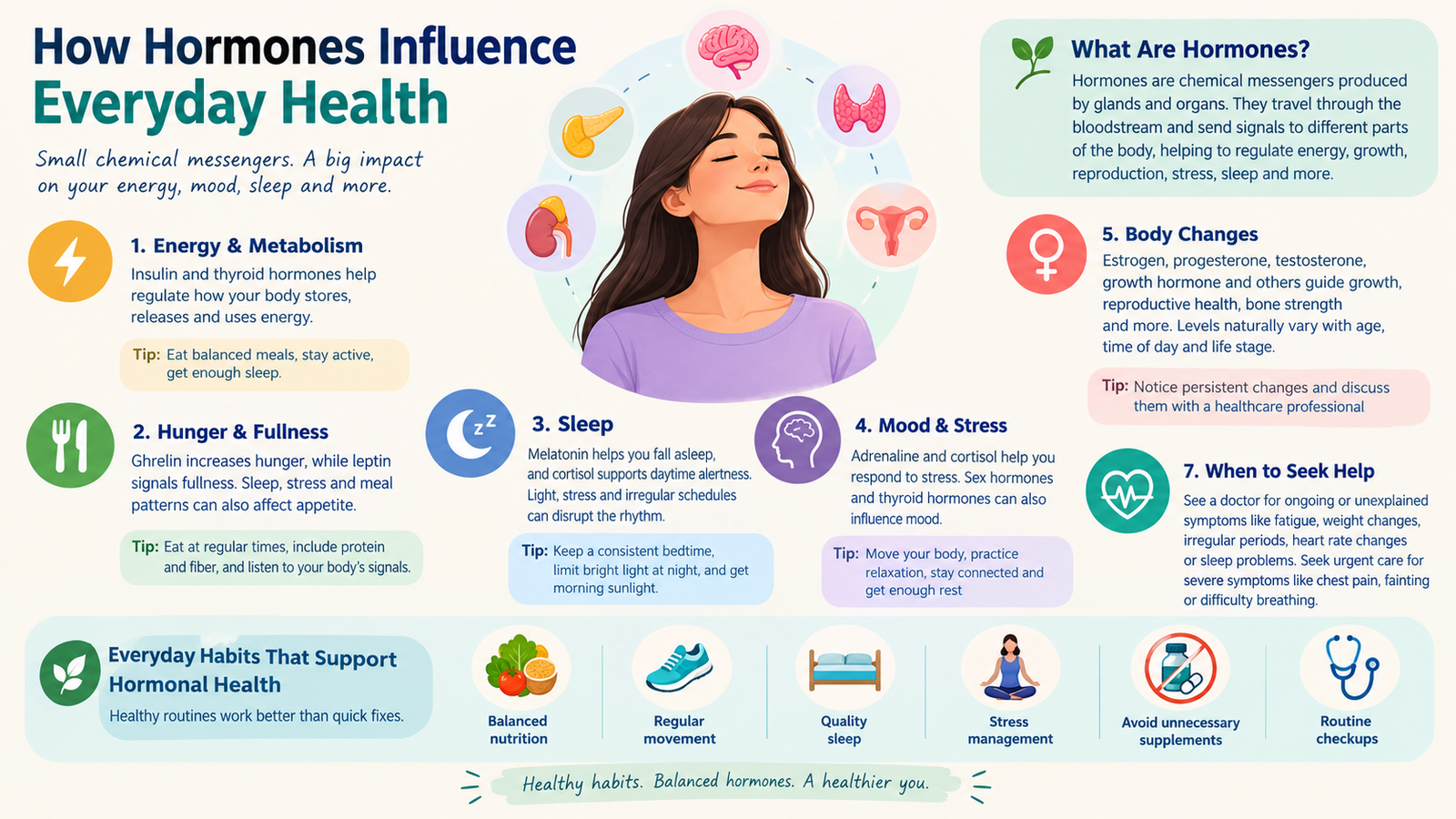
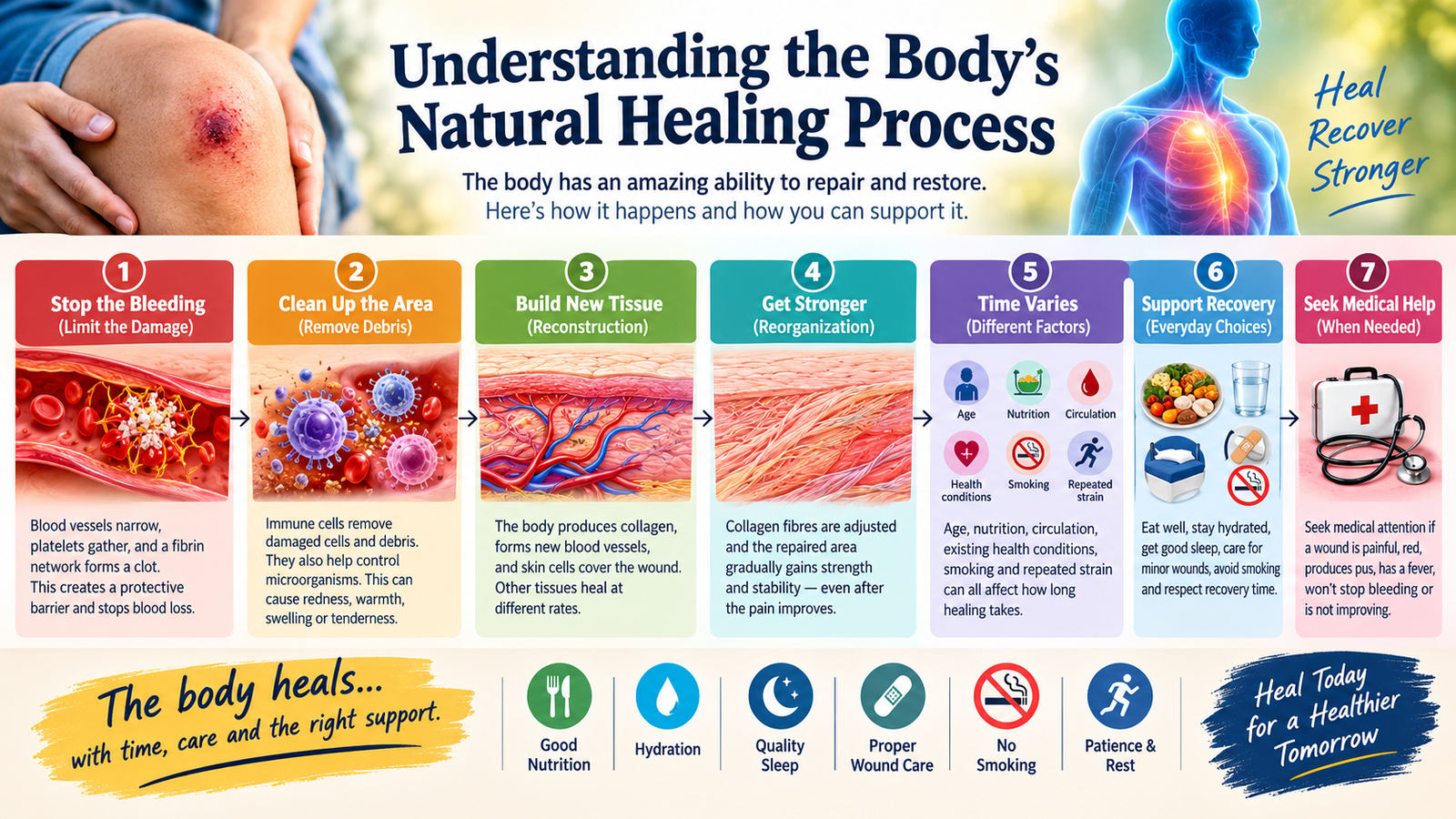
Medical examinations are most effective when combined with healthy daily habits. Maintaining a balanced diet, exercising regularly, getting enough sleep, drinking sufficient water, managing stress, avoiding tobacco products, and limiting alcohol consumption all contribute to better long-term health.
Following medical advice, taking prescribed medications correctly, and attending recommended follow-up appointments further support overall well-being.
Overcoming Common Misconceptions
Many people avoid health check-ups because they believe they are healthy or fear receiving bad news. Others assume routine examinations are unnecessary if no symptoms are present.
In reality, many diseases progress silently during their early stages. Waiting until symptoms develop may delay treatment and increase the risk of complications. Regular check-ups provide valuable opportunities to identify problems early and maintain better health throughout life.
Conclusion
Regular health check-ups are an essential part of preventive healthcare. They help detect diseases early, monitor important health indicators, encourage healthier lifestyle choices, and improve long-term quality of life. Rather than waiting until illness develops, individuals should make routine medical examinations a regular part of their healthcare routine.
Investing time in preventive healthcare today can reduce future health risks, lower medical expenses, and support a healthier, longer, and more active life. Prioritizing regular health check-ups is one of the simplest yet most effective steps toward protecting overall well-being.
Verification Code: HC6P9XT42LM