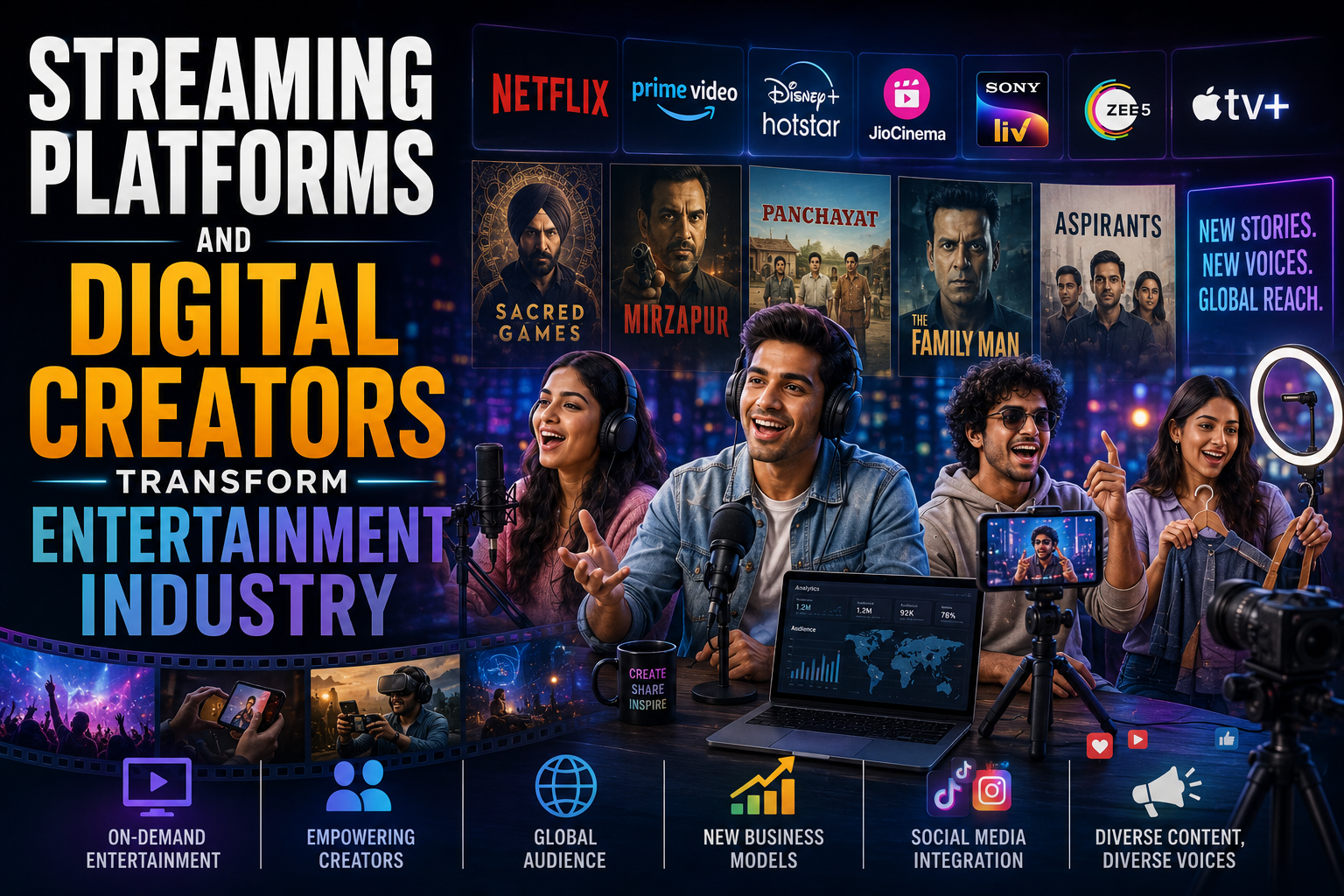
The entertainment industry is undergoing a significant transformation as streaming platforms, digital creators, and evolving audience preferences reshape how content is produced, distributed, and consumed. Industry executives describe the current era as one of rapid innovation and unprecedented competition.
Streaming services have fundamentally altered viewing habits. Audiences increasingly prefer on-demand access to movies, television series, documentaries, and live events. This shift has encouraged production companies to invest heavily in original content designed specifically for digital platforms.
Content creators now have more opportunities than ever before to reach global audiences. Social media platforms and video-sharing services allow independent creators to build substantial followings without relying solely on traditional distribution channels. Many creators have successfully transformed online popularity into sustainable businesses through advertising, sponsorships, and subscription models.
The film industry continues adapting to changing consumer expectations. Studios are experimenting with hybrid release strategies that combine theatrical screenings with digital distribution. While cinema attendance remains important for major blockbuster releases, streaming platforms have become essential components of overall content strategies.
Regional content has experienced remarkable growth. Audiences increasingly seek stories that reflect local cultures, languages, and experiences. Producers have responded by developing diverse content portfolios aimed at both domestic and international viewers. Industry analysts believe this trend will continue driving investment in regional productions.
Music streaming services have also transformed the entertainment landscape. Artists can now distribute music globally with unprecedented efficiency. Data analytics provide valuable insights into listener preferences, enabling more targeted marketing and audience engagement strategies.
Technological advancements are influencing content production methods. Virtual production techniques, advanced visual effects, and artificial intelligence tools are helping creators develop increasingly sophisticated entertainment experiences. Production teams are using digital technologies to improve efficiency and expand creative possibilities.
Brand partnerships have become a major revenue source for entertainment companies and creators. Advertisers increasingly collaborate with influencers, filmmakers, musicians, and digital personalities to reach highly engaged audiences. These partnerships often integrate promotional content directly into entertainment experiences.
Audience engagement remains a top priority for industry participants. Interactive content formats, live-streamed events, fan communities, and personalized recommendations help platforms maintain viewer loyalty in an increasingly competitive environment. Understanding audience behavior has become a critical component of business strategy.
Industry experts expect continued consolidation and collaboration among media companies as organizations seek scale and competitive advantages. Strategic partnerships, content licensing agreements, and international expansion efforts are likely to shape future industry developments.
Despite ongoing changes, the demand for compelling storytelling remains constant. Whether delivered through traditional media, streaming platforms, or emerging digital formats, high-quality content continues to attract audiences worldwide. As technology and consumer preferences evolve, entertainment companies must balance innovation with creativity to remain relevant in a rapidly changing marketplace.