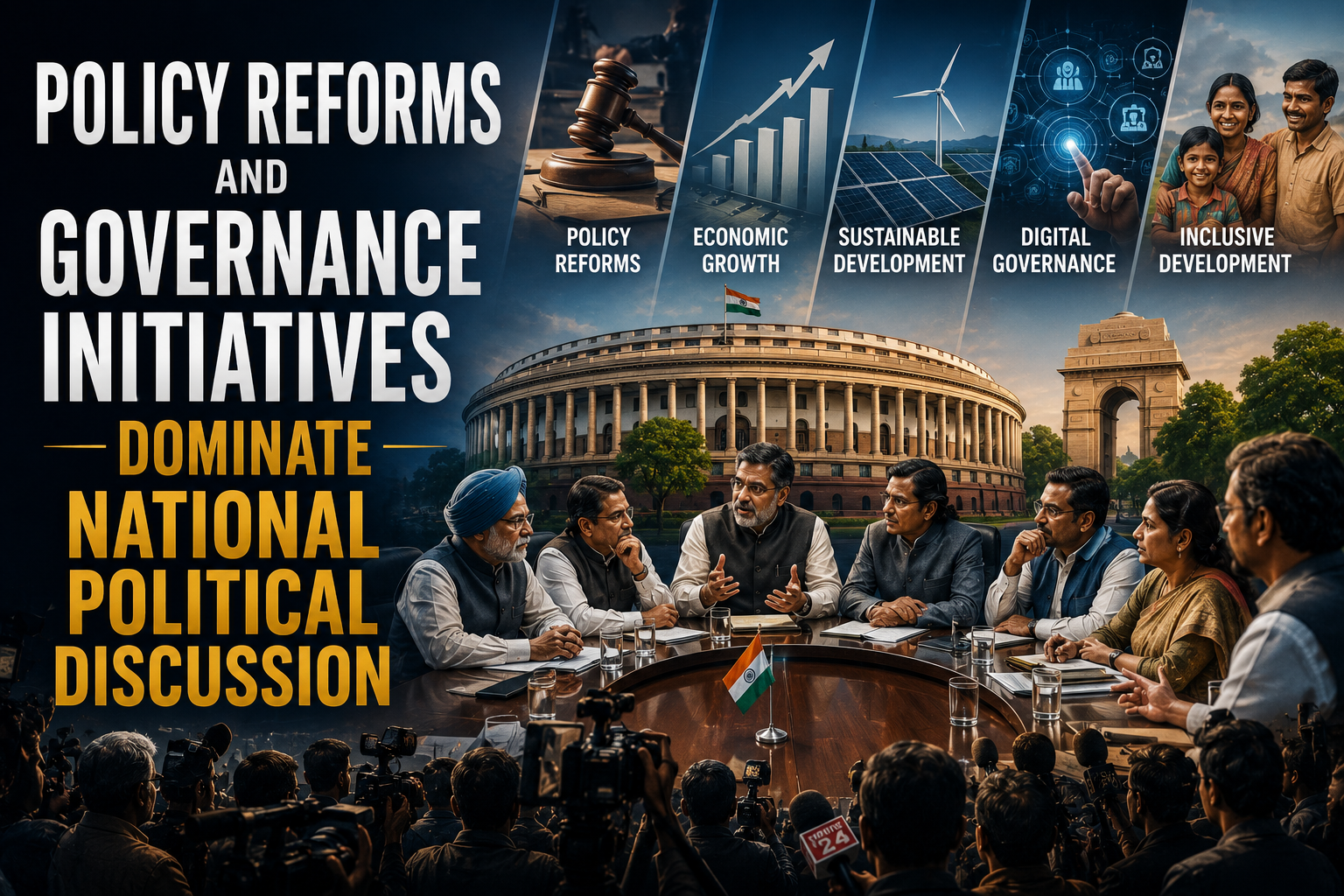
Political discussions across the country continue to focus on governance reforms, economic development strategies, and public welfare initiatives. Leaders from various political parties have intensified efforts to present policy proposals aimed at addressing employment, infrastructure, healthcare, and education challenges.
Government officials have emphasized the importance of long-term planning and institutional modernization. Recent policy announcements have highlighted investments in transportation networks, digital infrastructure, renewable energy projects, and urban development programs. Authorities argue that such initiatives are essential for sustaining economic growth and improving public services.
Opposition parties have called for greater transparency and accountability in policy implementation. Their representatives have urged stronger parliamentary oversight and more detailed public reporting on government projects. Political analysts note that debates surrounding governance effectiveness remain central to public discourse.
Employment generation continues to be a key issue. Policymakers across the political spectrum recognize the need to create opportunities for young people entering the workforce. Discussions have focused on vocational training, entrepreneurship support, industrial development, and technology-driven job creation strategies.
Healthcare reform remains another significant priority. Policymakers are evaluating ways to strengthen healthcare infrastructure, improve access to medical services, and enhance emergency preparedness capabilities. Public health experts have emphasized the importance of balancing accessibility, affordability, and quality of care.
Education policy has also received considerable attention. Stakeholders are discussing curriculum modernization, digital learning initiatives, teacher training programs, and higher education reforms. The growing role of technology in education has prompted new conversations about skills development and workforce readiness.
At the regional level, state governments continue implementing localized development programs tailored to specific economic and social needs. Infrastructure projects, agricultural support measures, and urban planning initiatives vary significantly across regions, reflecting diverse priorities and challenges.
Political communication strategies have evolved considerably in recent years. Social media platforms now play a major role in shaping public engagement and political messaging. Parties increasingly use digital campaigns to reach voters, share policy positions, and gather public feedback.
International relations remain an important component of political discussions. Policymakers are focused on strengthening diplomatic partnerships, promoting trade opportunities, and enhancing cooperation in areas such as technology, security, and climate action. Foreign policy decisions often influence domestic economic and strategic priorities.
Political observers believe that effective implementation will ultimately determine the success of many announced initiatives. Citizens increasingly expect measurable outcomes and tangible improvements in public services. As policymakers continue debating solutions to complex challenges, governance effectiveness is likely to remain a defining issue in national politics.
The coming months are expected to bring further discussions regarding economic reforms, social welfare programs, and institutional modernization efforts. Political leaders across parties acknowledge that addressing public concerns requires both strategic planning and practical execution.